Top Aluminum Foil Suppliers for Global Buyers?

Global buyers rarely choose aluminum foil by price alone. Thickness, alloy, temper, surface finish, and packaging can affect production results. A reliable aluminum foil supplier should explain these details clearly, not hide them behind broad product claims.

This guide introduces leading suppliers serving food packaging, pharmaceuticals, household products, insulation, and industrial manufacturing. It considers production capacity, export experience, quality systems, and delivery consistency. Buyers should review mill certificates, inspection reports, material specifications, and sample performance before signing large contracts. A foil roll may look flawless under warehouse lighting, yet small pinholes can appear during high-speed packaging. That practical risk deserves attention.

Supplier evaluation is not always simple. Certifications can support trust, but they do not replace independent verification. A company may offer excellent foil while struggling with communication or seasonal lead times. Another supplier may quote less, but use weaker cores or less protective packaging. These details can create waste, delays, and unexpected claims.

The strongest candidates usually provide traceable batches, responsive technical support, stable coating performance, and realistic production schedules. They also understand regional requirements and transportation conditions. Buyers should ask how rolls are protected against moisture, edge damage, and crushing during ocean shipment. Good answers are specific.

No supplier is perfect.

This overview helps global purchasers compare manufacturers with a practical and balanced approach. It focuses on evidence, not impressive promises. Careful verification remains essential, especially when product specifications, order volumes, and delivery destinations differ.
Top Aluminum Foil Suppliers for Global Buyers?

What Defines a Reliable Global Aluminum Foil Supplier?

Top Aluminum Foil Suppliers for Global Buyers

A reliable global aluminum foil supplier begins with consistent material control. Experienced suppliers document alloy grades, temper, thickness, width, and surface finish for every order. They should provide clear technical data, inspection records, and certificates of analysis. These details matter when foil enters food packaging, insulation, pharmaceutical, or industrial production.

Ask how the supplier manages thickness variation, pinholes, wrinkles, and edge damage. Quality teams should use calibrated gauges and defined sampling plans. Independent laboratory testing can strengthen confidence, especially for safety-sensitive applications. Traceability is equally important. Each coil should connect to a production batch, inspection result, and shipping document.

Real expertise appears in practical answers.

A dependable supplier explains minimum order quantities, lead times, pallet protection, and moisture control without hiding limitations. Communication should remain accurate when prices, port schedules, or specifications change. A factory audit, video inspection, or pre-shipment check can reveal more than polished marketing materials. Still, no supplier performs perfectly. Test samples may expose weaknesses that documents miss, and buyers should record those findings honestly. Claims of “zero defects” deserve careful questions, not automatic trust. Reliable cooperation grows through measurable standards, transparent corrections, and repeatable delivery performance across different markets.

Top Aluminum Foil Suppliers for Global Buyers?

What Defines a Reliable Global Aluminum Foil Supplier?

A reliable global aluminum foil supplier should be evaluated through measurable procurement factors rather than price alone. This practical scorecard gives the greatest weight to product consistency, delivery performance, compliance, and traceability. The percentages represent suggested buyer-evaluation weights, not company or market-share data.

Key Aluminum Foil Products and Industry Specifications

Top Aluminum Foil Suppliers for Global Buyers?

Key Aluminum Foil Products and Industry Specifications

Aluminum foil selection starts with the application, not catalogue language. Packaging converters commonly compare alloy, temper, thickness, width, and surface finish. Alloy 8011 suits many food and household applications, while 1235 offers high purity and excellent formability. Pharmaceutical lidding may require tighter pinhole control and a coated surface. Typical thicknesses range from 6 to 200 microns, but the correct value depends on barrier, stiffness, and forming depth. Temper designations such as O, H18, and H22 indicate different strength and flexibility. A reliable supplier should provide mill certificates, inspection reports, and traceable batch numbers. Ask for actual tolerance data, not only nominal dimensions.

Industry specifications must match the destination market and end use. Buyers may reference ASTM, EN, ISO, or agreed internal standards. Important checks include tensile strength, elongation, coating weight, wetting, bond strength, and pinhole counts. For heat-sealable foil, seal initiation temperature and sealing-window results deserve attention. Food-contact documentation should identify the substrate, coatings, inks, and test conditions. In my experience, sample approval is safer when rolls are tested under production speed. Laboratory results can look excellent, yet wrinkles may appear during converting. That gap is easy to underestimate.

Tips: Request three production samples with identical specifications. Measure thickness at several points across the web. Photograph core labels and outer packaging. Confirm roll direction, joint limits, and moisture protection before shipment. Keep one retained sample for later comparison. Small details matter. A missing tolerance can become a costly dispute.

How to Evaluate Supplier Quality, Capacity, and Certifications

Choosing top aluminum foil suppliers requires more than comparing price lists. Buyers should inspect alloy grades, thickness tolerance, surface finish, and pinhole control. Ask for recent inspection reports, not generic product sheets. A reliable supplier can explain how operators test every production lot.

Capacity must match your purchasing schedule. Request monthly output, available rolling lines, standard coil widths, and realistic lead times. Check whether the supplier can maintain quality during peak orders. Production records should show stable thickness, tensile strength, and elongation across several batches. Small details matter. A delayed shipment can stop packaging lines.

Certifications also need careful verification. Review the certificate number, issuing body, validity period, and covered production site. ISO 9001 supports process control, but it does not guarantee perfect foil. For food-contact applications, request the applicable compliance documents and batch-level declarations. Traceability should connect each coil to raw material records and test results. I once trusted a polished audit file too quickly. The factory passed the document review, yet its warehouse controls were weaker than expected. A physical visit revealed exposed edges, unclear labels, and inconsistent humidity records. Supplier evaluation should include sample testing, reference checks, and a written corrective-action process. Leave room for doubt. Even experienced buyers can miss a recurring defect hidden by a small sample.

Comparing Pricing, Customization, and International Shipping Options

Global buyers should compare aluminum foil suppliers through landed cost, not the quoted roll price. Ask for alloy grade, temper, thickness tolerance, roll weight, core size, and packaging details. An attractive offer may exclude tooling, inspection, inland delivery, or export documentation. Request a written quotation. Prices can follow aluminum market changes and order volume, so confirm the quotation’s validity period. A clear supplier should explain each adjustment instead of hiding it in small print.

Customization may include thickness, width, surface finish, slit width, roll diameter, and printed or neutral packaging. Experienced suppliers should provide technical data, production samples, and inspection records before mass production. Check whether the sample matches the actual factory process. One overlooked detail is edge quality; rough edges can damage packing equipment and slow production. Small errors matter. Buyers should also confirm minimum order quantities, replacement policies, and approval procedures for future changes. Specifications written from memory are risky.

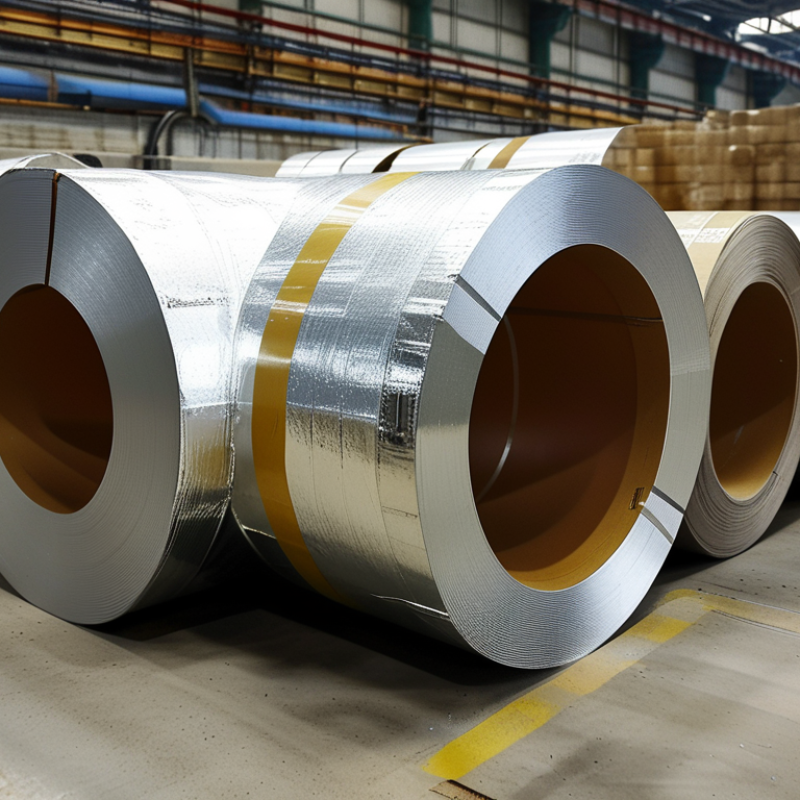
International shipping requires more than a freight estimate. Compare port options, container loading plans, moisture protection, pallet design, export documents, and delivery terms. Ask how the supplier handles delays, damaged rolls, customs questions, and insurance claims. A reliable supplier can share recent shipping experience without promising impossible delivery dates. In practice, communication is rarely perfect, even with capable factories. Time-zone gaps and unclear translations can create costly misunderstandings. Written confirmations, pre-shipment photos, and independent inspections reduce that risk, although they cannot remove it entirely.

Steps for Selecting the Best Aluminum Foil Supplier for Your Market

Top Aluminum Foil Suppliers for Global Buyers

Steps for Selecting the Best Aluminum Foil Supplier for Your Market

Selecting an aluminum foil supplier starts with your market’s exact requirements. Define alloy, temper, thickness, width, roll diameter, and surface finish before requesting quotations. Food, pharmaceutical, household, and industrial uses may require different documentation and quality controls. Small details matter.

Ask suppliers for technical datasheets, batch records, inspection reports, and relevant safety certifications. Check whether their testing equipment measures thickness, tensile strength, pinholes, and surface defects consistently. Request samples from current production, not specially prepared material. Compare them under real conditions, including bending, sealing, printing, or heat exposure.

Look beyond the lowest price. Review minimum order quantities, production capacity, lead times, export experience, packaging quality, and transport options. A reliable supplier should explain tolerances clearly and respond with specific answers. Video audits or factory visits can reveal storage problems, damaged cores, or weak moisture protection. I once treated fast replies as proof of reliability; that was a mistake. Performance records matter more than polished sales language.

Use a written supplier scorecard. Weight quality, compliance, delivery, communication, and total landed cost according to your market. Clarify payment terms, claim procedures, replacement policies, and change-control requirements before signing. Keep a trial order separate from long-term approval. It may expose hidden issues. Recheck supplier performance after several shipments, because one successful delivery cannot prove lasting consistency.