10 Essential Tips for Using Industrial Aluminum Foil Effectively?
Industrial aluminum foil is a versatile material that finds use in various sectors, from food packaging to insulation. According to Dr. Emily Roth, an expert in materials science, "The effective use of industrial aluminum foil is crucial for enhancing efficiency and sustainability in many applications." Her insights highlight the importance of understanding its unique properties.
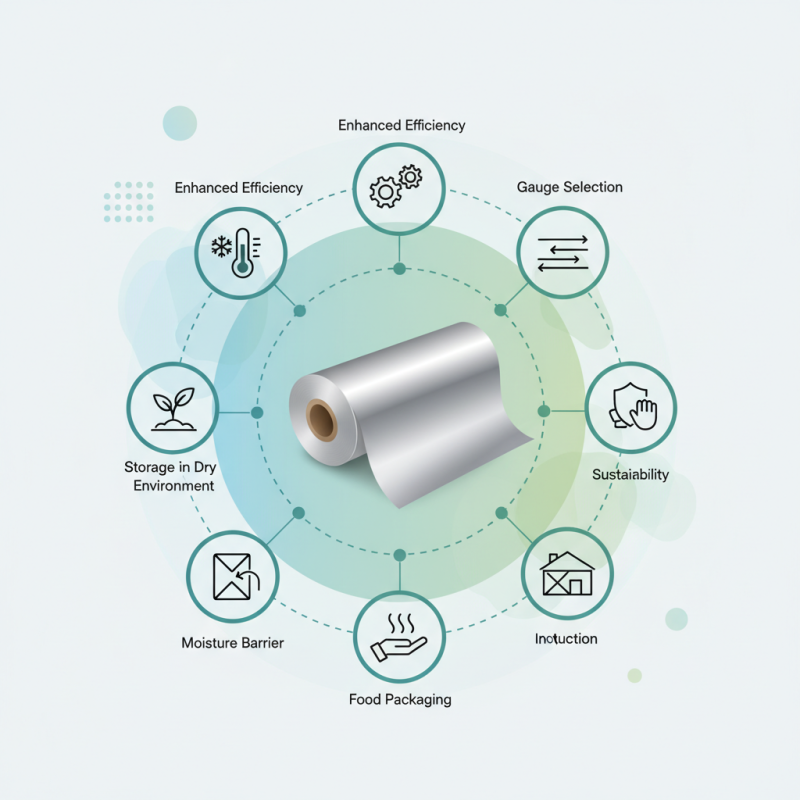
Using industrial aluminum foil effectively requires knowledge and careful consideration. Improper usage can lead to waste and reduced functionality. For instance, the gauge of the foil matters significantly. Thicker foils are suitable for heavy-duty applications, while thinner variants are ideal for lighter needs. Many overlook this aspect, leading to suboptimal results.
Another vital tip involves storage. Keeping industrial aluminum foil in a dry environment is essential to maintain its integrity. Many users fail to observe proper storage conditions, which can detrimentally affect performance. Implementing these strategies not only maximizes the utility of industrial aluminum foil but also contributes to more sustainable practices across industries. The journey of mastering its use is ongoing, but the benefits are clear for those willing to adapt.
Understanding the Composition and Properties of Industrial Aluminum Foil
Industrial aluminum foil is renowned for its versatility. Its composition mainly consists of aluminum, which is lightweight yet strong. The unique properties of aluminum foil include excellent thermal conductivity, malleability, and resistance to moisture. This makes it an essential material in numerous industries. However, understanding its characteristics is crucial for effective usage.
When using aluminum foil, ensure you select the right thickness. Thin foils are better for food wrapping, while thicker options provide superior insulation. Always remember to cut it cleanly to avoid waste. One tip is to avoid direct contact with acidic foods, as this can lead to reactions that affect flavor. Additionally, the shiny side reflects heat, so position it outward for better thermal efficiency.
Aluminum foil is also recyclable, aligning with sustainability practices. It’s crucial to avoid contamination when recycling. Use it mindfully, as excessive waste can negate its eco-friendly benefits. Learning how to properly use and dispose of aluminum foil can lead to better outcomes and reduce environmental impact.
Identifying the Key Applications of Industrial Aluminum Foil in Various Industries
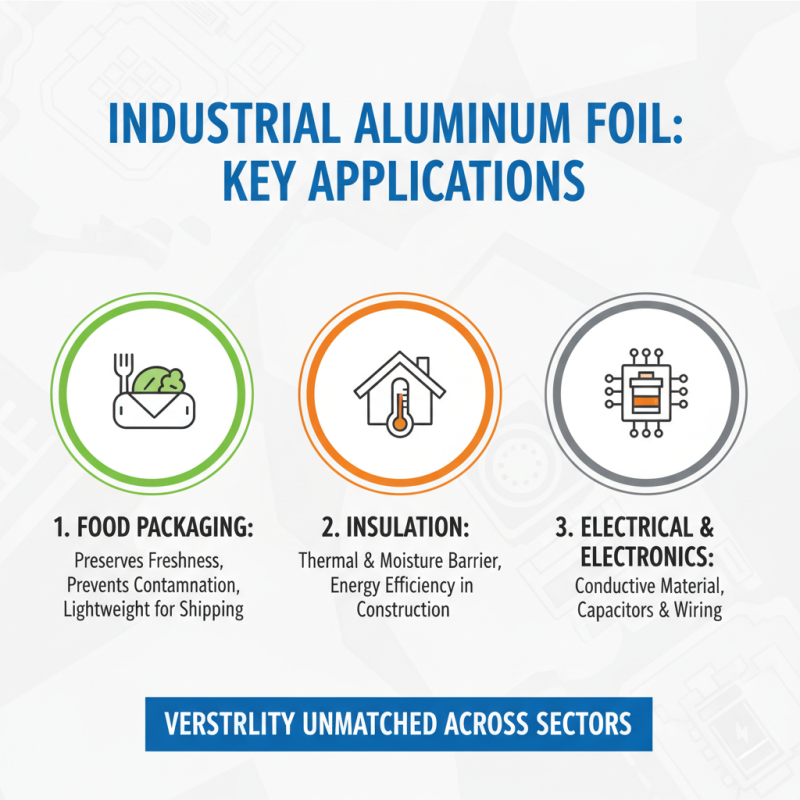
Industrial aluminum foil plays a significant role across various sectors. From food packaging to insulation, its versatility is unmatched. In the food industry, aluminum foil preserves freshness and prevents contamination. Its lightweight nature makes it ideal for shipping while ensuring safety. Restaurants and food manufacturers rely on it for efficient packaging solutions.
In construction, aluminum foil is essential for thermal insulation. It reflects heat, improving energy efficiency in buildings. However, not all applications are straightforward. The foil's thinness can lead to easy tearing, requiring careful handling. Additionally, its conductivity can pose challenges in electrical applications. Users need to understand these characteristics to avoid common pitfalls.
The automotive industry also benefits from aluminum foil. It’s used in soundproofing and thermal management components. However, improper use can compromise performance. Ensuring the right grade of foil for specific applications is crucial. Attention to detail is necessary for optimum results.
Optimal Handling and Storage Techniques for Industrial Aluminum Foil
Proper handling and storage of industrial aluminum foil is essential to maximize its effectiveness. Studies show that foil can degrade if not stored correctly, impacting its durability and usability. For optimal preservation, keep your aluminum foil in a cool, dry environment. Excessive heat and humidity can lead to oxidation, which weakens the material.
Additionally, use airtight containers for storage. This simple practice helps prevent moisture absorption, which can compromise the foil's protective qualities. It's crucial to ensure that the foil rolls are not exposed to sharp objects or heavy weights that could cause creases or tears. These imperfections can lead to improper sealing and potential waste when used in food packaging or insulation tasks.
Research highlights that improper storage can lead to a performance drop by as much as 15% over time. This statistic underlines the importance of careful handling. Training staff on these techniques is critical. Even minor slips in storage practices can lead to significant issues in operational efficiency and product quality. By adhering to these guidelines, industries can greatly enhance the lifespan and functionality of aluminum foil.
Usage of Industrial Aluminum Foil Across Different Industries
Analyzing the Cost-Effectiveness and Sustainability of Aluminum Foil Use
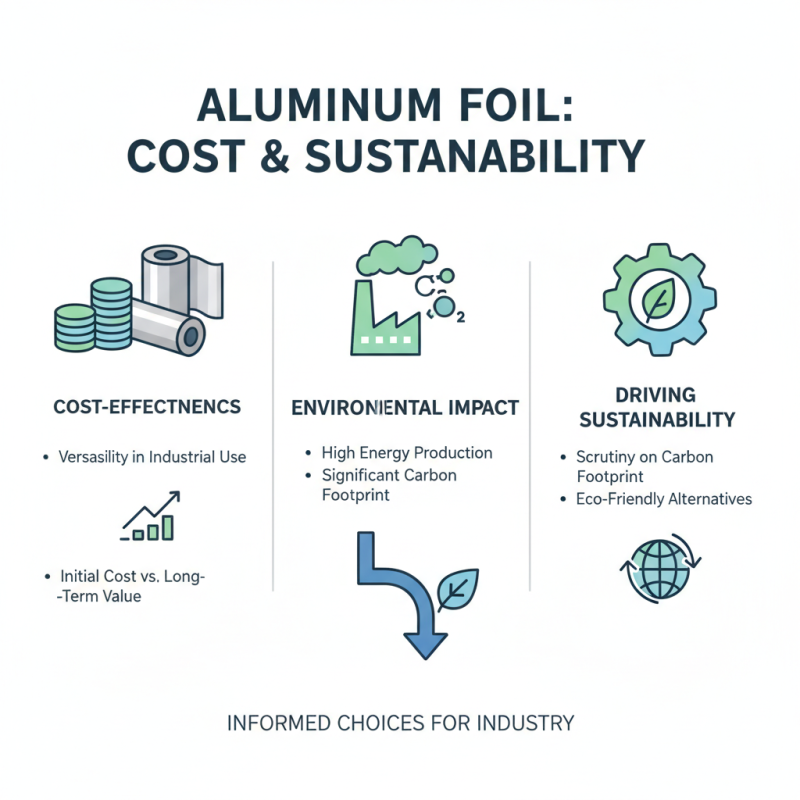
Aluminum foil has gained popularity for its versatility in industrial applications. However, its cost-effectiveness and sustainability are crucial considerations. The production of aluminum foil requires significant energy, which raises environmental concerns. As industries strive for sustainable practices, the carbon footprint of aluminum foil is under scrutiny. Companies should be aware of these environmental impacts when choosing aluminum foil for their operations.
Another factor to consider is recycling. Aluminum foil is recyclable, yet the process can often be mismanaged. Many facilities lack the proper infrastructure to handle foil recycling effectively. This negligence can lead to increased waste and a greater ecological footprint. Educating employees about proper disposal methods can improve recycling rates and enhance sustainability.
Cost is also an important aspect. While aluminum foil can be economical in specific uses, alternatives may prove more efficient in some cases. Businesses must analyze their unique needs. This analysis can lead to better choices, reducing waste and expenses. It's essential to question whether the initial savings justify the long-term environmental impact. Each company must evaluate its role in promoting sustainable practices while managing costs effectively.
Best Practices for Maximizing Thermal Efficiency with Aluminum Foil Packaging
When it comes to using aluminum foil in industrial settings, maximizing thermal efficiency is key. Aluminum foil provides a barrier that helps retain heat, making it an excellent choice for packaging. Ensure that the foil is wrapped tightly around products. This helps eliminate air pockets that can lead to heat loss. Utilize layers of foil when necessary. A thicker barrier can prevent heat from escaping, thus preserving the temperature of the packaged items.
Another effective practice involves understanding foil thickness. Different applications may require varying grades of aluminum foil. Thicker foils are generally more effective for high-temperature conditions, while thinner foils can be adequate for less demanding scenarios. Preheating the product before wrapping can also enhance thermal efficiency. However, this method requires careful monitoring to avoid overheating.
Regularly reviewing packaging processes is essential too. Look for areas where heat loss occurs frequently. Conducting temperature tests during operations can highlight inefficiencies. Reflect on those results and adjust your methods accordingly. Emphasizing thermal efficiency with aluminum foil not only improves product quality but can also lead to significant energy savings over time.