Who Are Chinas Top Industrial Aluminum Foil Suppliers?
China’s industrial aluminum foil sector is large, but naming the “top” suppliers requires more than checking export volume. The International Aluminium Institute’s recent primary aluminium statistics show China producing more than half of the world’s primary aluminium. The USGS Mineral Commodity Summaries 2025 also identifies China as the leading global producer. This scale supports strong rolling capacity, alloy access, and integrated supply chains. It does not automatically prove consistent foil quality.
A reliable supplier comparison should examine thickness control, pinhole rates, tensile strength, surface cleanliness, and batch traceability. For example, a food, battery, or pharmaceutical converter may require foil below 0.01 millimeters, while industrial insulation may prioritize wider rolls and stable temper. China’s National Bureau of Statistics and customs data can help verify production and export trends, but HS codes do not reveal every technical specification. A shipment record is not a quality certificate.
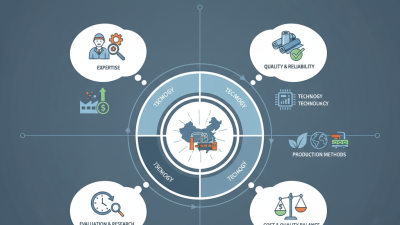
Supplier claims should be checked against ISO 9001 records, third-party inspection reports, mill test certificates, and recent customer references. Leading producers often compete through casting, rolling, slitting, annealing, and packaging capabilities under one system. That integration can reduce delivery risk. Still, it can also hide weaknesses when public data remains limited. No ranking is perfect. A thoughtful review should compare verified capacity, application experience, compliance, lead times, and response quality. The strongest supplier is not always the largest one. It is the company that repeatedly delivers the correct industrial aluminum foil, within tolerance, and with evidence to support every claim.
What Makes a Top Industrial Aluminum Foil Supplier in China?
What Makes a Top Industrial Aluminum Foil Supplier in China?
A top industrial aluminum foil supplier proves consistency, not just production capacity. USGS Mineral Commodity Summaries 2024 estimated China’s primary aluminum output at about 36 million metric tons in 2023. That scale matters, but it does not guarantee reliable foil. Buyers should examine alloy chemistry, temper control, thickness tolerance, tensile strength, and pinhole performance. These details affect heat exchangers, insulation layers, battery components, and packaging lines.
Look for suppliers that provide batch-level certificates of analysis and complete production records. Reliable factories should explain rolling speed, annealing conditions, surface treatment, and inspection frequency. Standards such as ASTM B479 and EN 546 offer useful technical references for industrial foil. Independent audits also strengthen credibility. However, certificates can hide gaps when testing methods differ. Ask for recent test samples, not only polished documents.
Sustainability now requires measurable evidence. The International Aluminium Institute reports that recycled aluminum production uses roughly 5% of the energy required for primary aluminum. A capable supplier should disclose recycled content, electricity sources, scrap controls, and emissions data. Traceability is still imperfect across some supply chains. That weakness deserves honest discussion. Practical experience also matters: a supplier should support trial rolls, respond to defects quickly, and adjust specifications without losing control of quality. Low prices may look attractive, but unstable gauge control can create costly downtime.
China’s Leading Industrial Aluminum Foil Suppliers
China’s leading industrial aluminum foil suppliers are defined by process control, not impressive rankings.
Publicly audited supplier lists remain limited, so buyers should compare evidence carefully. The U.S. Geological Survey reported about 41 million metric tons of primary aluminum production in China in 2023. That large upstream base supports extensive rolling, slitting, annealing, and surface-treatment capacity.
Look beyond catalog claims. Strong suppliers usually provide alloy certificates, thickness tolerances, tensile data, and batch traceability. Common industrial alloys include 8011, 1235, and 3003.
Typical products serve insulation, heat exchangers, cable shielding, battery components, and flexible packaging. The International Aluminium Institute continues to emphasize energy efficiency and recycling as major industry priorities. These factors increasingly influence supplier selection, not only price.
UN Comtrade records under HS 7607 show China as a major aluminum foil trading country. However, export volume does not prove consistent quality. It may reflect varied grades and market segments. Buyers should request mill test reports, coating specifications, core dimensions, and sample-roll inspection results. ISO 9001 certification helps, but it is not a complete guarantee. In practice, production audits often reveal more than certificates. Some suppliers communicate quickly yet handle complaints poorly. That matters. A reliable partner should explain deviations honestly, investigate root causes, and accept reasonable corrective testing.
Key Products and Manufacturing Capabilities of Top Suppliers
China’s leading industrial aluminum foil suppliers are distinguished by product depth, not factory size alone. The USGS Mineral Commodity Summaries 2024 estimated China produced about 41 million metric tons of primary aluminum in 2023. This large upstream base supports competitive foil conversion and stable alloy sourcing. However, capacity figures can be difficult to compare. Some reports combine foil, strip, and rolling output.
Key suppliers typically produce battery foil, capacitor foil, heat-exchanger foil, pharmaceutical foil, and heavy-duty packaging stock. Battery grades often range from 8 to 20 micrometers, requiring tight thickness control and clean surfaces. Capacitor foil demands consistent alloy chemistry and controlled annealing. Heat-exchanger products need precise forming performance. International Aluminium Institute data shows aluminum recycling remains strategically important, so experienced mills increasingly track scrap ratios, energy use, and recycled content.
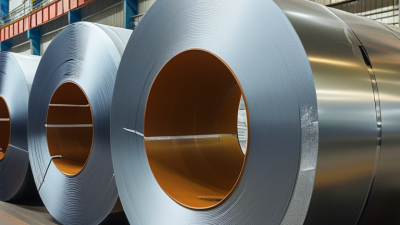
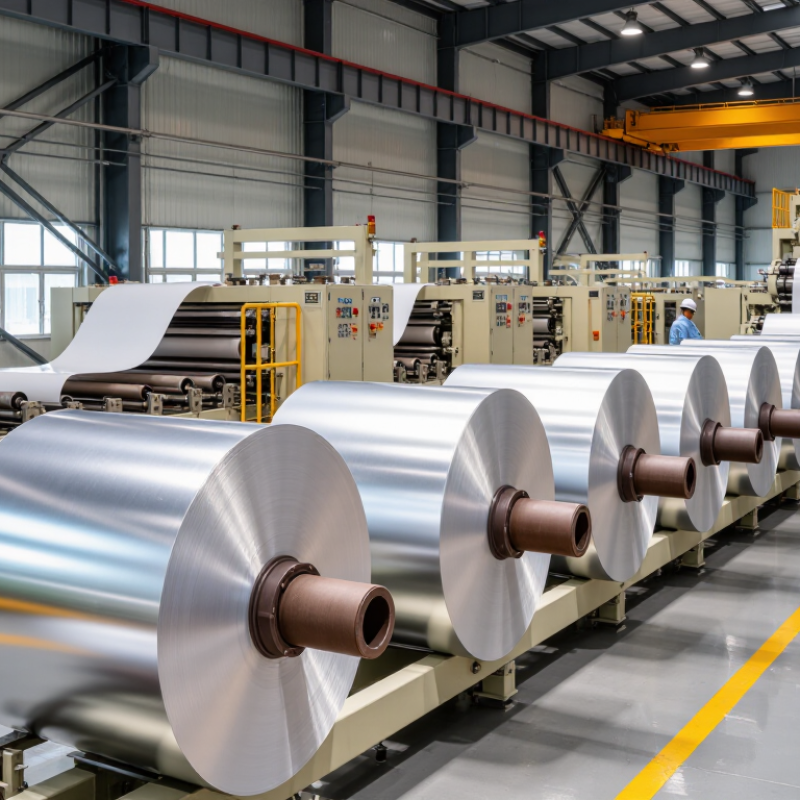
Manufacturing capability usually covers casting, hot rolling, cold rolling, annealing, slitting, surface treatment, and laboratory testing. Advanced plants use online gauges to monitor thickness across every coil. Independent testing may include tensile strength, pinhole inspection, surface cleanliness, and electrical conductivity. China Nonferrous Metals Industry Association reports continued growth in aluminum processing investment, yet technology levels still vary between suppliers. A low quoted price can hide weaker edge quality, inconsistent temper, or limited traceability. Buyers should request batch records, sample coils, and audit evidence before approving production.
Quality Standards, Certifications, and Customization Options
China’s leading industrial aluminum foil suppliers are often separated by quality discipline, not production volume. Experienced buyers inspect alloy grade, temper, thickness tolerance, width control, and surface cleanliness. For industrial use, pinhole counts and tensile strength matter greatly. A foil roll may look bright while failing during forming.
Reliable suppliers usually operate under ISO 9001 quality systems, while some maintain ISO 14001 environmental certification. These certificates should be checked for validity, issuing body, and covered production site. Food, pharmaceutical, and electrical applications may require additional compliance with relevant GB, EN, ASTM, RoHS, or REACH requirements. A certificate alone proves little. Ask for recent inspection reports, certificates of analysis, batch numbers, and traceability records. Independent testing can expose gaps that factory paperwork misses.
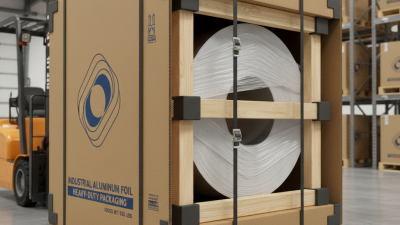
Customization is another practical difference. Buyers may request alloys such as 1235 or 8011, specific tempers, narrow thickness ranges, embossed surfaces, coated finishes, or slit widths. Packaging can include moisture barriers, wooden cases, and marked roll identification. Clear drawings prevent expensive mistakes. Still, customization has limits. A supplier may promise tighter tolerance before checking its equipment. Trial orders, sample approval, and production-stage inspections reduce that risk. I have found that communication records are almost as important as technical data, because small changes in core size or winding tension can affect the final application.
How to Compare and Select the Right Chinese Supplier
Choosing among China’s industrial aluminum foil suppliers requires more than comparing quotations. The International Aluminium Institute reported that China produced about 41.6 million tonnes of primary aluminum in 2023, nearly 60% of global output. That scale creates choice, but it does not guarantee consistent foil quality. A supplier should prove its capability with alloy certificates, rolling records, thickness data, and batch traceability.
Compare suppliers against the same specification. Check alloy, temper, thickness tolerance, width tolerance, tensile strength, surface finish, pinholes, and edge quality. For heavy-duty applications, request samples from separate production lots, not one carefully selected roll. ASTM B479 and relevant EN requirements can guide inspection, while ISO 9001 certification supports process control but does not replace product testing. Ask for recent laboratory reports, calibration records, and corrective-action examples. Small details matter. Core alignment matters.
Cost deserves careful interpretation. The World Bank’s commodity data shows that aluminum prices fluctuate with energy, supply, and regional demand, so a low quotation may reflect timing rather than superior efficiency. Request a full landed-cost comparison, including packaging, export documentation, inspection, and rejected-roll handling. A factory video can look convincing. It can also hide weak maintenance or inconsistent slitting. Independent pre-shipment inspection is useful, especially for a first order. Review communication speed, complaint handling, minimum order quantities, and realistic lead times. Do not accept vague promises. Require measurable acceptance criteria in the purchase contract. Mistakes still happen, even with experienced suppliers; the strongest partner is the one that documents them and improves the process.