Choosing the right aluminum container supplier involves more than comparing prices on a spreadsheet. Material quality, forming accuracy, surface finish, and delivery consistency can affect every production batch. A reliable partner should provide clear specifications, sample approvals, traceable materials, and practical support after the order ships.
This guide examines ten leading aluminum container suppliers worldwide through procurement-focused criteria. These include manufacturing capacity, quality-control procedures, customization options, minimum order quantities, export experience, and documented compliance for intended applications. Details such as rim uniformity, wall thickness, lid fit, and resistance to dents deserve attention. Small defects can create filling delays or damage a brand’s appearance.
No ranking remains perfect forever. Markets change, factories expand, and lead times can shift unexpectedly. That matters. The selected companies are presented as strong options, not universal winners. Buyers should still verify current certificates, production samples, testing records, and shipping terms before committing. A supplier that performs well for food packaging may not suit cosmetics, laboratory products, or other specialized uses. Clear communication is essential.
The goal is practical guidance. Readers can compare suppliers with greater confidence and identify questions worth asking before signing a contract. This includes checking recycled aluminum content, packaging protection, quality claims, and response times. A dependable aluminum container partner should offer more than attractive catalog images. It should provide evidence, consistency, and a realistic understanding of production limits. Mistakes happen, but transparent suppliers address them quickly.
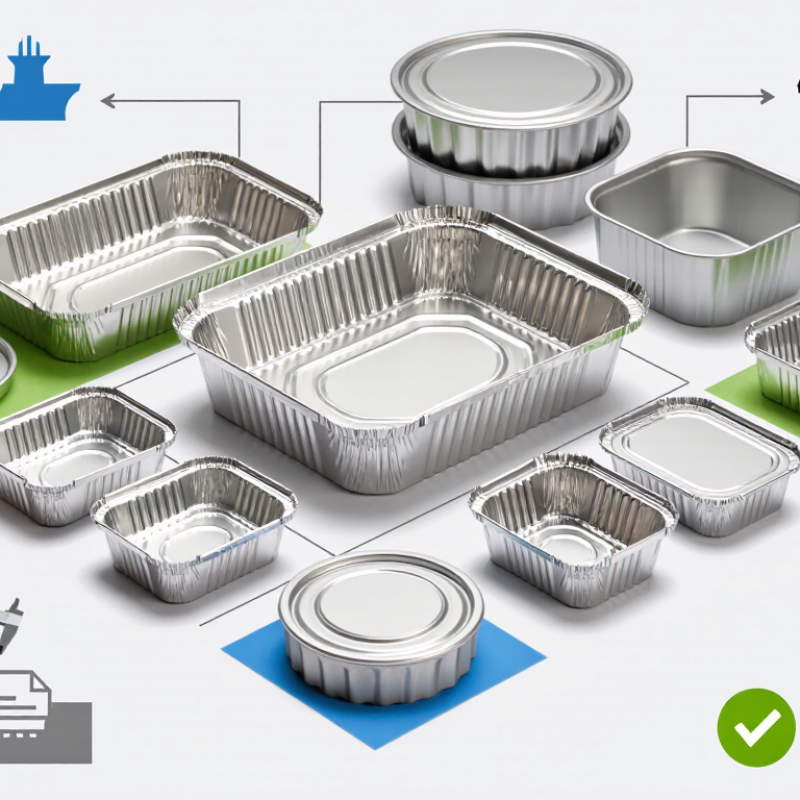
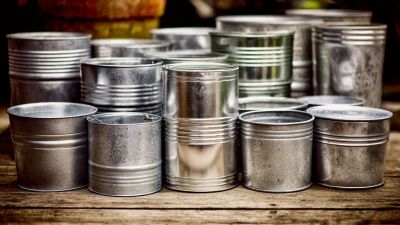
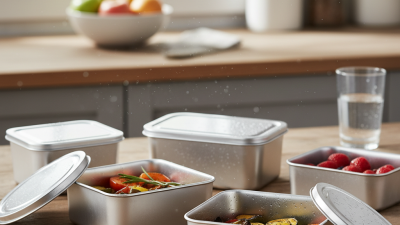
Aluminum containers are rigid or semi-rigid packages made from lightweight aluminum sheets, foils, or formed metal. They include trays, cans, bottles, boxes, and small technical cases. Manufacturers shape the metal through drawing, stamping, folding, or molding. Each method affects wall thickness, strength, and production cost. In quality inspections, I look for smooth seams, even edges, and consistent dimensions. Small defects can affect sealing performance.
Their popularity comes from a useful combination of properties. Aluminum is light, yet it can protect contents from light, moisture, air, and physical impact. It also transfers heat efficiently, which supports controlled heating and cooling processes. Many containers are stackable, easy to label, and suitable for transport. Their clean surface also supports practical hygiene procedures when handled correctly. Recyclability adds value, although collection systems differ between regions.
No material is perfect. Aluminum can dent under pressure, and some contents may react with untreated surfaces. Protective coatings or liners may be needed, especially for acidic or salty products. Engineers should check temperature limits, closure strength, wall thickness, and compatibility before selecting a container. I have seen attractive packaging fail because its lid fit was ignored. That detail matters. Cost, storage conditions, and recycling access should also influence the final choice.
Choosing an aluminum container supplier requires more than comparing prices. Check the supplier’s production experience, material knowledge, and quality controls. Ask which aluminum alloys they use and whether thickness stays consistent across the container body. Request samples with visible measurements, surface details, and closure tests. A reliable supplier should provide test reports, batch records, and clear production timelines.
Visit the factory when possible, or request a live video inspection. Look for clean forming areas, calibrated equipment, and organized storage. Confirm whether the supplier can manage your required volume without sacrificing quality. Review packaging carefully, especially for long-distance shipping. Dents often appear during transport, not production. Communication matters too. Slow replies may create larger problems later. A polished website proves very little.
Tips: Use a simple scorecard for quality, capacity, documentation, responsiveness, and total cost. Speak with recent customers when available. Compare two or three production samples, not just catalog photos. Ask how defects are handled and who approves corrective action. No scorecard is perfect. A supplier may pass every document check but still struggle with urgent changes. Leave room for a small trial order before making a long-term decision.
The best aluminum container suppliers combine material expertise with dependable production control. Their strongest advantage is often deep-drawing technology, which creates smooth walls and consistent dimensions. This matters when containers must fit automated filling lines. Experienced suppliers also offer seamless designs, secure closures, and accurate neck finishes.
Some suppliers focus on lightweight containers for food, cosmetics, and household products. Others provide thicker walls for demanding transport conditions. Strong suppliers can recommend suitable alloys, coatings, and forming methods for each application. Their technical teams should explain why a specification works, not simply accept every request. Ask for production samples, dimensional reports, and coating test results. Small details reveal a great deal.
Global suppliers also differ in customization strength. One may handle complex shapes well, while another delivers faster tooling and lower minimum orders. Reliable partners show clear lead times, traceable materials, and practical quality controls. During factory evaluations, check press maintenance, surface inspection, and carton protection. A clean showroom is not enough. I have seen attractive samples hide weak packaging or inconsistent batches. That risk deserves attention. Recycled aluminum can improve sustainability, but its quality still requires careful verification. Suppliers should provide realistic data rather than broad environmental claims. Price remains important, yet a cheaper container can create filling delays, leakage concerns, or costly rework.
Choosing among the 10 Best Aluminum Container Suppliers Worldwide requires more than comparing prices. Industry standards, certifications, and quality controls reveal how consistently a supplier performs. Reliable manufacturers usually operate under documented quality systems, such as ISO 9001, while meeting relevant food-contact, packaging, or transport requirements for each market. Certifications should be current, traceable, and matched to the actual production site.
In practice, I look for batch records, material certificates, and clear inspection procedures. Aluminum thickness should remain consistent across the container body and rim. Inspectors may also check dimensions, surface defects, coating adhesion, closure fit, and leak resistance. Laboratory testing can confirm migration limits when containers contact food or sensitive products. A certificate is not proof of every shipment. Suppliers still need routine sampling and corrective-action reports. Even experienced teams miss small defects sometimes, especially during fast production changes.
Tips: Ask for recent audit summaries, not only certificate copies. Request sample containers from different batches. Check whether testing equipment is calibrated and records are retained. Confirm traceability from raw aluminum to finished cartons. Visit the facility when practical. A polished presentation can hide weak controls. I would also ask how the supplier handles rejected lots, because that answer often exposes the real quality culture.
The table presents anonymized supplier profiles and industry benchmarks rather than company or brand claims. Certification items indicate commonly applicable requirements for the stated product scope and should be verified through current certificates, audit reports, and product-specific declarations before purchasing.
| Supplier Profile | Primary Supply Region | Typical Container Portfolio | Common Aluminum Grades | Applicable Industry Standards | Relevant Certifications or Declarations | Core Quality-Control Practices | Typical Compliance Strength | Best-Fit Applications |
|---|---|---|---|---|---|---|---|---|
| Supplier Profile 01 | Western Europe | Rigid food trays Lids Baking containers | EN AW-1050A, EN AW-3003, and EN AW-8011 aluminum alloys, subject to product design and temper. | EN 602 for chemical analysis of wrought aluminum products; EN 485 series for sheet and strip; EU Regulation (EC) No 1935/2004 for food-contact materials. | ISO 9001:2015; ISO 14001:2015; EU food-contact declaration of compliance; Regulation (EC) No 2023/2006 GMP documentation where applicable. | Incoming alloy verification, thickness and temper checks, coating-weight measurement, dimensional sampling, seal-integrity testing, and traceability by production lot. | ★★★★★ High documentation maturity |
Retail food packaging, bakery products, prepared meals, and export programs requiring structured compliance files. |
| Supplier Profile 02 | East Asia | Foil containers Compartment trays Takeaway packaging | Commonly 8011 or 3003 aluminum foil and sheet, selected according to forming depth, strength, and food-contact requirements. | ASTM B479 for aluminum foil intended for flexible barrier and packaging applications; ASTM B209 for aluminum sheet and plate where relevant; applicable food-contact regulations in the destination market. | ISO 9001:2015; HACCP-based food-safety controls; destination-market food-contact testing; supplier declarations for restricted substances where required. | Foil pinhole inspection, basis-weight and thickness testing, cup or tray dimensional checks, visual inspection, edge-quality monitoring, and carton-level sampling. | ★★★★☆ Strong high-volume capability |
High-volume foodservice, catering, meal delivery, and standard disposable container programs. |
| Supplier Profile 03 | North America | Heavy-gauge trays Industrial pans Custom formed parts | Commonly 3003 and 5052 aluminum alloys, selected for formability, strength, corrosion resistance, and intended service conditions. | ASTM B209 for aluminum sheet and plate; ASTM E8/E8M for tensile testing when specified; customer drawings and purchase specifications for formed components. | ISO 9001:2015 or equivalent certified quality system; material test reports; customer-specific quality clauses; food-contact documentation when used for food packaging. | First-article inspection, coordinate or gauge-based dimensional verification, alloy certificate review, forming-crack inspection, burr checks, and corrective-action reporting. | ★★★★★ Strong custom-engineering support |
Industrial food processing, aerospace-adjacent non-flight components, laboratory packaging, and customized container geometries. |
| Supplier Profile 04 | Central Europe | Pharmaceutical trays Sterilization containers Cleanroom-compatible parts | Low-carbon aluminum sheet or foil grades selected for forming consistency, surface cleanliness, and compatibility with validated coatings. | EN 485 series; ISO 15378 principles where primary pharmaceutical packaging is within scope; ISO 11607 principles where packaging-system validation is applicable. | ISO 9001:2015; ISO 15378:2017 certification where applicable; documented GMP procedures; material and coating declarations for the intended use. | Controlled-area production, particulate monitoring, cleaning validation, coating and adhesive checks, seal-strength testing, batch release review, and retained samples. | ★★★★★ High traceability and validation focus |
Pharmaceutical secondary packaging, medical-device accessories, laboratory products, and regulated healthcare applications. |
| Supplier Profile 05 | South Asia | Household foil trays Roasting pans Bakeware inserts | 8011 and 3003 alloys are frequently used for disposable foil products; exact grade and temper depend on forming depth and strength requirements. | ASTM B479 or equivalent foil specifications; ASTM B209 or equivalent sheet specifications; applicable national food-contact requirements. | ISO 9001:2015; HACCP or food-safety management controls; migration or extractables testing when required by the destination market. | Raw-material certificate checks, foil thickness measurement, forming-depth verification, visual defect inspection, leak testing, and finished-carton count checks. | ★★★★☆ Competitive standard-product performance |
Household baking, foodservice distribution, private-label packaging, and cost-sensitive standard product ranges. |
| Supplier Profile 06 | Middle East and North Africa | Catering trays Roasting containers Export food packs | Commonly 3003 and 8011 alloys, with food-contact coatings or lacquers specified according to application and market requirements. | Applicable EN or ASTM aluminum material standards; EU Regulation (EC) No 1935/2004 for European-bound products; destination-country food-contact rules. | ISO 9001:2015; ISO 22000:2018 or HACCP-based controls where food-safety certification is maintained; coating and migration declarations where applicable. | Coating adhesion testing, cure verification, dimensional control, leak testing, odor and visual checks, pallet inspection, and shipment traceability. | ★★★★☆ Good export-oriented capability |
Airline catering, hospitality, institutional kitchens, regional food processors, and hot-food delivery systems. |
| Supplier Profile 07 | Eastern Europe | Industrial containers Technical trays Small-batch custom forms | 1050A, 3003, 5052, or equivalent grades, selected through application-specific engineering review. | EN 485 series; EN 602 for chemical composition; customer-specific drawing tolerances; UN Model Regulations only when the finished packaging is designed and tested for dangerous goods. | ISO 9001:2015; ISO 14001:2015; material test reports; product conformity documentation; UN packaging certification only for approved tested designs. | Drawing review, first-piece approval, dimensional capability studies, weld or joint inspection when applicable, surface-finish checks, and nonconformance control. | ★★★★☆ Flexible engineering and low-volume support |
Industrial components, specialty chemicals packaging, technical assemblies, and short or medium production runs. |
| Supplier Profile 08 | Latin America | Foodservice trays Takeout containers Institutional packaging | 8011 and 3003 aluminum foil or sheet are commonly used for standard foodservice container formats. | ASTM B479, ASTM B209, or recognized national equivalents; local food-contact regulations; customer packaging specifications. | ISO 9001:2015 where certified; HACCP-based production controls; declarations for inks, coatings, and food-contact materials when applicable. | Incoming inspection, press-tool checks, sidewall and rim measurement, leak testing, visual inspection under defined lighting, and lot identification. | ★★★☆☆ Reliable regional supply option |
Domestic foodservice, restaurant distribution, institutional catering, and regional retail packaging. |
| Supplier Profile 09 | Oceania | Premium food trays Oven-ready packs Recyclable packaging formats | Food-contact aluminum alloys selected for thermal performance, forming behavior, and compatibility with recycling requirements. | Applicable EN, ASTM, or AS/NZS material standards; food-contact requirements of Australia and New Zealand; ISO 18604 principles for packaging recoverable by material recycling where relevant. | ISO 9001:2015; environmental-management certification where maintained; food-contact declarations; recycled-content documentation where claims are made. | Material and coating verification, oven-temperature performance checks, dimensional inspection, recyclability documentation review, and supply-chain traceability. | ★★★★☆ Strong sustainability documentation |
Retail-ready meals, premium food packaging, ovenable products, and sustainability-focused procurement programs. |
| Supplier Profile 10 | Global multi-region supply network | Standard foil containers Custom tooling programs Multi-market packaging | 8011, 3003, 5052, and other customer-approved grades, depending on geometry, strength, coating, and regulatory scope. | ASTM B209 and ASTM B479 where relevant; EN 485 series; ISO 22000 or HACCP controls for food-related production; market-specific packaging regulations. | ISO 9001:2015; ISO 14001:2015; ISO 45001:2018; food-contact declarations; REACH and RoHS statements where relevant to the product and market. | Supplier qualification, incoming laboratory testing, statistical process control, automated vision inspection, barcode traceability, finished-product audits, and annual process reviews. | ★★★★★ Broadest multi-market compliance coverage |
International procurement, multinational food companies, distributor networks, and programs requiring multiple regional delivery points. |

Key verification items before approval include the current certificate scope, alloy and temper, dimensional tolerances, coating or lacquer specification, food-contact migration results, lot traceability, minimum order quantity, tooling ownership, recycled-content evidence, and applicable transport or dangerous-goods test reports.
10 Best Aluminum Container Suppliers Worldwide
Choosing among leading aluminum container suppliers requires more than comparing unit prices. Match the supplier’s forming methods, alloy options, and production capacity with your actual requirements. Ask for samples first. Check wall thickness, lid fit, surface finish, and deformation after stacking. A container that looks precise on a sample may perform differently during long production runs.
Request verifiable quality records, material certificates, inspection procedures, and traceability details. For food, cosmetic, or pharmaceutical applications, confirm relevant certifications and regional compliance before signing a contract. Experienced suppliers should explain tolerances, tooling costs, minimum order quantities, and realistic delivery schedules. Do not rely on polished sales language alone. A factory visit or independent audit can reveal useful details, including storage conditions and rejected-product handling.
Tips: Compare total landed cost, not only the quoted price. Clarify packaging, freight, duties, payment terms, and replacement procedures. Test containers under real filling, sealing, transport, and storage conditions. Keep communication written and specific. One overlooked detail matters. Also, assess responsiveness during the sample stage. Slow answers may signal future production problems, although this is not always true. A smaller supplier can sometimes offer better attention, while a larger facility may provide stronger continuity. The right choice depends on evidence, not reputation alone.
2023 primary aluminum production by major producing country, measured in million metric tons
Regional aluminum production is a useful capacity-screening indicator when evaluating container suppliers. Higher-producing markets may offer broader material availability and more competitive lead times, but buyers should also verify container quality, alloy specifications, certifications, tooling capability, minimum order quantities, delivery reliability, and total landed cost. Production figures are based on publicly reported 2023 primary aluminum estimates from the U.S. Geological Survey.