Top 10 Benefits of Using Aluminium Containers for Your Business?
In today's fast-paced market, businesses are constantly seeking ways to enhance their efficiency and sustainability. Aluminium containers have gained popularity among various industries for their numerous benefits. As industry expert John Smith, a leading figure in packaging solutions, remarked, “Aluminium containers are not just durable; they represent a commitment to sustainable practices.” This statement underscores the ongoing shift towards more eco-friendly packaging options.
One of the standout advantages of aluminium containers is their lightweight nature. This characteristic not only reduces transportation costs but also decreases carbon emissions. Businesses can significantly improve their logistics while maintaining product integrity. Furthermore, aluminium is 100% recyclable, making it an environmentally responsible choice that resonates with consumers today.
Despite these advantages, some companies remain hesitant. Concerns about the initial investment in aluminium packaging can hinder the transition. However, the long-term savings and positive brand alignment with environmental standards often outweigh the upfront costs. As the market evolves, embracing aluminium containers might just be the key to a sustainable future for many businesses.

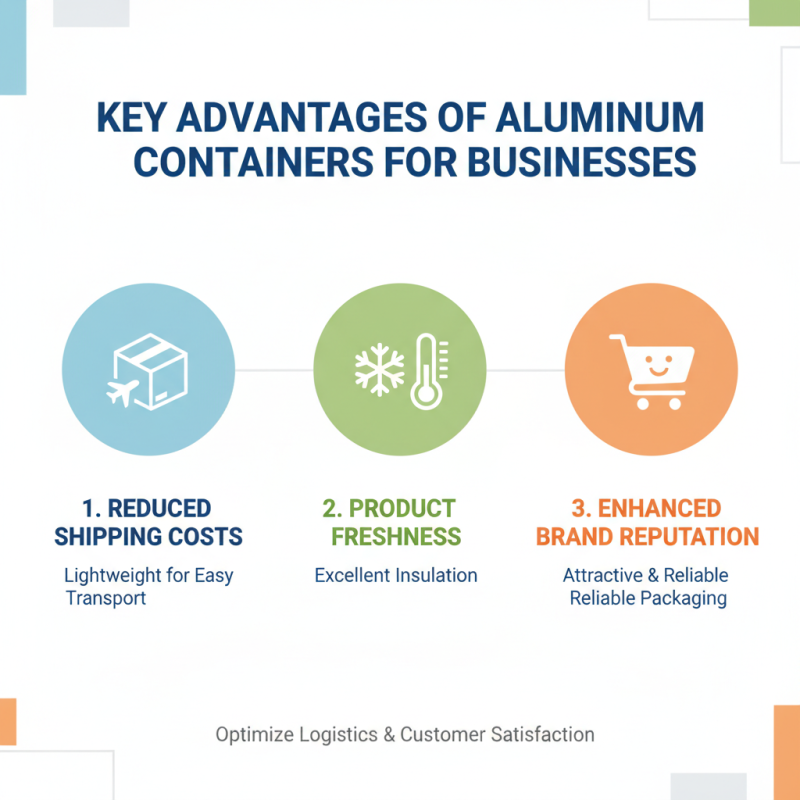
Key Advantages of Aluminium Containers for Businesses
Aluminium containers are gaining popularity in various industries. Their lightweight nature makes shipping easier and reduces transportation costs. For businesses looking to optimize their logistics, this is crucial. Additionally, they provide excellent insulation, keeping products fresh and attractive. This can enhance customer satisfaction and enhance brand reputation.
Another advantage is recyclability. Aluminium can be recycled repeatedly without losing quality. This eco-friendly feature resonates with environmentally conscious consumers. Businesses can boost their green credentials by using these containers. However, some companies may overlook this aspect, focusing instead on immediate cost savings. It’s important to balance sustainability with profit margins.
Durability is another key benefit. Aluminium containers resist corrosion and can withstand extreme temperatures. This makes them suitable for a wide range of products, from food to chemicals. Yet, businesses may face challenges in sourcing quality materials. It often requires research and reliable suppliers. Despite these hurdles, the advantages of using aluminium containers can outweigh the drawbacks.
Environmental Benefits of Using Aluminium Packaging
Aluminium packaging is increasingly recognized for its environmental benefits. It is highly recyclable, which is vital in reducing waste. According to the Aluminium Association, more than 75% of aluminium ever produced is still in use today. This statistic highlights the durable lifecycle of aluminium. Using aluminium containers means businesses can contribute significantly to sustainability goals.
Additionally, aluminium requires less energy to recycle compared to producing new material. The International Aluminium Institute reports that recycling aluminium saves up to 95% of the energy needed for new aluminium production. This remarkable energy efficiency can help businesses reduce their carbon footprints. However, the recycling infrastructure is sometimes lacking. In certain areas, consumers may not have easy access to recycling facilities. This gap presents challenges to fully realizing the potential benefits of aluminium packaging.
Moreover, while aluminium is lightweight and reduces transportation emissions, its production process still generates greenhouse gases. Efforts are underway to improve the sustainability of this process. Switching to recycled aluminium can mitigate some environmental impacts. It’s essential for businesses to stay informed about these developments. Awareness and collective action are crucial in making aluminium packaging a truly sustainable choice.
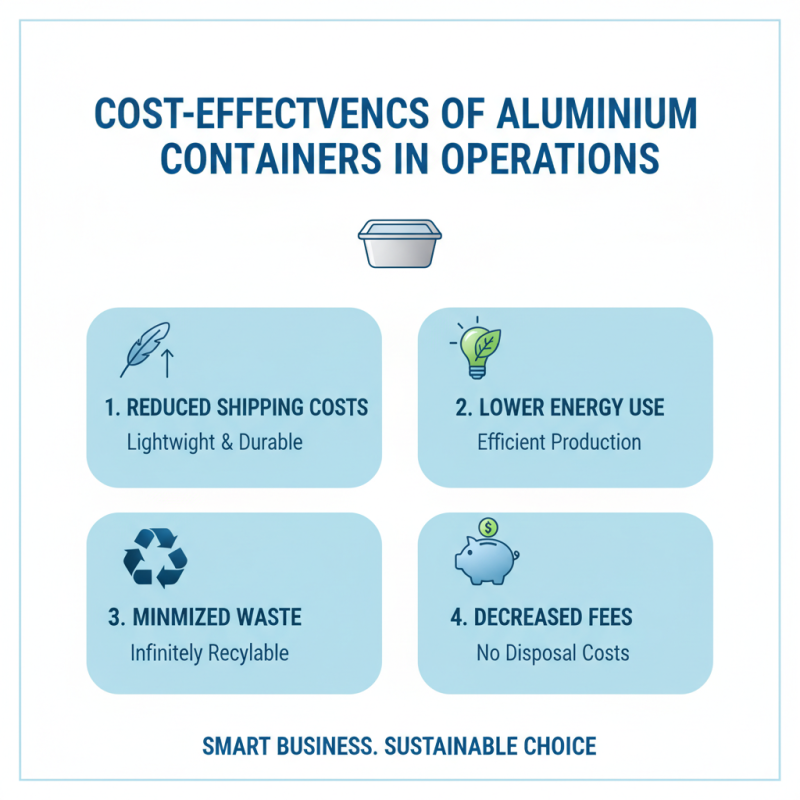
Cost-effectiveness of Aluminium Containers in Operations
Aluminium containers stand out in today’s competitive market. Their cost-effectiveness is evident in various business operations. These containers are lightweight and durable, reducing shipping costs significantly. When businesses choose aluminium, they lower energy expenditures in production. They are infinitely recyclable, minimizing waste and disposal fees.
Many companies find that using aluminium containers streamlines processes. They efficiently store products, maintaining quality without spoilage. In food industries, for example, these containers protect against contaminants. However, some businesses face challenges. Initial costs can be higher than plastic options. This requires careful budget consideration.
Despite potential drawbacks, aluminium containers often result in overall savings. Their reusability offers long-term benefits. Businesses may need to adjust practices to fully leverage these advantages. Investing in aluminium can transform operations positively. As awareness grows, more companies explore these cost-effective solutions.
Versatility of Aluminium Containers for Various Industries
Aluminium containers have gained traction across various industries.
Their versatility makes them suitable for
packaging, storage, and transportation. In the food industry, they offer
excellent barrier properties, ensuring freshness and safety. They can
withstand high temperatures, making them ideal for cooking and baking applications.
In the pharmaceutical sector, aluminium containers protect sensitive medications
from light and moisture. This durability helps preserve the efficacy of
drugs. Moreover, they are lightweight and stackable, which maximizes storage space.
However, not all aluminium containers are created equal. Some may not provide
the same level of protection as others.
Retail businesses are also embracing aluminium for product packaging. The
sleek appearance can enhance brand image.
However, the initial cost might deter smaller companies from switching. It's
important for businesses to assess their specific needs and choose wisely.
This decision can impact both sustainability goals and customer satisfaction.
Enhancing Product Freshness and Safety with Aluminium Packaging
Aluminium containers offer significant advantages in maintaining product freshness and safety. They provide an excellent barrier against moisture, light, and oxygen. This keeps food and other products in optimal condition for extended periods. Unlike some plastic containers, aluminium does not leach harmful chemicals into food, ensuring safety for consumers. The reflective surface of aluminium also helps in maintaining temperature stability, which is crucial for perishable goods.
Moreover, aluminium is lightweight yet durable. This characteristic allows for easy transportation and reduces shipping costs. Some businesses may face challenges in recycling or disposal, but many consumers appreciate sustainable practices. Aluminium is 100% recyclable and can be reused multiple times without losing quality. Companies that emphasize eco-friendly choices show authority in the market and build customer trust.
While using aluminium packaging, businesses must consider cost implications and sourcing issues. It’s important to balance costs with benefits. Investing in high-quality aluminium containers may initially seem daunting, but the long-term benefits often outweigh the expenses. Taking small steps toward incorporating aluminium packaging can lead to improved product safety, freshness, and environmental responsibility.
Top 10 Benefits of Using Aluminium Containers
This chart illustrates the top 10 benefits of using aluminium containers for businesses, highlighting features such as lightweight, recyclability, and the ability to enhance product freshness and safety.