What Is Aluminium Paper and How Is It Used?

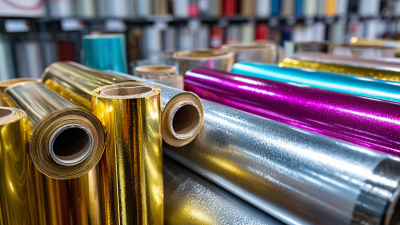
Aluminium paper is a familiar term, but it can describe different packaging materials. It may mean thin aluminium foil, aluminium-coated paper, or a laminated paper structure. These materials look similar under bright light. Their performance can differ considerably.

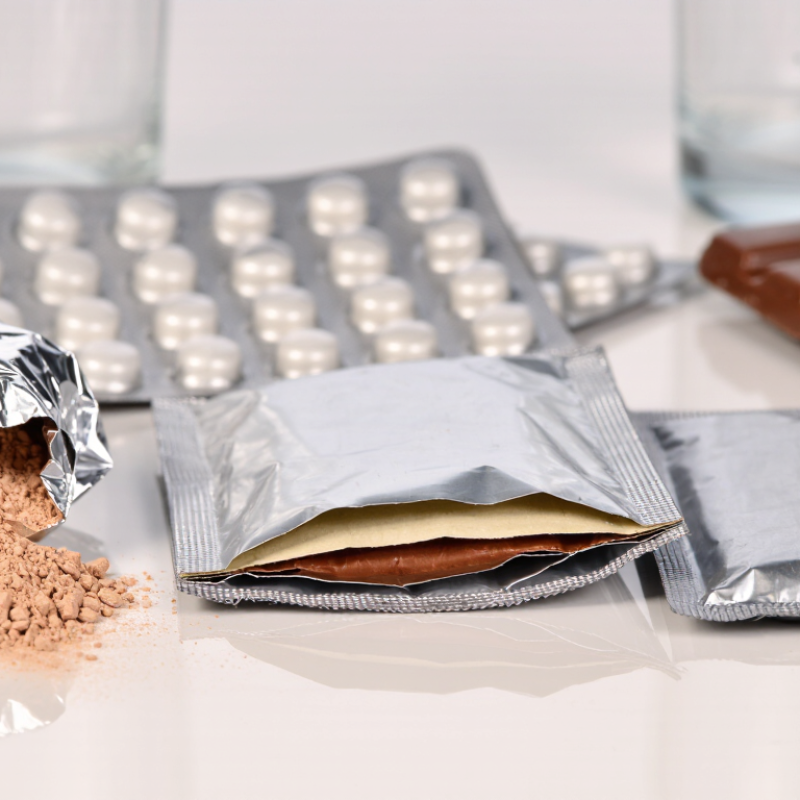
Heidi Brock, President and CEO of The Aluminum Association, has stated, “Aluminum is infinitely recyclable and retains its properties through recycling.” This principle helps explain aluminium paper’s appeal. The material can provide a strong barrier against light, oxygen, moisture, and external odors. A wrapped chocolate bar, sachet, pharmaceutical strip, or coffee pouch may rely on that protection.

But appearance can mislead.

A silver surface does not always mean solid aluminium foil. Some products use vapor-deposited aluminium, which is extremely thin. Others combine paper, plastic, adhesive, and foil layers. Each structure affects flexibility, sealing, printing, shelf life, and recycling options. Manufacturers must examine thickness, coating quality, pinholes, crease resistance, and contact suitability before choosing a grade.

In practical use, aluminium paper may protect powdered drinks from humidity or keep sensitive products stable during transport. It can also create a smooth, printable surface for branding. However, laminated packaging may be difficult to separate after use. That weakness deserves more attention.

This guide examines what aluminium paper means, how it is manufactured, and where it performs best. It also considers limitations that marketing descriptions often overlook. The terminology is not perfectly consistent. That is worth remembering. Reliable decisions depend on product specifications, test data, and the intended application rather than shine alone.
What Is Aluminium Paper and How Is It Used?

Definition and Basic Properties of Aluminium Paper

Aluminium paper is a thin, flexible material containing aluminium in sheet or coated form. The term is not perfectly standardized. It may describe aluminium foil, paper-backed foil, or paper with a very thin aluminium coating. Therefore, buyers should check the product specification before choosing it. Thickness, backing material, surface treatment, and intended use can vary considerably.

Its main property is strong barrier protection. Aluminium blocks light, moisture, oxygen, and many odors when the layer remains continuous. It also reflects heat and light, which helps control temperature in suitable packaging systems. The material is lightweight but can tear, crease, or develop pinholes under rough handling. It conducts heat quickly. That feature can be useful, but it may also create hot spots during processing. Aluminium paper does not automatically resist every chemical or high-temperature condition. Performance depends on thickness, coatings, seals, and contact time.

In practical use, manufacturers may apply it to food wrapping, insulation layers, decorative paper, labels, and craft surfaces. Paper backing can improve stiffness and printing performance. It can also reduce flexibility. I have found that a folded sample often looks intact, yet tiny cracks may appear along the crease. That detail deserves attention. Product testing should include bending, moisture exposure, sealing, and temperature changes. Recycling can be complicated when aluminium bonds permanently with paper or plastic. The material seems simple, but its structure matters.

Materials and Manufacturing Process

What Is Aluminium Paper and How Is It Used?

Materials and Manufacturing Process

Aluminium paper usually combines a thin aluminium foil layer with paper or board. It is not ordinary paper coated with metallic paint. The foil provides light, moisture, and oxygen resistance, while the paper adds stiffness and printability. Common paper choices include kraft paper, coated paper, and folding board. The final structure depends on its intended use, thickness, and required strength.

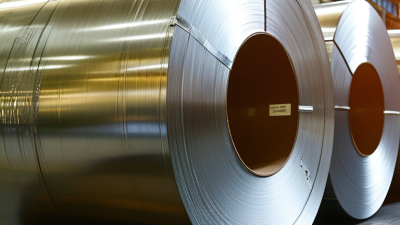
Manufacturing begins with aluminium rolled into a very thin, even foil. The foil is cleaned and checked for pinholes. It is then bonded to paper using a suitable adhesive or extrusion coating. Controlled pressure and heat help create a stable laminate. After curing, large rolls are slit into narrower widths or converted into sheets. Careful inspection matters because weak bonding can cause peeling, wrinkles, or uneven edges. In practice, results can vary. Moisture, storage temperature, and machine settings all affect performance.

Tips: Check the layer structure before selecting aluminium paper. A thicker foil does not always mean better protection. Ask for test data on bonding strength, barrier performance, and intended contact use. Store rolls in a dry area. Avoid sharp folding during handling, since small cracks may reduce the barrier. A practical trial is still useful before large-scale production.

What Is Aluminium Paper and How Is It Used? - Materials and Manufacturing Process

Data Dimension Typical Data or Specification Description and Practical Use
Common meaning Aluminium foil or aluminium-paper laminate “Aluminium paper” is a general trade description rather than a single standardized material. It may refer to thin aluminium foil or paper coated or laminated with aluminium foil.
Primary material Commercially pure or high-purity aluminium Aluminium provides low weight, corrosion resistance, formability, light reflection, and an effective barrier against moisture, oxygen, and light.
Aluminium density Approximately 2.70 g/cm³ at room temperature The relatively low density helps reduce packaging weight compared with many other metals.
Typical foil thickness About 6–200 micrometres (µm) Household and flexible packaging foils are commonly much thinner than rigid aluminium sheet. The selected thickness depends on strength, barrier performance, and forming requirements.
Paper layer thickness Often approximately 30–200 g/m² paper weight The paper layer adds stiffness, printability, and a writable or printable surface. The actual structure varies by application.
Barrier against light Very high when the foil is continuous and free from pinholes Useful for products that can deteriorate through light exposure, including some foods, pharmaceuticals, and sensitive chemicals.
Barrier against moisture and gases Effectively impermeable in an intact foil layer The barrier can be reduced by pinholes, tears, creases, seals, or defects. Laminates are often used to improve mechanical protection and sealability.
Melting point of aluminium Approximately 660.3°C Aluminium foil tolerates many food-processing and heating conditions, but the complete paper, adhesive, ink, and coating structure may have a lower service-temperature limit.
Thermal conductivity Approximately 237 W/(m·K) for pure aluminium near room temperature The foil transfers heat rapidly and can help distribute heat, although the paper and adhesive layers reduce the composite’s overall thermal conductivity.
Rolling process Hot rolling followed by cold rolling Aluminium slabs are progressively reduced in thickness between rollers. Cold rolling provides the final gauge, surface finish, and mechanical properties.
Foil finishing Annealing, slitting, inspection, and surface treatment Annealing adjusts softness and ductility. Slitting produces the required roll width, while inspection checks thickness, surface quality, and pinholes.
Lamination method Adhesive lamination, extrusion lamination, or heat bonding The aluminium foil is combined with paper, polymer film, or other substrates to improve stiffness, printability, sealing, puncture resistance, or product protection.
Food packaging applications Pouches, lidding, wrappers, sachets, beverage cartons, and bakery packaging Used to extend shelf life, protect aroma, prevent light exposure, and provide a heat-sealable or formable package when combined with suitable layers.
Industrial applications Insulation facings, cable shielding, labels, liners, and protective wraps The material can reflect radiant heat, provide electrical shielding, and protect surfaces from moisture, light, and contamination.
Printing suitability Good on treated paper or coated surfaces; limited on untreated foil Primers, coatings, or paper layers are commonly used to improve ink adhesion and image quality.
Recyclability Aluminium foil is recyclable; multilayer composites may require specialized recycling Clean, sufficiently thick foil is generally easier to recover than thin foil bonded permanently to paper, plastics, inks, or adhesives.
Main limitations Tearing, creasing, pinholes, and galvanic or chemical sensitivity Thin foil can be damaged during handling. Compatibility with acidic, alkaline, salty, or wet products must be evaluated together with the coating and laminate design.

Note: Values are typical reference ranges. Final specifications depend on aluminium alloy, temper, foil thickness, paper grade, coating, adhesive system, and intended application.

Common Uses in Food, Packaging, and Industry

What Is Aluminium Paper and How Is It Used?

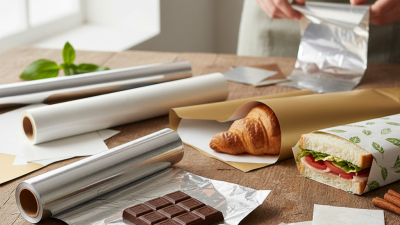
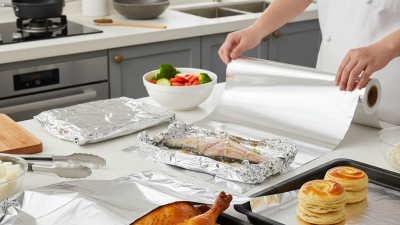
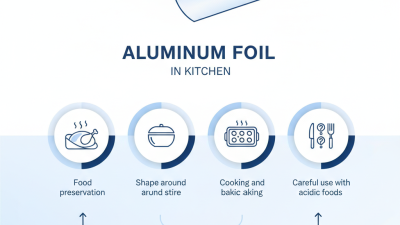
Aluminium paper usually means aluminium foil, rolled into an extremely thin sheet. It blocks light, oxygen, moisture, and many odors. This makes it useful for wrapping cooked meals, chocolate, dairy products, and medical supplies. A foil sheet can cover a warm tray tightly, leaving fewer exposed edges. In kitchens, people also use it for lining pans or protecting food during transport. However, foil should not automatically be treated as the best choice. Acidic or salty foods may react with aluminium during long storage.

Packaging remains a major application. The International Aluminium Institute reports that about 75% of all aluminium ever produced remains in use today. This reflects aluminium’s durability and recycling value. In flexible packaging, foil is often laminated with paper or polymer layers. These combinations improve strength and sealing performance. Yet, they can make recycling more difficult. That detail is often overlooked.

Industry uses foil for insulation, cable shielding, building materials, and heat exchangers. The U.S. Department of Energy identifies reflective aluminium surfaces as useful in reducing radiant heat transfer. On a construction site, foil-backed insulation can sit behind a wall panel and reflect heat away. Manufacturing also depends on precise foil thickness. Small variations can affect sealing, folding, and barrier performance. The material is practical, but not flawless. Its environmental benefit depends heavily on collection, sorting, and recycling systems.

Benefits and Limitations of Aluminium Paper

What Is Aluminium Paper and How Is It Used?

Aluminium paper usually means paper laminated with aluminium foil or coated with a thin metallic layer. It is used for sachets, labels, food wraps, pharmaceutical packs, and insulation facings. The paper provides stiffness and printability. Aluminium adds light, moisture, oxygen, and aroma protection. In a workshop, the difference is clear: a foil-backed sheet resists tearing, while ordinary paper softens quickly near steam.

Benefits and Limitations of Aluminium Paper

Its strongest benefit is barrier performance. The European Aluminium Foil Association reports that foil can block light, oxygen, and moisture when its thickness and seals are properly controlled. This may reduce product spoilage and protect sensitive contents during transport. The International Aluminium Institute states that recycled aluminium uses about 95% less energy than primary aluminium production. That figure supports circular design, but collection remains uneven.

The material also has weaknesses. Paper, adhesive, and aluminium are difficult to separate in many multilayer packs. Some recycling systems therefore reject them. The United Nations Environment Programme has repeatedly identified multilayer packaging as a design challenge for recycling infrastructure. Aluminium paper can also cost more than plain paper and may lose performance when folded, punctured, or poorly sealed. Thin coatings use less metal, yet they can offer weaker protection. It is not a magic green material. Designers must test humidity, heat, sealing pressure, and end-of-life routes before making environmental claims. Even small production errors can leave pinholes or exposed edges, and those details matter.

Safe Handling, Recycling, and Environmental Considerations

What Is Aluminium Paper and How Is It Used?

Aluminium paper usually means paper laminated with a thin aluminium foil layer. The foil blocks light, moisture, oxygen, and odours. This structure appears in food pouches, insulation, labels, and protective wrapping. In practice, the material feels light but tears differently from ordinary paper. Its sharp edges deserve attention.

Safe handling starts with clean hands and careful cutting. Do not use unknown laminated material for direct food contact. Heat, acids, and salt can increase metal transfer from unsuitable packaging. Keep scraps away from children and pets. Small pieces can cut skin. They can also become litter quickly.

Recycling is less simple than many people expect. Clean, pure aluminium has strong recovery value. The International Aluminium Institute reports that aluminium recycling can use about 95% less energy than primary production. However, paper-and-foil laminates may require separation before processing. Local recycling rules control the real outcome. The U.S. Environmental Protection Agency reported a 34.9% recycling rate for aluminium containers and packaging in 2018, but this figure does not represent foil-paper composites specifically. Remove food residue, flatten loose foil, and check local guidance. A clean ball is not automatically recyclable everywhere. I still find this part easy to misunderstand. Designing simpler layers may reduce that uncertainty.