UVLED Flatbed Printing Tips for Better Print Quality and Efficiency?
In the rapidly evolving world of UVLED Flatbed Printing, achieving top-notch print quality is crucial. Expert Mark Thompson, a leading figure in the industry, emphasizes, “Every adjustment matters in UVLED prints.” This statement underscores the intricate details involved in this printing method. By understanding these nuances, businesses can enhance both print efficiency and quality.
UVLED Flatbed Printing offers versatile applications across various materials. However, not all setups yield optimal results. Factors like ink settings, curing times, and surface preparation play vital roles. Ignoring these can lead to underwhelming outputs, which can be frustrating for operators and clients alike.
Attention to detail is essential in this competitive market. Even slight miscalculations can result in uneven finishes or colors. It's important to refine machine settings and regularly maintain equipment. Those who strive for perfection must continuously evaluate their processes. Embracing imperfection may lead to innovative solutions and improvements in UVLED Flatbed Printing techniques.
Understanding UVLED Flatbed Printing Technology
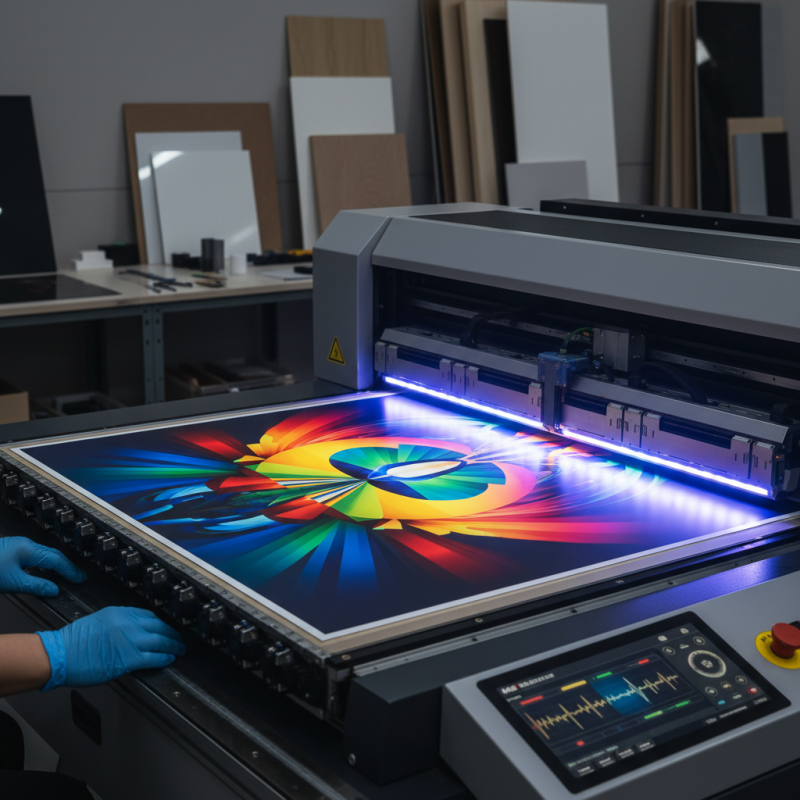
UVLED flatbed printing is a revolutionary technology that offers various benefits. This method uses UV light to cure or dry the ink as soon as it is applied to the substrate. The results are vibrant colors and sharp details. The print can adhere to different materials such as wood, metal, and glass. This versatility makes it attractive for various applications.
However, achieving optimal print quality requires careful consideration. The distance between the printheads and the substrate is crucial. If the distance is too far, the ink may not cure properly. Conversely, if it’s too close, it can cause smudging. Regular maintenance of the printing equipment is essential. Neglected machines can lead to inconsistent print results.
Understanding the curing process is also vital. Ink formulations can differ widely. This can affect adhesion and durability. Experimenting with different materials helps to find the right match. Users may encounter challenges, but reflection and adjustments based on observations can enhance the workflow. Recognizing these variables is critical to achieving the desired results in UVLED flatbed printing.
UVLED Flatbed Printing Tips for Better Print Quality and Efficiency
| Aspect | Tip | Impact on Quality | Impact on Efficiency |
| Printer Calibration | Regularly calibrate your printer | Improves color accuracy and detail | Reduces waste and reprints |
| Ink Maintenance | Clean print heads frequently | Prevents clogging and streaking | Minimizes downtime |
| Material Selection | Use compatible substrates | Ensures optimal ink adhesion | Streamlines production process |
| Print Settings | Adjust DPI settings for each job | Enhances image clarity | Optimizes speed versus quality |
| UV Curing | Make sure bulbs are functional | Improves durability of prints | Speeds up drying time |
Key Factors Influencing Print Quality in UVLED Printing
In UVLED printing, achieving high-quality results hinges on several key factors. The type of substrate you choose plays a critical role. Different materials interact uniquely with the UV light, affecting adhesion and curing. For instance, glossy surfaces can often yield better clarity, yet some may not adhere well. Proper testing on various substrates is essential.
Another aspect to consider is the printer's settings. Resolution, speed, and ink density must align with the material used. A higher resolution might seem ideal, but it can slow down production times. Finding that sweet spot for efficiency and quality is vital. Adjusting these settings based on feedback can lead to significant improvements.
Here are some tips for better print quality. Ensure the printhead is well-maintained and clean. Dirty nozzles lead to inconsistent output. Also, calibrate your printer regularly to prevent drifting quality. Monitor the environment, as humidity can affect ink performance. Lastly, don't forget to experiment with different ink types. Sometimes, a slight change can enhance the overall result, making your prints more vibrant and detailed.
Techniques to Enhance Print Efficiency with UVLED Printers
When using UVLED printers, achieving high print quality and efficiency is crucial. One effective technique is to regularly clean the print heads. Dust and residue can significantly impact print results. Neglected print heads may lead to inconsistent colors and poor adhesion. Routine maintenance prevents these issues and enhances overall performance.
Another strategy focuses on selecting the right materials. The substrate type affects ink absorption and drying times. Experimenting with different surfaces allows for better matches with your inks. This can reduce printing errors and improve workflow. Monitoring the environment where printing occurs is also key. Factors like humidity and temperature play roles in drying times and print quality.
Lastly, consider optimizing the printing speed. While fast printing may seem beneficial, it can compromise quality. Slower speeds often lead to more detailed prints. Finding a balance between speed and quality requires careful testing. Regularly revisiting your processes can uncover areas for improvement. Always be open to adjusting your methods for the best outcome.
Maintaining and Calibrating UVLED Printers for Optimal Results
Maintaining UVLED printers is essential for achieving consistent print quality. Regular cleaning of the print head can prevent clogs. Use a soft cloth for gentle cleaning to avoid damage. Check for ink residue buildup, as it can impact color accuracy. Make a habit of inspecting the printer daily.
Calibrating the printer adds another layer of precision. Ensure that the bed is level before each print run. An uneven surface can lead to inconsistent results. Adjust the print settings according to the material being used. Different substrates may require unique settings for the best outcome. If you notice artifacts in prints, it might be time to reevaluate calibration settings.
Don't overlook the importance of environment. Dust and temperature can affect print quality. Maintain a clean workspace to reduce dust accumulation. However, it’s easy to miss small details that could improve results. Regularly assessing these aspects can lead to enhanced efficiency. Embrace the learning curve as you refine processes over time.
UVLED Printer Maintenance and Calibration Effects on Print Quality
Common Troubleshooting Tips for UVLED Printing Challenges
UVLED printing presents unique challenges that can affect print quality and efficiency. One common issue is the inconsistency in ink curing. When the UV light intensity is inadequate, prints may appear blurry or smudged. It's crucial to regularly check the lamp intensity and replace bulbs when they dim. Inconsistent curing leads to poor adhesion and can ruin a batch of prints.
Another challenge involves substrate compatibility. Different materials respond differently to UV inks. For example, some surfaces may reject ink altogether. Performing a test print on new substrates before full production can save time and materials. Adjusting the ink formulation might be necessary to improve adhesion on tricky surfaces. This aspect requires continuous evaluation and adjustments.
Regular maintenance of the printer is essential as well. Dust and debris can affect print quality, causing uneven surfaces and color inconsistencies. It's easy to overlook these factors in busy environments. Schedule routine cleaning to minimize these risks. Ignoring upkeep might lead to costly mistakes and wasted resources. Adopting a proactive approach helps in overcoming these printing challenges.