How to Use Foil Sheets for Food Storage and Cooking Effectively
In the realm of kitchen essentials, foil sheets for food stand out as a versatile and practical tool for both storage and cooking. Renowned culinary expert, Chef Sarah Green, emphasizes their impact by stating, "Foil sheets for food not only preserve the freshness of ingredients but also enhance the cooking process with their ability to conduct heat evenly." This bond of utility and efficiency makes foil sheets an indispensable component in any home cook's toolkit.
When employed correctly, foil sheets can dramatically streamline cooking and food preservation tasks. Whether wrapping leftovers to prevent spoilage or using them as a makeshift baking surface, these sheets allow for easy cleanup and minimal waste. Furthermore, their flexible nature means they can be molded to fit various containers or dishes, making them ideal for a variety of culinary applications.
As we delve into the effective use of foil sheets for food storage and cooking, exploring tips and techniques can empower both amateur and seasoned chefs alike to harness their full potential. By understanding how to utilize these sheets properly, we can take significant strides toward enhancing food quality and ensuring a more efficient kitchen experience.

Benefits of Using Foil Sheets in Food Storage and Cooking
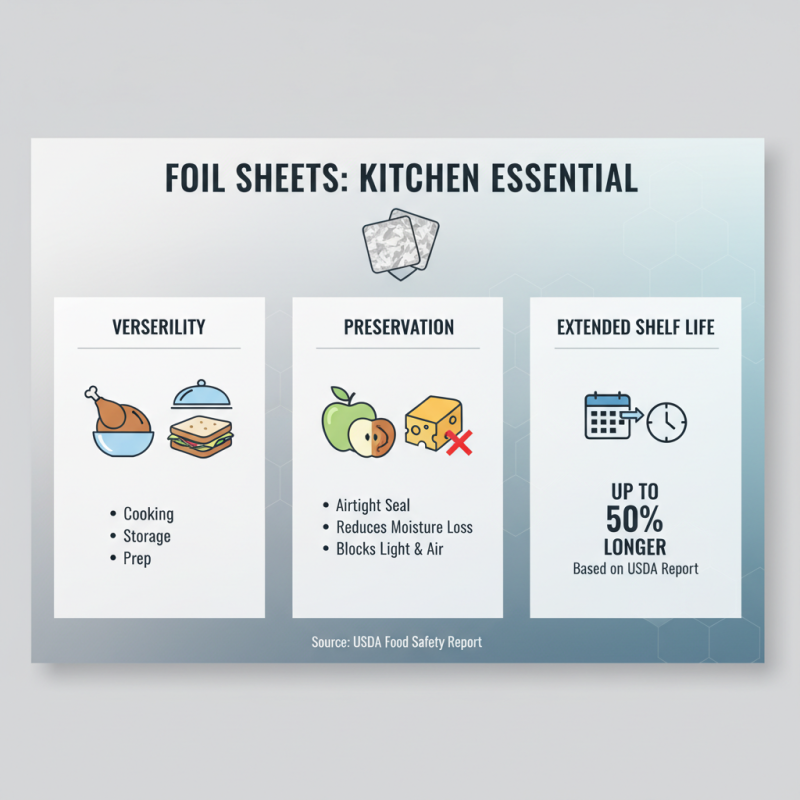
Foil sheets are becoming increasingly popular in both home kitchens and professional settings due to their versatility and efficiency in food storage and cooking. One of the primary benefits of using foil sheets is their ability to create a hermetic seal, which significantly reduces moisture loss and oxidation. According to a report from the USDA, proper food storage can extend the shelf life of perishable items by up to 50%, and foil sheets play a crucial role in this process by preventing exposure to air and light, which can lead to spoilage.
In addition to food preservation, foil sheets are excellent for cooking, as they can withstand high temperatures and are non-reactive with most foods. Studies show that cooking with foil can enhance flavors and moisture retention, allowing for even cooking and avoiding the risk of drying out food. For instance, wrapped vegetables or meats can retain up to 40% more moisture compared to traditional cooking methods. Furthermore, their reflective surface can help distribute heat evenly, which is particularly beneficial for baking. With these advantages, many chefs and home cooks alike are turning to foil sheets as an essential tool in their culinary arsenal.
Choosing the Right Type of Foil Sheets for Your Needs
When it comes to choosing the right type of foil sheets for your food storage and cooking needs, several factors should be considered to maximize their effectiveness. First, understand the various types of foil available.
Standard aluminum foil is versatile and suitable for a wide range of tasks, such as wrapping food for storage, lining baking sheets, and covering dishes in the oven. To ensure you are using the right thickness, consider the consistency of what you are wrapping; heavier items may require a thicker foil for durability.
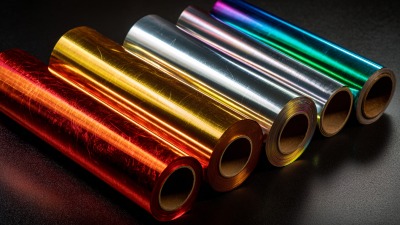
Another important consideration is the specific purpose for which you will be using the foil sheets. For grilling or roasting, oven-safe and non-stick options can prevent food from sticking while also allowing for easy cleanup. If you're interested in environmentally friendly alternatives, look for recyclable or compostable foil sheets. By understanding the different varieties and their applications, you can select the right foil that not only meets your culinary needs but also enhances your cooking experience.
Best Practices for Storing Food with Foil Sheets
When it comes to food storage, foil sheets can be an invaluable tool in the kitchen. One of the best practices is to ensure that the food is wrapped tightly in the foil. This prevents air from getting in and helps to preserve the freshness of the food. For items like meats and vegetables, using a double layer of foil can provide added protection against freezer burn. Additionally, folding the edges securely can help to seal in moisture and flavors, making your meals taste better when it’s time to cook them.
Another effective method for using foil sheets is to label the packages with dates and contents. This simple step avoids confusion and helps you monitor the freshness of your stored food. When laying out your foil sheets for wrapping, make sure to use the shiny side facing in, which is believed to retain heat better and enhance cooking performance. For steaming vegetables or baking, utilizing foil to create pouches can lock in flavors while preventing nutrient loss, ensuring that your meals are both delicious and nutritious.
Effective Cooking Techniques Using Foil Sheets
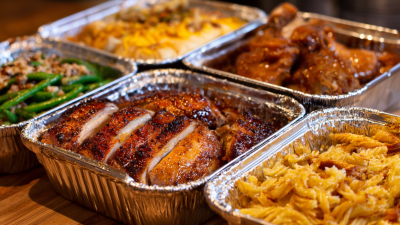
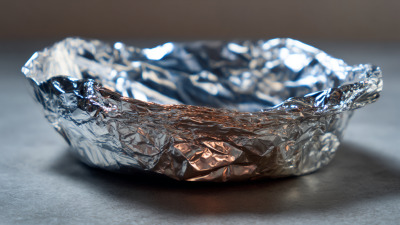
When it comes to cooking, foil sheets can be a versatile and effective tool in your kitchen arsenal. They are excellent for baking, grilling, and even steaming, allowing food to cook evenly while retaining moisture and enhancing flavors. One effective technique is using foil to create customized packets for baking or grilling. Simply place your ingredients—such as vegetables, fish, or chicken—inside the foil, season as desired, and seal it tightly. This method traps steam, resulting in tender and flavorful meals that can be easily cooked on the grill or in the oven.
Tips: Make sure to use heavy-duty foil for grilling or steaming, as it can withstand higher temperatures without tearing. Additionally, lightly oiling the inside of your foil packet can prevent food from sticking, ensuring an effortless cleanup.
Another technique involves lining your baking trays with foil, which makes cleaning up a breeze. When baking casseroles or roasting vegetables, the foil can catch spills and drips, allowing you to simply remove it after cooking. This not only saves time but also helps to keep your cookware in great condition.
Tips: When using foil to line trays, avoid using it directly on high-acid foods like tomatoes or citrus, as this can lead to a metallic taste. Instead, opt for parchment paper in such cases for a more neutral flavor while still providing an easy cleanup solution.
How to Use Foil Sheets for Food Storage and Cooking Effectively
| Technique |
Description |
Best For |
Tips |
| Cooking Baked Goods |
Use foil sheets to line baking trays and prevent sticking. |
Cookies, Roasts |
Shiny side up for better heat reflection. |
| Wrapping Food |
Cover food items to prevent freezer burn. |
Meats, Vegetables |
Seal tightly to ensure freshness. |
| Grilling |
Create foil packets to steam vegetables or fish on the grill. |
Seafood, Vegetables |
Add seasoning inside before sealing. |
| Storage |
Wrap leftovers to keep them fresh in the fridge. |
Leftover Cooked Meals |
Use heavy-duty foil for longer storage. |
| Oven Protection |
Place a sheet on the bottom of the oven to catch drips. |
Catch spills from casseroles |
Ensure it's placed securely to avoid contact with heating elements. |
Tips for Recycling and Proper Disposal of Foil Sheets
When it comes to using foil sheets in the kitchen, proper recycling and disposal are crucial to minimizing environmental impact. Aluminum foil is recyclable, but it must be clean and free from food residues to ensure it can be processed effectively. After using foil sheets for cooking or food storage, a quick rinse can often suffice to remove any grease or food particles. Once cleaned, simply place them in your recycling bin, alongside other aluminum products. Many municipalities accept aluminum foil, so it's worth checking your local recycling guidelines.
If your foil sheets are heavily soiled or crumpled beyond repair, then disposal in regular waste is the best option. However, considering the energy-intensive process of producing new aluminum, it's essential to reduce waste wherever possible. Instead of tossing the used foil, look for ways to repurpose it around the home. It can be transformed into scrubbers for cleaning pots and pans, or even used in crafts and DIY projects. By being mindful of how you use and dispose of foil sheets, you contribute to a more sustainable kitchen environment.
Usage and Recycling of Foil Sheets