How to Use Alu Foil for Cooking Storage and DIY Projects Effectively
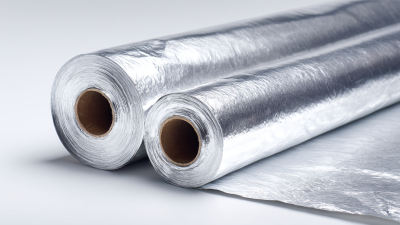
Alu foil, commonly known as aluminum foil, has become an essential tool in both professional kitchens and home cooking environments. According to a report by the Aluminum Association, in 2021, the global consumption of aluminum foil reached approximately 2.2 million metric tons, reflecting its widespread utility in food preservation and cooking. The unique properties of alu foil, such as its malleability, barrier against moisture, and heat conductivity, make it ideal for various culinary applications, from wrapping leftovers to lining baking sheets.
In addition to cooking, alu foil has also found its way into DIY projects, showcasing its versatility beyond the kitchen. Research conducted by market analysts indicates that around 30% of households actively use aluminum foil for creative projects, such as crafting and home insulation. These figures underscore the growing trend of maximizing the utility of everyday materials. By understanding the multifaceted uses of alu foil, consumers can make informed decisions that enhance both their cooking efficiency and creative endeavors. In this article, we will explore effective methods for utilizing alu foil in cooking, storage, and DIY projects, ensuring that you get the most out of this indispensable material.

Understanding the Versatility of Aluminum Foil in Everyday Use
Aluminum foil is an incredibly versatile tool that finds its way into numerous aspects of everyday life. From cooking to storage and even DIY projects, its unique properties make it an indispensable item in many households. Its ability to withstand high temperatures, while also being malleable, allows for creative applications, whether you're sealing in the moisture of a dish or crafting unique decorations for a special occasion.
Tips: When using aluminum foil for cooking, consider double-wrapping foods to enhance flavor and moisture retention. This not only helps in cooking meats and vegetables evenly but also prevents them from drying out. Additionally, when storing leftovers, make sure to press the foil tightly against the food to minimize air exposure and keep it fresh longer.
In the realm of DIY crafts, aluminum foil can be molded to create stunning art pieces or functional items. Its reflective surface can add a unique aesthetic to home décor or serve practical purposes, such as a handy reflective surface for photography. Remember to always recycle your aluminum foil after use to reduce waste and promote sustainability in your creative pursuits.
Effective Techniques for Cooking with Aluminum Foil
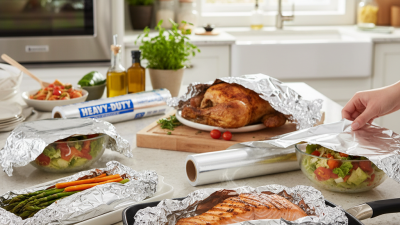
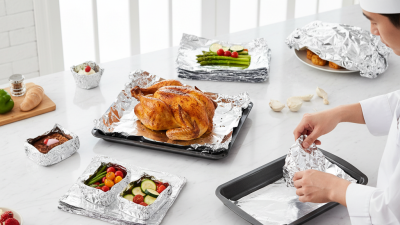
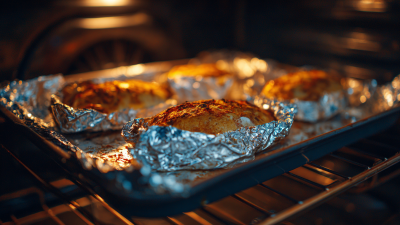
When it comes to cooking with aluminum foil, the applications are vast and can enhance your culinary experience. One effective technique is to use foil as a cooking aid for grilling and baking. Wrapping vegetables or fish in foil helps to trap moisture and flavors, creating steam within the package. This method not only ensures even cooking but also makes cleanup a breeze, as it minimizes residue on cooking surfaces.
**Tips:** Always ensure the shiny side of the foil faces the food for better heat reflection, which can improve cooking efficiency. When grilling, create a pouch with a bit of space for steam to circulate, promoting even cooking without burning.
Another fantastic way to use aluminum foil is for meal prep. By lining baking sheets or dishes with foil, you can enjoy easy release and less scrubbing post-cooking. This technique is especially useful when preparing sticky items like casseroles or baked desserts. You can also create individual portions by lining cup muffin tins, making it easier to portion out servings and streamline storage.
**Tips:** For extra durability, double up on the foil layers when creating pouches for heavier or juicier foods. If you want to reduce the risk of sticking, lightly grease the foil with cooking spray before placing the food inside. This simple step can enhance the presentation and ease of serving your dishes.
Usage of Aluminum Foil in Cooking and DIY Projects
Best Practices for Storing Food Using Aluminum Foil
When it comes to storing food, aluminum foil is an incredibly versatile tool that can help keep meals fresh and delicious for longer. One of the best practices for using aluminum foil is to ensure that the food is properly wrapped to avoid air exposure, which can lead to spoilage or freezer burn. When wrapping foods, use enough foil to cover the item completely, overlapping edges and folding them securely to create a tight seal. This is especially important for items like meats and vegetables that are prone to absorbing odors if left unwrapped.
Another effective method is to use aluminum foil to create customized containers for leftovers. Instead of relying solely on plastic wrap or containers, you can shape foil to fit around food items, ensuring that they are tightly sealed. This method is particularly useful for irregularly shaped food pieces or for transporting meals.
Additionally, labeling your foil-wrapped foods with a marker helps keep track of dates and contents, reducing food waste. Emphasizing these practices ensures that your food stays fresh and ready to enjoy whenever you need it.
Creative DIY Projects Utilizing Aluminum Foil
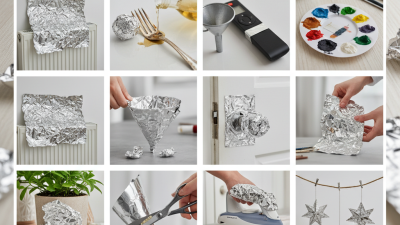
Aluminum foil is not only useful in the kitchen for cooking and storage, but it also offers endless possibilities for creative DIY projects. One popular project is using aluminum foil to create vibrant, eye-catching decorations. By crumpling and shaping the foil, you can make unique sculptures or even intricate ornaments. These pieces can be used to embellish living spaces or as gifts, bringing a touch of creativity and sparkle to your home.
Another fun DIY idea is to fashion aluminum foil into functional items. For instance, you can mold foil into handy trivets, coasters, or even decorative bowls. These items are not only practical but also allow you to explore your artistic side. You can paint or color the foil to match your decor, creating customized pieces that reflect your personality.
Tips: When working with aluminum foil, always keep in mind that it can be sharp at the edges, so handle it with care. Additionally, for sculptures or crafts that require stability, consider layering multiple sheets of foil for a sturdier base. Experimenting with different thicknesses and techniques will yield exciting results and enhance your crafting experience.
How to Use Alu Foil for Cooking Storage and DIY Projects Effectively - Creative DIY Projects Utilizing Aluminum Foil
| Use Case |
Description |
Benefits |
DIY Project Idea |
| Cooking |
Use as a liner for baking sheets to reduce cleanup time. |
Saves time and prevents food from sticking. |
Create an art piece by molding it into different shapes for decoration. |
| Storage |
Wrap food items securely to prevent freezer burn. |
Extends food freshness and avoids waste. |
Make decorative bowls by molding foil over a balloon. |
| Grilling |
Use as a barrier between food and grill grates. |
Prevents small food items from falling through the grates. |
Create a grill pack for veggies by sealing them in foil. |
| Crafts |
Use for creating shiny, metallic finishes on projects. |
Adds a unique aesthetic to various crafts. |
Design ornaments or gifts by wrapping in colorful foil. |
Safety Tips and Precautions When Using Aluminum Foil
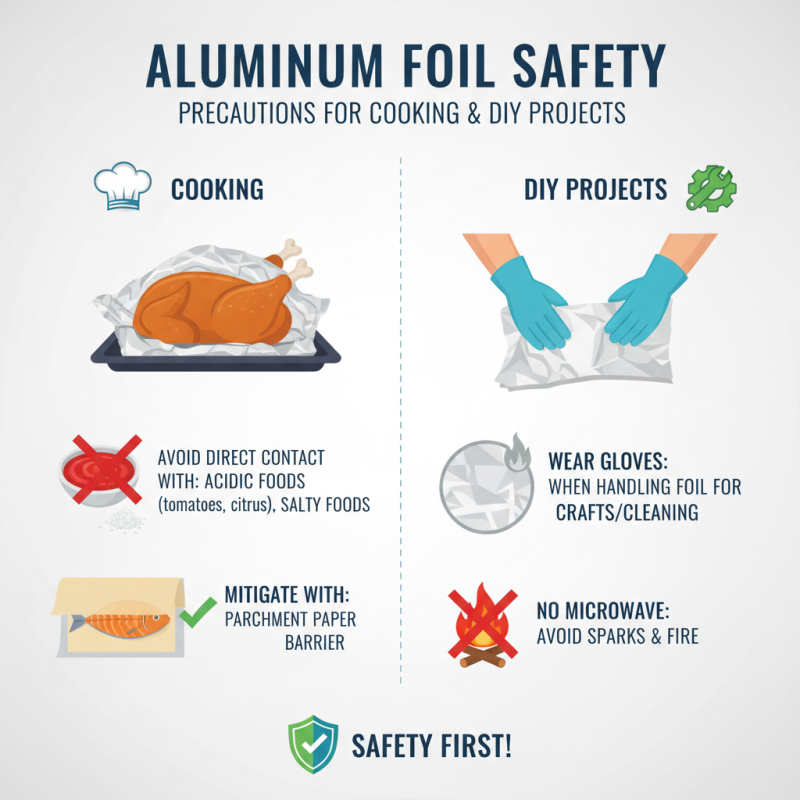
When using aluminum foil in cooking or DIY projects, safety should always be a top priority. One of the primary precautions to keep in mind is to avoid direct contact with acidic or salty foods. The aluminum can react with these substances, leading to the ingestion of aluminum compounds, which may pose health risks over time. To mitigate this, consider placing a layer of parchment paper between the foil and the food to minimize direct interaction.
Additionally, it's crucial to handle aluminum foil with care. Cut edges can be sharp and may cause cuts or abrasions on skin. Always fold the edges of the foil when handling, and consider wearing gloves if you're concerned about potential injuries. Furthermore, avoid using aluminum foil in high-temperature situations, such as using it in a microwave or placing it too close to direct flames, as this can create hazards including fire and melting. Following these simple yet effective safety tips will ensure a safer experience while utilizing aluminum foil in your culinary and DIY endeavors.