Ultimate Tips for Using Aluminum Foil Sheets in Your Kitchen
In recent years, aluminum foil sheets have gained immense popularity in kitchens worldwide, attributed to their versatility and convenience. According to a report by the Aluminum Association, the global demand for aluminum products, including foil sheets, has surged, with a projected growth rate of approximately 7% annually. These lightweight, heat-resistant sheets are not only useful for food storage and cooking but also play a pivotal role in reducing food waste, which the USDA estimates to be around 30-40% of the food supply in the United States alone.
Utilizing aluminum foil sheets effectively can elevate your culinary experiences, providing solutions for various cooking methods such as grilling, baking, and steaming. Beyond their kitchen applications, these sheets are also environmentally friendly, as aluminum is 100% recyclable and can be reused multiple times before disposal. By incorporating the ultimate tips for using aluminum foil sheets, home cooks can optimize their food preparation and storage practices, aligning with both economic and sustainable cooking trends.
As we delve into the practical uses and benefits of aluminum foil sheets, we will explore innovative techniques that can enhance your kitchen experience, making everyday cooking not only easier but also more efficient and sustainable.
Benefits of Using Aluminum Foil Sheets in the Kitchen
Aluminum foil sheets have become an essential tool in kitchens worldwide due to their unique properties and versatility. Not only do they provide an effective barrier for moisture and light, but they also facilitate cooking and storage processes. According to a report by the Aluminum Association, the use of aluminum foil is prevalent in approximately 85% of American households, highlighting its significance in daily meal preparation and food preservation.
One of the primary benefits of using aluminum foil sheets in the kitchen is their ability to retain heat and moisture during cooking, which enhances food flavor and texture. A study from the Food Technology Journal indicates that cooking with aluminum foil can reduce cooking time by up to 25% when used for wrapping meats and vegetables, making it a time-efficient option for busy cooks. Moreover, aluminum foil is also recyclable, with the recycling process demanding significantly less energy compared to that required for producing new aluminum, thus promoting sustainable practices in food preparation.
Beyond cooking, aluminum foil sheets are invaluable in food storage. They effectively minimize food spoilage and waste by preventing exposure to air, which causes oxidation and bacterial growth. Research from the U.S. Environmental Protection Agency (EPA) shows that properly wrapped food using aluminum foil can extend its shelf life by up to 50%, thereby not only preserving food quality but also contributing to a more sustainable kitchen by reducing waste.
Benefits of Using Aluminum Foil Sheets in the Kitchen
Creative Cooking Techniques with Aluminum Foil Sheets
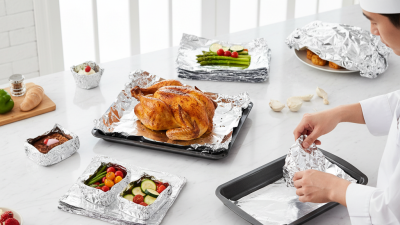
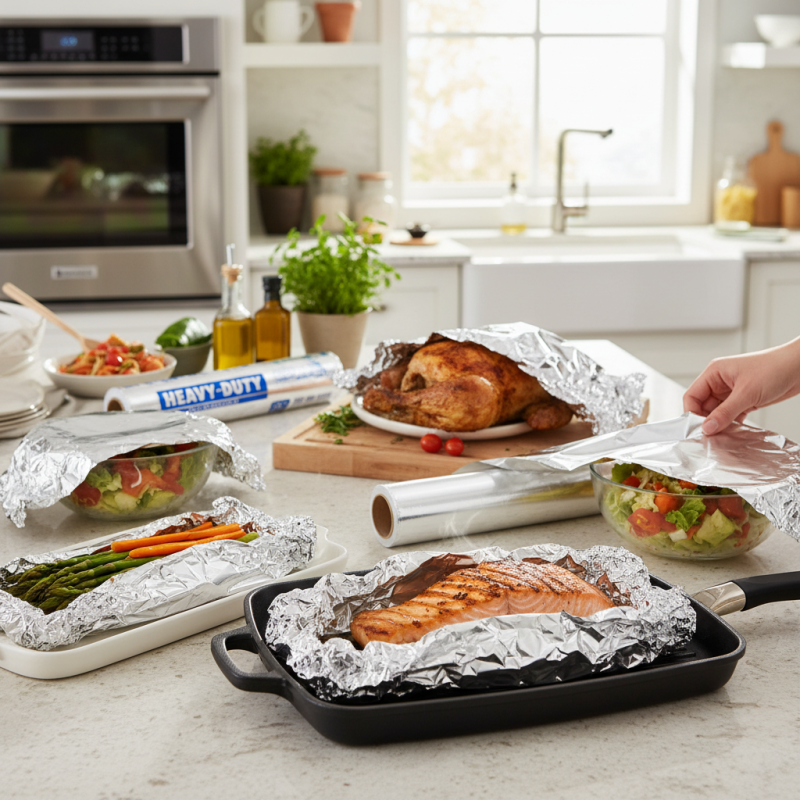
Aluminum foil sheets are an incredibly versatile tool in the kitchen, offering creative cooking techniques that can elevate your culinary creations. One innovative method is using aluminum foil to create packets for cooking. Simply place your chosen proteins and vegetables inside a foil sheet, season them to taste, and seal the packet tightly. This method locks in flavors and moisture, resulting in perfectly tender and flavorful dishes with minimal cleanup. The packets can be cooked in the oven or on the grill, making them ideal for everything from quick weeknight dinners to backyard barbecues.
Another exciting technique is to use aluminum foil as a makeshift baking dish. Line a baking tray with aluminum foil to create a customized pan with raised edges. This is especially useful for baking items like lasagna or roasting vegetables, as it allows for easy removal and serving. Additionally, you can craft small cups or molds from aluminum foil, perfect for baking individual desserts or appetizers. This not only enhances presentation but also adds a fun, personalized touch to your dishes. With a little creativity, aluminum foil can be a game-changer in your cooking repertoire.
Food Storage Solutions: Maximizing Freshness with Aluminum Foil
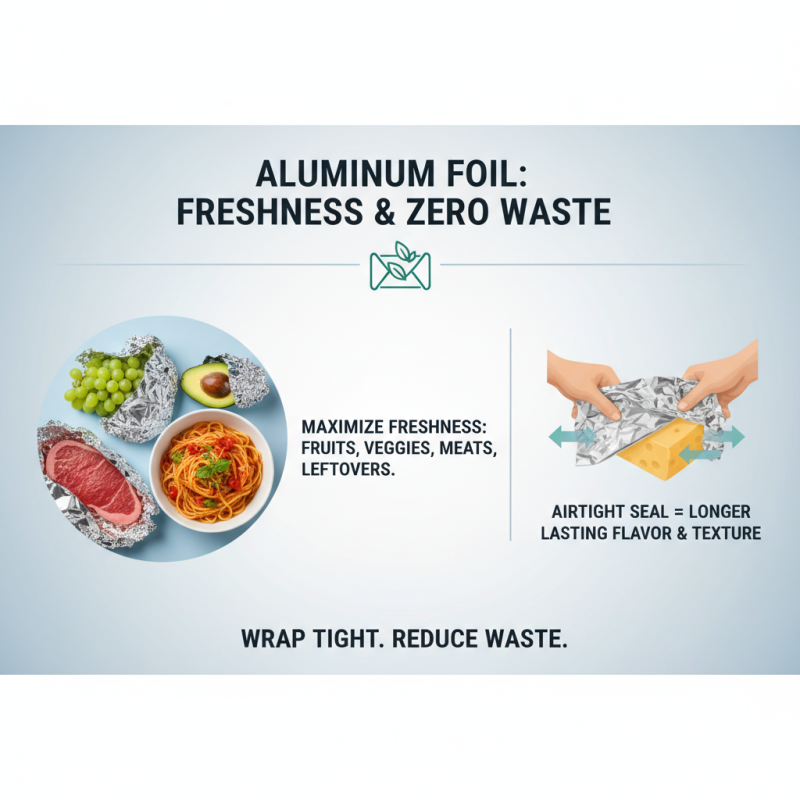
Aluminum foil is an incredibly versatile tool for food storage that can help maximize freshness and minimize waste in your kitchen. When properly wrapped, foods like fruits, vegetables, meats, and leftovers can maintain their quality for a longer period. To effectively use aluminum foil for food storage, it’s essential to wrap items tightly, ensuring there are no gaps for air to penetrate. The ability of aluminum foil to create an airtight environment helps preserve flavor and texture, making it a go-to choice for both short-term and long-term storage.
In addition to keeping food fresh, aluminum foil can also serve multiple purposes in the kitchen. For example, using foil to line pans not only makes cleanup easier but can also prevent food from sticking, thereby preserving its appearance and taste. Furthermore, wrapping delicate items like fish or herbs before storing them can shield them from moisture and odors, further enhancing their longevity. By employing these tips, you can maximize the effectiveness of aluminum foil in your kitchen, ensuring that your food not only lasts longer but also tastes better when you’re ready to enjoy it.
Eco-Friendly Practices: Recycling and Reusing Aluminum Foil Sheets
Aluminum foil sheets are a versatile tool in the kitchen, but their impact on the environment requires mindful practices in recycling and reusing them. According to a report from the Aluminum Association, recycling aluminum saves up to 95% of the energy required to create new aluminum from raw materials. This significant energy conservation emphasizes the importance of recycling aluminum foil sheets after use.
Once washed and dried, these sheets can be placed in your recycling bin instead of ending up in a landfill. It's essential, however, to check local recycling guidelines, as some regions have specific rules regarding aluminum foil.
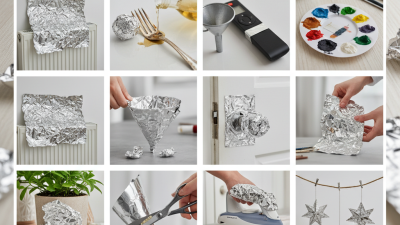
In addition to recycling, reusing aluminum foil is another eco-friendly practice. For instance, you can repurpose clean aluminum foil sheets to cover dishes, protect food during storage, or even create custom molds for cooking. A few tips for maximizing the life of your aluminum foil include using both sides of the foil - the shiny side for food that cooks at high temperatures and the dull side for dishes that require less heat. By adopting these practices, not only do you minimize waste, but you also contribute positively to your kitchen's sustainability. As many eco-conscious consumers are increasingly aware, even small changes can lead to a more sustainable lifestyle, creating a ripple effect in the fight against environmental degradation.
Safety Tips for Cooking with Aluminum Foil in the Kitchen
When using aluminum foil sheets in the kitchen, safety should always be a top priority. One important tip is to avoid direct contact between the foil and acidic foods. Ingredients like tomatoes or citrus can react with aluminum, potentially leaching into the food. To prevent this, consider lining your dishes with parchment paper before adding these foods or using a different type of cooking vessel.
Another crucial aspect of safety is ensuring that the foil is not torn or crumpled when cooking at high temperatures. Damaged foil can lead to food contamination and uneven cooking. For best results, use whole sheets and avoid sharp tools that might puncture the foil. Additionally, when wrapping food for cooking or storage, keep the shiny side facing in when cooking, as it reflects heat better and improves cooking efficiency.
Lastly, remember that aluminum foil should not be used in the microwave, as it can cause sparks and even fires. If you need to cover food in a microwave, opt for microwave-safe covers or plates instead. By following these simple safety tips, you can enjoy the benefits of using aluminum foil while keeping your kitchen safe.
Ultimate Tips for Using Aluminum Foil Sheets in Your Kitchen - Safety Tips for Cooking with Aluminum Foil in the Kitchen
| Tip Category |
Tip Description |
Safety Considerations |
| Cooking |
Use aluminum foil to wrap food for baking or grilling, ensuring even cooking. |
Avoid contact with acidic foods to prevent reactions. |
| Storage |
Use aluminum foil to cover dishes in the fridge for short-term storage. |
Ensure the foil does not touch food to avoid contamination. |
| Grilling |
Create packets with vegetables and protein for easy grilling. |
Make sure to poke holes in foil packets to allow steam to escape. |
| Cleaning |
Use scrunched foil as a scrub for tough baked-on stains in cookware. |
Be cautious as scrunched foil can scratch some surfaces. |
| Baking |
Line baking sheets with aluminum foil to reduce cleanup time. |
Ensure foil is well secured to prevent food sticking. |