Top 10 Tips for Sourcing Foil Paper for Food Packaging?
Sourcing the right foil paper for food packaging is crucial for maintaining freshness and quality. With the growing demand for sustainable and effective packaging, businesses must navigate the options carefully. Foil paper provides a barrier against moisture, light, and air, making it an ideal choice for various food items.
When sourcing foil paper for food, consider both functionality and compliance with safety standards. Not all foil papers are created equal. Some may contain harmful substances. Therefore, always verify the quality and certifications. This step is vital to protect consumers and maintain a brand's integrity.
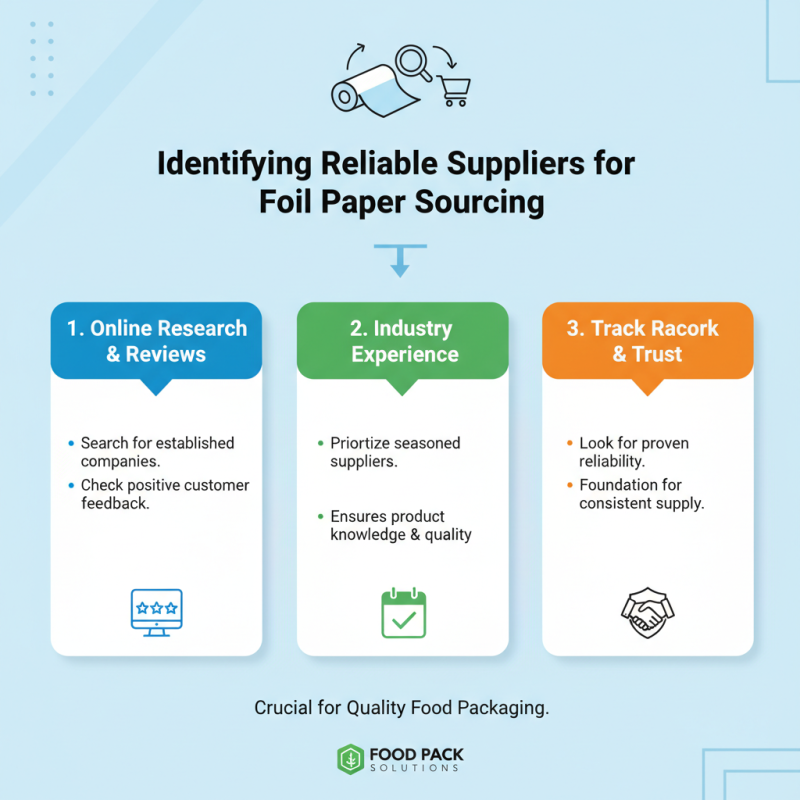
Moreover, it's essential to reflect on sourcing practices. While cost is a factor, prioritize suppliers who demonstrate expertise and a commitment to sustainability. Engaging with manufacturers that align with your values will foster a more reliable supply chain. Balancing quality, cost, and sustainability can be challenging, but these elements are fundamental in today's market.

Understanding the Different Types of Foil Paper for Food Packaging
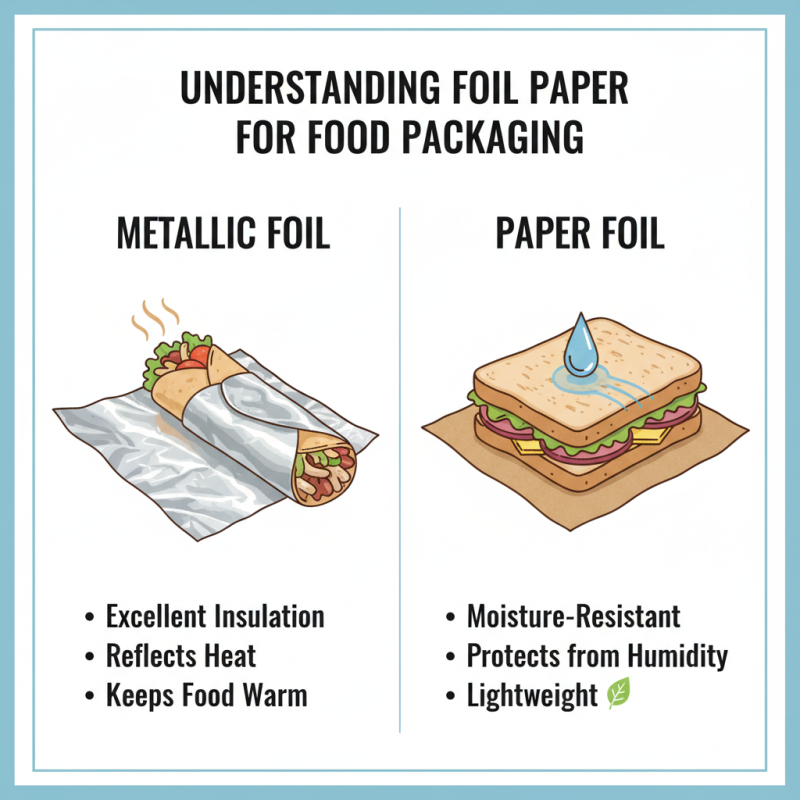
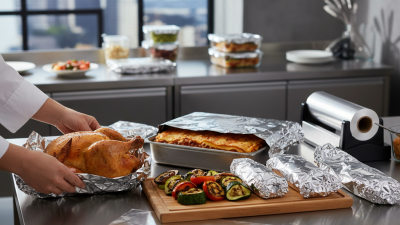
When sourcing foil paper for food packaging, understanding the types available is crucial. Different types serve varied purposes. For instance, metallurgy foil is excellent for insulation. It reflects heat and keeps food warm. In contrast, paper foil is moisture-resistant. It protects food from humidity while being lightweight.
When selecting foil paper, consider its thickness. A thicker foil can provide better protection but may cost more. A thinner alternative is suitable for lighter items. Always check for FDA approval. This ensures the foil is safe for food contact. Sometimes, suppliers may lack transparency about their products. It’s wise to ask questions.
Sourcing sustainably is important too. Eco-friendly options are gaining popularity. They reduce environmental impact and appeal to conscious consumers. When negotiating with suppliers, factor in quality and price. Balancing these elements can be challenging. Experience in handling different materials will aid in making informed decisions.
Evaluating Quality Standards and Compliance for Food Safety
When sourcing foil paper for food packaging, evaluating quality standards is crucial. Regulatory compliance ensures safety and protects consumers. According to the Food and Drug Administration (FDA), food packaging materials must meet strict safety criteria to prevent chemical migration. This highlights the need for rigorous testing during the sourcing process.
Moreover, a study by the European Food Safety Authority (EFSA) indicates that 20% of food-related illnesses are linked to packaging issues. This statistic emphasizes the importance of sourcing high-quality foil paper. Testing for heavy metals, Bisphenol A (BPA), and other toxic substances is essential. Visual inspections can also reveal defects that may compromise integrity.
Questions of reliability emerge when suppliers don't provide proper documentation. Certifications are key indicators of compliance with safety standards. Seeking transparency can mitigate risks. It's vital to remember that even minor lapses in quality can lead to significant health risks. Packaging should not merely look appealing; it must also ensure food safety.
Cost Considerations: Budgeting for Foil Paper Procurement
When considering foil paper for food packaging, cost is a crucial factor. Many manufacturers need to balance quality and price. The material’s thickness and type can greatly impact the overall budget. Investing in quality foil paper can ensure better food preservation and enhance presentation. However, it may come with a higher upfront cost.
It’s important to assess suppliers. Some may offer lower prices, but at what expense? Research potential providers carefully. Compare not just costs, but also reviews and reliability. Bulk purchasing can also lower unit prices. However, ordering large quantities carries its own risks. You might end up with excess inventory if demand fluctuates.
Additionally, keep an eye on shipping costs. These can eat into your budget quickly. Local suppliers can reduce shipping expenses. Yet, they may offer limited options. Make sure to analyze your specific needs thoroughly. Understanding the trade-offs between price and quality can lead to better long-term decisions.
Top 10 Tips for Sourcing Foil Paper for Food Packaging - Cost Considerations
Sustainability Practices in Foil Paper Sourcing and Usage
When sourcing foil paper for food packaging, sustainability should be a priority. Selecting eco-friendly materials can impact both the environment and brand reputation. Consider sourcing from suppliers who practice responsible forestry. This choice supports sustainable land use and helps reduce carbon footprint.
Implementing sustainable practices does not stop at sourcing. Evaluate the production processes. Using energy-efficient methods can significantly reduce waste and emissions. Look for manufacturers that invest in renewable energy. Enhancing the eco-friendliness of your supply chain demonstrates commitment to sustainability.
Tip 1: Always ask about the sourcing policies. Inquire how the foil is produced and where the materials come from. Transparency is vital.
Tip 2: Don't ignore recycling options. Foil paper can often be recycled if processed correctly. Incorporate recycling symbols on packaging to educate consumers.
Tip 3: Test different materials. Some foil alternatives may perform as well while being more sustainable. Embrace ongoing experimentation in sourcing strategies. Balancing sustainability with functionality can be challenging, yet necessary.