Top Planetary Mixer Concrete for Global Buyers Guide?
In the ever-evolving construction industry, the demand for superior mixing technology is paramount. "Planetary Mixer Concrete" systems are gaining traction among manufacturers and builders worldwide. According to a recent report by Market Research Future, the global market for planetary concrete mixers is expected to witness substantial growth, projected to reach $2 billion by 2025. The efficiency and performance of these mixers are often highlighted by industry experts.
Dr. Alex Johnson, a noted authority in concrete technology, emphasizes, "The precision and uniformity that planetary mixers provide are unmatched." This statement underscores the importance of such mixers in ensuring consistent quality in concrete production. The versatility of planetary mixers allows for various applications, from small-scale projects to large industrial endeavors.
As the competition stiffens, not all mixers live up to their promises. Buyers must tread carefully. A thorough evaluation of suppliers and models is essential before making a decision. Investing in the right planetary mixer can significantly influence project outcomes, but careful consideration of features and capacities is critical.
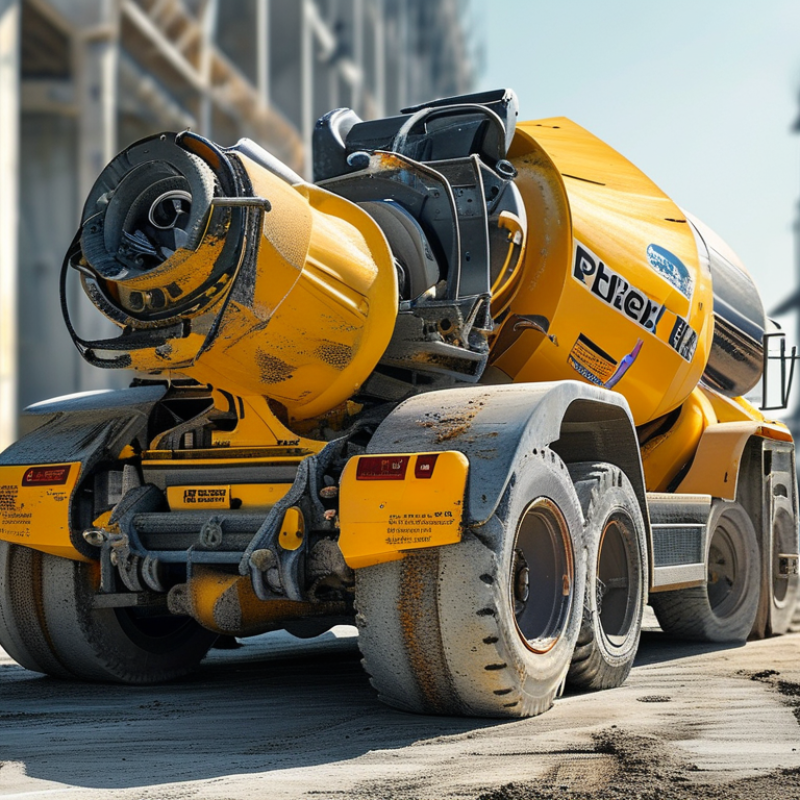
Understanding Planetary Mixers: Definition and Functionality
Planetary mixers play a crucial role in the concrete production process. They offer unique functionalities that ensure a homogenous mixture of materials. Unlike traditional mixers, planetary mixers have mixing arms that rotate around a central axis while also revolving around the bowl. This dual movement provides uniform mixing, which is essential for high-quality concrete.
Recent industry reports indicate that the global demand for efficient concrete mixers has surged by over 30% in the past five years. The adoption of planetary mixers is central to this trend. Their ability to mix a variety of materials, including additives and aggregates, means that they cater to diverse construction needs. Moreover, these mixers can handle varying batch sizes, making them flexible for both large and small-scale projects.
Despite their advantages, some users report challenges with maintenance and cleaning. The complex design can make accessing certain parts difficult. It’s important to invest time in proper upkeep to ensure longevity. Furthermore, while planetary mixers provide excellent results, costs can be a concern for smaller contractors. Balancing quality with budget constraints remains an ongoing struggle. Understanding these aspects can help buyers make more informed decisions.
Key Features of Top Planetary Mixers in Concrete Production
In the concrete production industry, choosing the right planetary mixer is crucial. These mixers offer superior mixing quality, ensuring uniformity in concrete batches. One key feature is their multi-directional mixing action. This design enhances ingredient integration, resulting in a smoother and more consistent mixture. The planetary motion allows for effective mixing of dense materials, which is essential in concrete production.
Another notable aspect is the construction material. High-quality steel components provide durability and resistance to wear. Some mixers also feature easy-to-clean designs, which can save time during maintenance. The control systems in modern mixers have evolved, allowing for precise adjustments of speed and mixing time. This flexibility is significant, as different projects may require specific conditions.
However, potential buyers should consider their unique needs. The capacity of a mixer must align with production goals. Indirect costs such as energy consumption can also impact overall efficiency. It’s crucial to research and evaluate options carefully. Not all mixers suit every application. While some features may seem advantageous, they should fit within the operational context to enhance productivity.
Factors to Consider When Choosing a Planetary Mixer
When selecting a planetary mixer for concrete production, several factors must be considered. Understanding the application's specific needs is vital. For instance, mixing capacity is a key consideration. According to market reports, the global construction industry is projected to reach $15 trillion by 2030, driving the demand for efficient mixing equipment.
The choice of mixer design can significantly affect performance. A well-designed mixer ensures uniform consistency and reduces mixing time. Industry studies indicate that a properly calibrated planetary mixer can improve overall productivity by 20% compared to traditional mixers. This improvement is crucial for businesses aiming to meet increasing demands without compromising quality.
It's also essential to evaluate the material of the mixer. High-quality steel or stainless steel options often provide better durability. However, weight and maintenance aspects must not be overlooked. While heavier mixers may offer stability, they can burden transportation logistics. Balancing between durability and operational efficiency requires careful analysis.
Leading Brands in Planetary Mixers for Global Buyers
When selecting a planetary mixer for concrete production, buyers face a variety of options. Understanding the leading brands is essential. Different brands embody unique features, performance levels, and customer support strategies. It’s critical to assess what each brand offers in terms of reliability and durability. A well-constructed mixer can endure heavy use and provide consistent results.
Many brands have established themselves in the global market. Some offer advanced technology that enhances mixing efficiency. These mixers often include innovative features like programmable settings or energy-saving modes. However, not all mixers deliver the promised performance. Prospective buyers should analyze user reviews and expert recommendations to make informed decisions.
Visiting trade shows or exhibitions can provide additional insights. Observing mixers in action helps buyers gauge their effectiveness. Consulting industry experts or experienced users can clarify doubts. Each choice carries potential risks. Balancing the cost against the expected outcomes is crucial. A thorough investigation often reveals a mix of reliable and subpar choices, emphasizing the importance of careful evaluation.
Maintenance and Care Tips for Optimal Mixer Performance
Maintaining a planetary mixer is crucial for ensuring its longevity and optimal performance. Regular cleaning after each use is essential. Concrete residue can harden and cause damage if not removed promptly. Inspect the mixing bowl, paddles, and other parts for any signs of wear or corrosion. Addressing these issues early on can save you from costly repairs down the line.
Lubrication is another vital aspect of maintenance. Ensure that gears and moving parts are adequately lubricated to prevent friction-related damage. Always use the recommended lubricant types for your specific model. It’s important to avoid over-lubrication, as this can attract dust and debris, ultimately impacting performance.
Conducting periodic checks can help catch small issues before they become severe. Keep an eye on electrical connections and wiring for any signs of wear. If something seems off, consult a professional. Reflecting on these maintenance practices can instill a greater sense of responsibility in owners. Emphasizing routine care can lead to more reliable operation and ultimately a better mixing experience.