How to Use Tin Foil in Cooking and Food Storage Tips?
When it comes to cooking and food storage, the versatility of tin foil is unmatched. Expert chef Jamie Gold, a well-known authority in the culinary world, emphasizes, “Tin foil is a kitchen staple that enhances food preparation and preserves freshness.” This simple material can be used for wrapping, baking, or even grilling.
Many home cooks often underestimate the benefits of tin foil. It can keep food moist during cooking and make cleanup a breeze. However, some may overlook its potential for food storage, which can lead to wasted leftovers. Properly wrapping food in tin foil can prolong its shelf life and maintain flavor.
Despite its convenience, using tin foil comes with a few considerations. Overusing it can contribute to environmental issues. Additionally, not all foods react well with tin foil. Understanding the dos and don'ts of tin foil can elevate your culinary experience.
Benefits of Using Tin Foil in Cooking and Food Storage
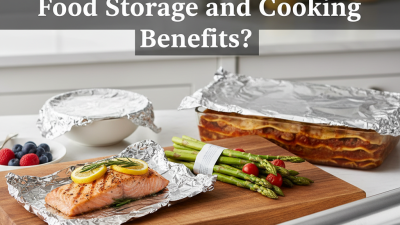
Tin foil is a versatile kitchen tool that many people overlook. It serves multiple purposes in cooking and food storage. One of the primary benefits is its ability to trap moisture. This is especially useful when roasting vegetables or meats, as it locks in heat and flavor. Wrapping food in tin foil can create a steaming effect, making dishes more succulent.
In food storage, tin foil offers an effective barrier against air. It prevents freezer burn and keeps leftovers fresh longer. Many home cooks use it to line baking sheets, simplifying the cleanup process. However, one should be cautious when using tin foil with acidic foods. The interaction can lead to a metallic taste, altering the dish's flavor. This is a common mistake that can be avoided with awareness.
Using tin foil can also have environmental effects. Disposing of it improperly can contribute to waste. So, consider reusing or recycling when possible. While tin foil is a handy tool, it's essential to reflect on how its use impacts both the dish and the environment. Proper usage can elevate cooking and storage experiences, but it requires mindful practices.
Best Practices for Food Wrapping Techniques with Aluminum Foil
Aluminum foil is a versatile tool in the kitchen, ideal for both cooking and food storage. When wrapping food, it’s essential to consider the shiny and dull sides of the foil. The shiny side reflects heat, making it better for cooking. Use the shiny side facing the food when baking or roasting to enhance heat retention. For marinated ingredients, the dull side can make it easier for spices to adhere.
When it comes to food wrapping techniques, applying a few best practices can help achieve better results. Start with clean, dry hands for hygiene. Tear off a piece of foil that’s large enough to completely cover the food. Fold the edges tightly to ensure there are no gaps. This prevents air from entering, which can lead to freezer burn. If sealing airtight, consider double-wrapping for items that will be stored longer.
Not all foods react well to aluminum foil. Acidic foods, like tomatoes or citrus, can cause the foil to break down and alter the flavor. Using parchment paper as a barrier can help in these cases. Reflecting on your use of aluminum foil may lead to better choices in your cooking and storage methods. Experimenting with different techniques can also reveal what works best for you.
Aluminum Foil Usage in Cooking and Food Storage
Temperature Resistance and Safety Profiles of Aluminum Foil in Cooking
Aluminum foil is widely used in cooking due to its unique properties. One key aspect is its temperature resistance. It can withstand extreme temperatures, from freezing to high-heat cooking. Studies show aluminum foil can handle temperatures up to 1,200°F (649°C). This makes it suitable for roasting, baking, and even grilling. However, improper use can result in potential risks, such as leaching aluminum into food. Research indicates that acidic or salty foods stored in foil may increase this leaching.
When using aluminum foil for food storage, understanding its safety profile is essential. The U.S. Food and Drug Administration (FDA) considers aluminum foil safe for food contact. However, it is crucial to avoid direct contact with high-acid foods, which can cause a reaction. Additionally, studies suggest that while small amounts of aluminum are generally not harmful, excessive long-term exposure may pose health risks.
Evaluating the balance between safety and convenience is important. Using aluminum foil can simplify cooking and storage. Nevertheless, cooking with foil requires mindfulness, especially for vulnerable populations like pregnant women and young children. Opting for alternatives, such as glass containers or parchment paper, can be beneficial in certain situations.
How to Use Tin Foil in Cooking and Food Storage Tips
| Tip |
Description |
Temperature Resistance |
Safety Profile |
| Cooking |
Use to wrap meat and vegetables for roasting or grilling. |
Up to 600°F |
Generally safe for cooking, but avoid direct contact with acidic foods. |
| Food Storage |
Great for wrapping leftovers to keep them fresh and prevent freezer burn. |
Freezer safe up to -40°F |
Non-toxic, but should not be used in microwave without special precautions. |
| Baking |
Line baking sheets to prevent sticking and for easy cleanup. |
Up to 600°F |
Safe for baking, ensure it doesn’t touch heating elements. |
| Shielding |
Use to shield foods from browning too quickly in oven. |
Up to 600°F |
Safe to use, but avoid contact with open flames. |
| Wrap for Grilling |
Wrap delicate foods like fish to prevent them from falling apart. |
Up to 600°F |
Safe for grilling; ensure foil is tightly wrapped to secure food. |
Environmental Considerations: Recycling and Reusing Tin Foil
Tin foil is a common household item. Many people use it for cooking and food storage. However, its environmental impact is often overlooked. Recycling and reusing tin foil can help reduce waste significantly.
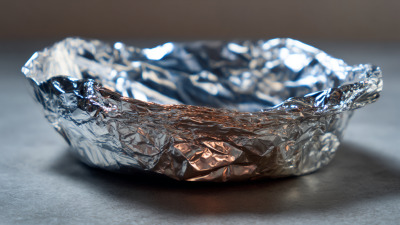
Many might throw away used tin foil after one use, but this is not necessary. If the foil is clean and free from food residue, it can be washed and reused. This simple step saves resources and cuts down on landfill waste. You can even crumple it into a ball for various uses, from scrubbing to supporting food in the oven.
Consider the importance of recycling tin foil properly. Clean, dry foil can be placed in metal recycling bins. Many local programs accept it, but always check first. Remember, not all foil is recyclable if it contains food or grease. Taking these actions fosters a more sustainable approach to cooking and food storage.
Comparative Analysis of Aluminum Foil Versus Other Food Storage Materials
Aluminum foil stands out as a versatile option for food storage. A report from the Food Packaging Association indicates that aluminum foil's barrier properties effectively protect food from light, moisture, and air. This can extend the shelf life of foods by up to 50%. Additionally, aluminum foil helps maintain food temperature, making it an excellent choice for both cooking and storage.
In contrast, alternatives like plastic wrap and wax paper often fall short in providing the same level of protection. A study published in the Journal of Food Science revealed that plastic can leach harmful chemicals into food when heated. Further, wax paper lacks the airtight seal necessary for preserving freshness. This makes aluminum foil a superior choice in many scenarios, especially when cooking at high temperatures.
However, there are drawbacks to consider. Aluminum production has a significant carbon footprint. The energy required for extraction and processing is high. Users should weigh the environmental impact against the benefits. Reflecting on these factors encourages more mindful choices. In cooking, optimizing storage methods alongside environmental considerations can lead to better outcomes for our health and the planet.