What is Print Inspection and How Does it Work?
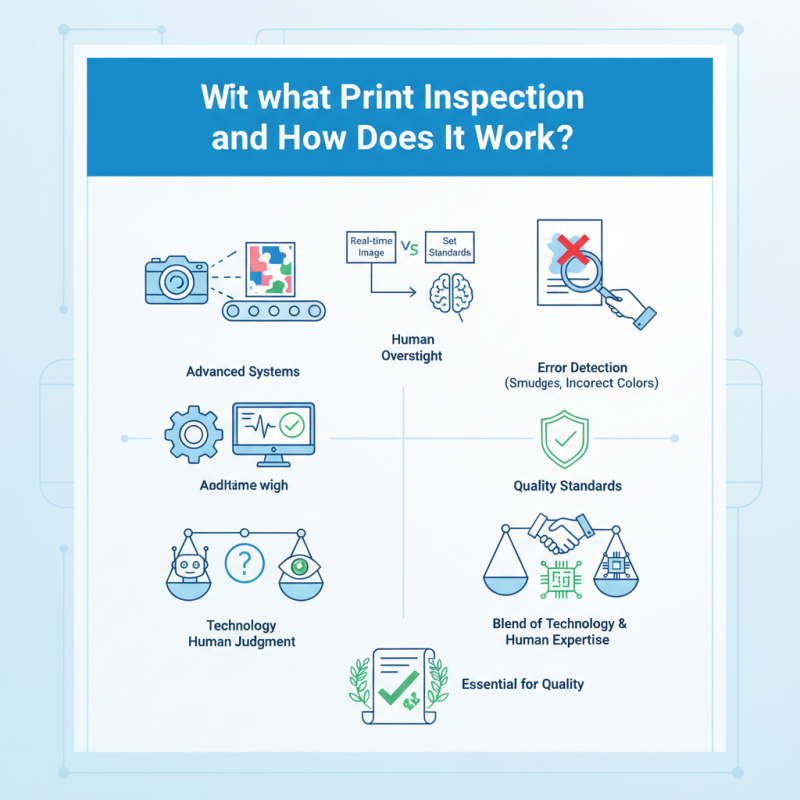
Print Inspection is a vital process in the printing industry. It ensures that every printed piece meets quality standards. This method detects errors that can affect the final product. It safeguards against defects like smudges and incorrect colors. Without effective Print Inspection, businesses risk delivering subpar materials to clients.
The technology behind Print Inspection is fascinating. Advanced systems use cameras and sensors to analyze prints. They compare real-time images against set standards. This automated process boosts efficiency and accuracy. However, it raises questions about dependence on technology. Can it replace human oversight? There are inherent challenges in relying solely on machines.
Print Inspection does not guarantee perfection. Despite technology’s advancements, human judgement is still crucial. Mistakes can still slip through, reminding us of our limitations. A blend of technology and human expertise might be the best approach. Ultimately, Print Inspection remains an essential aspect of ensuring quality in every print job.
What is Print Inspection?
Print inspection is a crucial process in the printing industry. It ensures that printed materials meet quality standards. This involves checking for defects such as ink smudges, misalignment, and color variations. The goal is to catch errors before products reach the consumer.
During print inspection, operators may use both manual and automated methods. Manual inspection often relies on human eyes to spot flaws. However, this can be inconsistent. Fatigue and inexperience may lead to missed defects. Automated systems, on the other hand, utilize cameras and software to detect issues. Yet, these systems require regular calibration to function correctly.
While print inspection aims for perfection, achieving it is challenging. Even with technology, some errors can slip through. Quality control isn't just a checklist; it demands continuous improvement. Every inspection may reveal new issues that need addressing. Striving for better practices can enhance the overall quality of printed products.
The Importance of Print Inspection in Quality Control
Print inspection plays a crucial role in quality control across various industries. It ensures that printed materials meet established standards. According to a recent industry report, up to 30% of print jobs suffer from significant quality issues. This statistic highlights the need for rigorous inspection processes.
Effective print inspection helps identify defects early. Common issues include misalignment, color discrepancies, and ink smudging. A survey showed that 60% of printing companies experience challenges due to these factors. When these issues are not caught, they can lead to wasted resources and dissatisfied customers. Failing to address these problems can harm a company’s reputation.
Human inspection is still prevalent, but technology is changing the game. Automated print inspection systems can detect flaws with high accuracy. These systems often reduce inspection time by 40%. Yet, adoption is slow; some companies are hesitant to invest. It's vital for organizations to reflect on their current practices and seek improvements. Quality control is not just about catching errors; it's about building a reliable brand that customers trust.
What is Print Inspection and How Does it Work? - The Importance of Print Inspection in Quality Control
| Inspection Method | Description | Advantages | Challenges |
| Visual Inspection | Manual checking of printed materials for defects. | Simple, cost-effective, no need for specialized equipment. | Subjective and prone to human error. |
| Automated Vision Systems | Using cameras and software to detect print quality issues. | High accuracy, can handle large volumes, reduces human error. | Higher initial setup cost, requires maintenance. |
| Color Measurement | Using colorimeters to ensure color consistency in prints. | Provides objective data on color accuracy. | Requires calibration of devices, can be costly. |
| Thickness Measurement | Measuring the thickness of printed materials to ensure quality. | Ensures product durability and consistency. | Requires specialized equipment, can slow down the process. |
How Print Inspection Technology Works
Print inspection technology plays a critical role in quality control. It involves scrutinizing printed materials for defects and discrepancies. This ensures that the final products meet required standards. According to recent industry reports, about 23% of printed products fail to meet quality criteria due to human errors and inadequate inspection methods.
Modern print inspection utilizes advanced techniques such as machine vision. Cameras scan printed surfaces at high speeds. They compare the output against set parameters. This process identifies issues like misprints, color variations, or structural damages. Studies indicate that integrating AI can enhance defect detection by more than 30%.
However, challenges still exist. Some technologies struggle to adapt to various substrates and printing processes. Furthermore, the reliance on automated systems can lead to oversight. Insufficient training on these systems can result in missed defects. Operators may become complacent, relying too much on technology.
Inadequate understanding can undermine the technology's effectiveness. The industry must strive for a balance between innovation and human expertise to achieve optimal outcomes.
Types of Print Inspection Systems in Use
Print inspection is a critical aspect of the printing industry. Various types of print inspection systems are utilized to ensure quality and compliance with standards. One common type is the inline inspection system. This system operates during the printing process, checking for defects in real time, allowing for immediate corrections.
Another type is offline inspection systems, which analyze printed materials after production. These systems rely on manual checks or semi-automatic methods. While useful, they can be time-consuming and may miss some defects. Advanced technologies like camera-based systems are also popular, offering high precision and the ability to identify even the smallest errors.
Despite the advancements, challenges remain. Variability in print jobs can lead to inconsistencies. Environmental factors like lighting may affect inspection results. There is often a fine line between detecting flaws and excessive scrutiny. Balancing accuracy and efficiency is key. It’s essential for printers to evaluate their inspection systems regularly to improve processes.
Common Challenges in Print Inspection and Solutions
Print inspection plays a crucial role in ensuring quality. However, it is not without challenges. One common issue is data inconsistency. Incomplete data can lead to errors in quality control. It results in poorly printed materials or even wasted resources. Addressing this requires robust data management strategies. Regular audits can help maintain data integrity.
Another challenge in print inspection is equipment failure. Machines often undergo wear and tear. This can affect their performance. Regular maintenance schedules can mitigate this risk. Investing in high-quality inspection technology is also essential. Still, even with the best equipment, flaws can slip through unnoticed.
Human error remains a persistent problem. Inspectors can overlook defects due to fatigue or lack of training. Continuous education and fatigue management strategies can help reduce mistakes. Encouraging a culture of quality awareness among staff promotes careful inspection. Despite advancements, flaws can never be entirely eliminated. Reflecting on these challenges helps improve processes over time.
Print Inspection Accuracy Levels
This bar chart represents the frequency of common issues encountered during print inspection. The data indicates the number of defects observed in print quality, highlighting areas where improvements can be made to enhance overall print reliability.