What are Gestation Stalls and Their Benefits for Farmers?
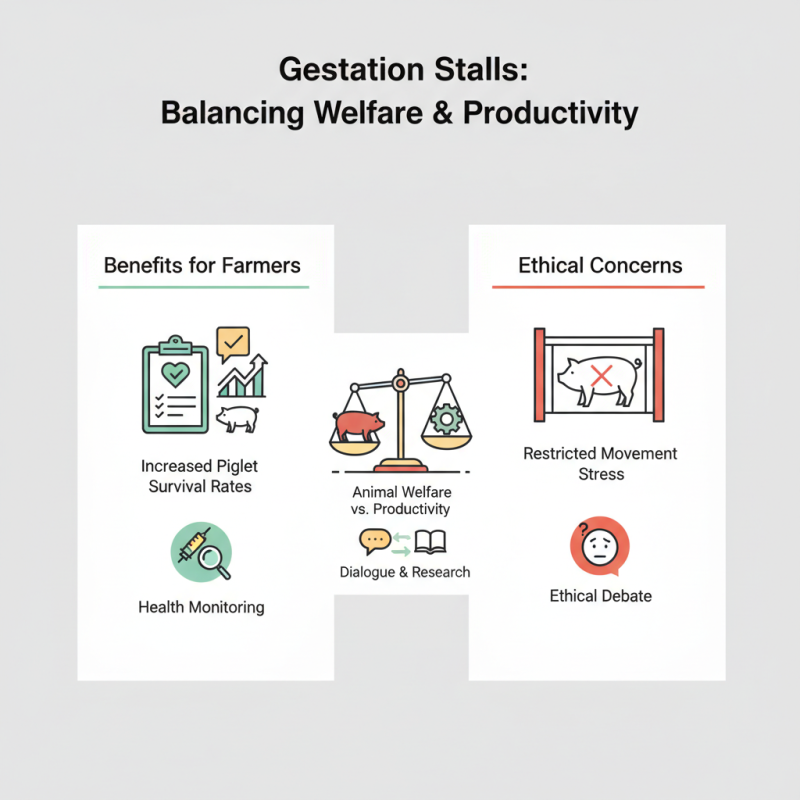
Gestation Stalls are a controversial topic in modern farming. They are designed to house pregnant sows in confined spaces. By utilizing these stalls, farmers can closely monitor the health of their animals. Dr. Emily Johnson, a swine veterinarian, emphasizes this benefit, stating, “Gestation stalls allow for individualized care, which is critical for the well-being of the sow and her future piglets.”
While gestation stalls offer advantages, they also raise ethical concerns. Critics argue that these stalls restrict natural behaviors. Sows in gestation stalls cannot turn around or move freely. This confinement can lead to stress and health issues. Farmers need to weigh these factors carefully. Proper management and design can alleviate some concerns.
Farmers face challenges in balancing animal welfare with productivity. The efficiency of gestation stalls can lead to increased piglet survival rates. However, this must be matched with humane treatment. Continuous dialogue and research are essential. Understanding the complexities of gestation stalls helps in making informed decisions for the future of farming.
What are Gestation Stalls?
Gestation stalls are confined spaces used to house pregnant sows during their gestation period. These stalls provide a defined area where each sow can be monitored closely. Ideally, the design aims to reduce stress on the animals, ensuring they have a safe environment. However, opinions on this practice vary widely.
Farmers argue that gestation stalls help maintain the health of the animals and their future offspring. They prevent aggression and competition among sows that could lead to injuries. The individual space allows for efficient feeding and management of the animals. Farmers can control food intake and monitor weight gain closely. However, critics highlight concerns about animal welfare. The limited movement can lead to physical and psychological stress, raising ethical questions about confinement.
Moreover, the use of gestation stalls could lead to a debate on farming practices. Some studies show that sows benefit from more space and social interaction. This contradicts the benefits claimed by stall advocates. The challenges reflect a complex dilemma in the agricultural sector. Balancing animal welfare with productivity remains a topic for ongoing discussion.
The Design and Structure of Gestation Stalls
Gestation stalls are specialized structures designed for pregnant sows. These stalls provide a controlled environment for the animals during gestation, improving their health and welfare. The design typically includes individual pens that allow sows to lie down comfortably while minimizing stress. This confinement can lead to more efficient feeding and less competition for resources.
One key aspect of gestation stall design is the space allocation. Each stall should offer enough room for the sow to stand, lie, and turn. However, overcrowding can lead to stress and health issues. Farmers need to balance space with the number of animals they manage. Investing time in planning the layout can enhance animal welfare and productivity.
Tips: Consider regular assessments of stall conditions. Monitoring air quality and light can also improve the environment. Always evaluate the sows' behavior for signs of stress. Small changes can lead to significant benefits. Keep in mind that a well-designed stall might not be perfect. It's essential to continually adapt and improve based on the needs of the animals.
Advantages for Farmers Using Gestation Stalls
Gestation stalls are specialized enclosures used in farming to house sows during their pregnancy. These stalls provide a controlled environment where farmers can monitor the health of the animals closely. One significant benefit is improved animal welfare. Farmers can ensure sows receive proper nutrition and care, preventing competition for food and stress. These benefits can lead to healthier litters and higher survival rates.
Another advantage of using gestation stalls is the efficiency of space. Farmers can manage more animals in a smaller area, optimizing land use. This structure protects sows from injury and aggression from other pigs. However, some argue that stalls limit natural behavior. Finding a balance between productivity and animal welfare remains crucial.
Using gestation stalls can reduce veterinary costs due to lower disease transmission. A healthier herd results in improved overall productivity. Farmers can track reproductive cycles more accurately, leading to better breeding outcomes. While there's plenty of debate surrounding animal housing methods, the efficiency and health benefits cannot be ignored. Each farm must weigh these factors carefully to make informed choices.
Benefits of Gestation Stalls for Farmers
Impact on Animal Health and Welfare
Gestation stalls are individual enclosures used in livestock farming, primarily for pregnant sows. These stalls keep animals in designated spaces to ensure safety and easy management. However, the impact of these stalls on animal health and welfare has sparked considerable debate.
Research indicates that gestation stalls can lead to stress in sows. A report by the Animal Welfare Institute highlights that these enclosures restrict movement, which may result in physical health issues. For instance, sows may develop muscle atrophy and leg problems due to limited space. Stress also negatively impacts reproductive performance, reducing birth rates and overall herd productivity.
**Tips**: Ensure regular monitoring of animal behaviors in gestation stalls. Early identification of stress symptoms can lead to better animal management practices.
Furthermore, long-term use of gestation stalls raises ethical concerns. The Humane Society International reports that stress hormones, like cortisol, often increase in confined animals, which can affect their well-being. While these stalls allow for efficient farming practices, the mental health of the animals must also be prioritized.
**Tips**: Consider alternative housing systems that allow for more movement and social interaction. This may improve both animal welfare and farm productivity in the long run.
What are Gestation Stalls and Their Benefits for Farmers? - Impact on Animal Health and Welfare
| Dimension | Description | Data |
| Facility Size | Average space allocated per sow | 24 square feet |
| Health Benefits | Reduction in disease transmission | 30% lower incidence of morbidity |
| Stress Levels | Impact on sows' stress during gestation | 20% reduction in stress indicators |
| Litters Size | Average number of piglets per litter | 12 piglets |
| Feeding Efficiency | Feed conversion ratio during gestation | 3.6:1 |
| Welfare Concerns | Controversies surrounding the use of stalls | 50% of consumers express concerns |
Regulatory Considerations and Public Perception
Gestation stalls have become a focal point in the agricultural sector. Farmers value them for their role in effectively managing breeding sows. These stalls allow farmers to monitor health and nutrition closely. This is not without controversy, though. Many animal rights advocates argue that these stalls restrict natural behaviors, which raises ethical concerns.
Public perception is evolving. More consumers are advocating for animal welfare. This shift influences regulations. Some states have implemented stricter guidelines for the use of gestation stalls. Farmers need to adapt to these changing views. Engaging with the community can foster trust and transparency.
Tips: Consider providing open tours of your farm. This can demystify practices and build rapport with consumers. Planting seeds of understanding about the farming process can have a positive impact. Transparency can help shift negative perceptions into constructive conversations. Also, staying informed about changing regulations is vital. Engage with local advocacy groups. This enhances credibility and shows commitment to animal welfare.