How to Choose Industrial Magnetic Hooks at the 2026 Canton Fair?
When exploring the vast offerings at the 2026 Canton Fair, understanding how to choose an industrial magnetic hook is essential. With the fair taking place from April 15 to May 5, this event showcases various sectors, including advanced manufacturing and home goods. The introduction of AI-powered tools will enhance your experience, allowing quick searches for certified suppliers.
The industrial magnetic hook stands out due to its versatility. These hooks are widely used in warehouses, workshops, and even home settings. Selecting the right one involves considering factors like weight capacity and material quality. However, the multitude of options can be overwhelming. Features you may want to explore include corrosion resistance and ease of installation.
Reflecting on personal experiences can guide your choice effectively. Many buyers overlook the importance of supplier certification, assuming all products meet safety standards. Remember, not all hooks are created equal. Taking time to assess your specific needs will help you avoid potential mishaps. Embrace this opportunity at the fair to make informed decisions about industrial magnetic hooks for your projects.
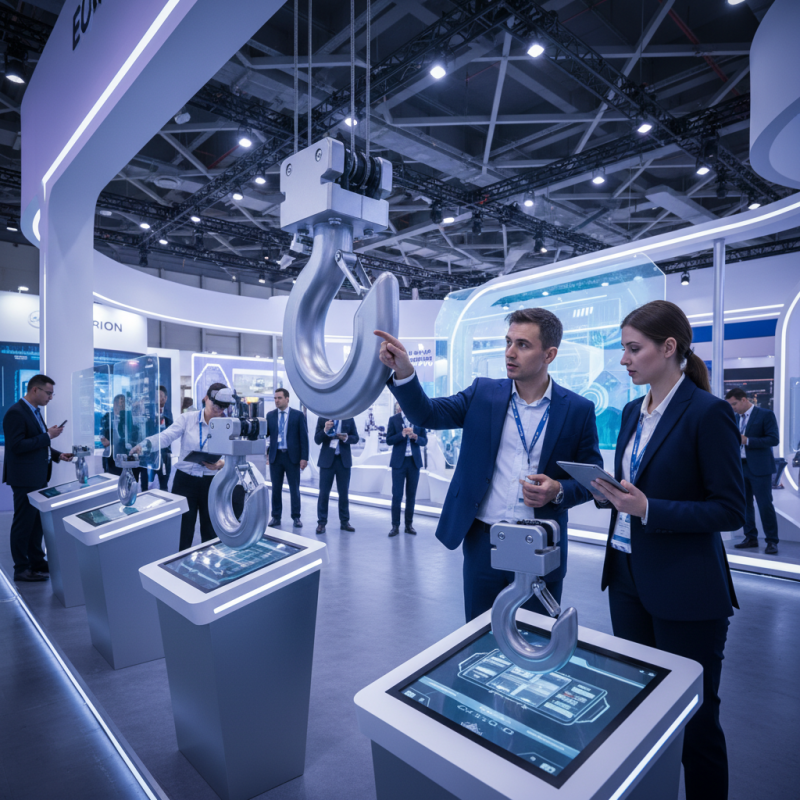
Choosing the Right Magnetic Hook Type for Industrial Applications
When selecting magnetic hooks for industrial applications, consider the specific use case and environment. Different types of magnetic hooks serve various purposes. For instance, heavy-duty hooks are ideal for lifting significant weights, while smaller hooks might work for lighter tasks. According to a recent industry report, almost 40% of companies face challenges in choosing the right hooks due to a lack of detailed specifications.
Tips: Assess the core requirements first. Define the weight limits and choose accordingly.
Another factor to explore is the surface type. Smooth, ferrous surfaces create a secure grip. Rough or uneven surfaces may undermine the hook’s strength. The magnetic force diminishes significantly on non-ferrous materials. A study indicated that the misuse of magnetic hooks led to over 15% failure rates in projects.
Tips: Always test the hooks before extensive use. A small trial can save time and costs in the long run.
Consider environmental factors too. Temperature fluctuations and exposure to moisture can affect magnetism. Choose hooks designed for specific environments to ensure durability. Regular inspections are essential. It's a step frequently overlooked, yet it ensures safety and operational excellence.
Understanding Load Ratings for Industrial Magnetic Hooks
Choosing industrial magnetic hooks can be overwhelming, especially when considering load ratings. Each hook has a specified weight limit. Understanding this limit is crucial for safety and efficiency. A hook rated for 25 pounds might not hold 30 pounds reliably. You want to ensure it can manage your needs effectively.
Take time to check the load ratings on the hooks. Sometimes, manufacturers will list optimal conditions. This means the weight is based on ideal settings. If you use the hook in unfavorable conditions, it may not perform as expected. This is something many overlook.
Visualize your setup. Are you hanging tools or heavy materials? How will the environment affect the hook's performance? Humidity, temperature, and surface type all play roles. If you're not considering these factors, you might face challenges down the line. Adapting your choices can save you from unforeseen problems. Keep these details in mind when navigating the fair and comparing products.
Evaluating Material Capacities and Corrosion Resistance
When selecting industrial magnetic hooks, evaluating material capacities and corrosion resistance is crucial. Different environments can impact the durability of these hooks. For instance, hooks used in coastal areas face harsher conditions than those in dry locations. The best options should withstand moisture, salt, and other elements without degrading.
Tips: Consider the hook’s coating. Some materials resist rust better than others. Stainless steel is often a reliable choice. Pay attention to the thickness of the coating, as thinner layers may wear off faster.
Material choices can also affect load capacity. A lightweight hook might not hold heavy items. Always check weight ratings for safety. Keep in mind, hooks may lose strength over time due to wear or exposure.
Tips: Test the hooks before buying them in bulk. Ask for sample products. Practical experience is invaluable. Don't assume all hooks will perform the same under pressure or extreme conditions. Always have a backup plan.
How to Choose Industrial Magnetic Hooks at the 2026 Canton Fair
This chart illustrates the evaluation of different materials used for industrial magnetic hooks, focusing on their weight capacities and corrosion resistance. The data represents three common materials: Stainless Steel, Neodymium, and Aluminum.
Analyzing Size and Design Considerations for Optimal Performance
Choosing industrial magnetic hooks involves careful attention to size and design considerations. You want hooks that fit your specific needs. The size of each hook should match the weight and dimensions of the items you plan to hang. If the hook is too small, it may not hold securely. Conversely, larger hooks can be bulky and cumbersome.
When it comes to design, consider the magnetic strength. Stronger magnets provide better support but may be more challenging to remove. Hooks with a slick finish can prevent scratches on your items. Ensure the design complements your workspace, both aesthetically and functionally.
Tips: Always test the hook with a weight similar to what you plan to hang. Observe how it holds up over time. Think about whether an angled design might be more suited for your needs. If you notice any slippage, analyze why and adjust your choice accordingly. Choosing the right size and design can greatly improve your experience with magnetic hooks.
Comparing Price Points and Manufacturer Certifications at the Fair
Choosing industrial magnetic hooks at the 2026 Canton Fair can be an exciting yet challenging experience. Price points vary greatly among different manufacturers. You may spot hooks ranging from a few dollars to over fifty. It’s essential to evaluate what you are paying for. Consider the materials used and the load-bearing capacity. A lower price doesn’t always mean inferior quality, but it could lead to unexpected issues later.
Manufacturer certifications also play a crucial role. Many exhibitors will proudly display their certifications for quality and safety. However, not all certifications guarantee reliability. Some might be outdated or not widely recognized. Check the details closely and confirm their validity. Questions about the production process can reveal valuable information about the manufacturer’s standards.
While exploring the fair, don’t hesitate to ask for samples. Testing the hooks in person can provide insights you wouldn’t get from brochures. Patience is key; rushing through may result in choosing the wrong products. Take your time to compare options thoroughly and reflect on what fits your needs best. Being meticulous about price and certification can save you headaches later on.
How to Choose Industrial Magnetic Hooks at the 2026 Canton Fair? - Comparing Price Points and Manufacturer Certifications at the Fair
| Category | Price Range ($) | Certification Status | Weight Capacity (lbs) | Material Type |
| Standard Magnetic Hook | 5 - 15 | ISO 9001 | 10 | Steel |
| Heavy-Duty Magnetic Hook | 20 - 40 | CE, RoHS | 50 | Aluminum |
| Mini Magnetic Hook | 3 - 10 | None | 5 | Plastic |
| Industrial Magnetic Hook | 30 - 60 | ISO 14001 | 100 | Nickel-Plated Steel |
| Outdoor Magnetic Hook | 15 - 35 | IP67 | 30 | Stainless Steel |