How to Choose the Best Aluminium Foil Container for Your Needs
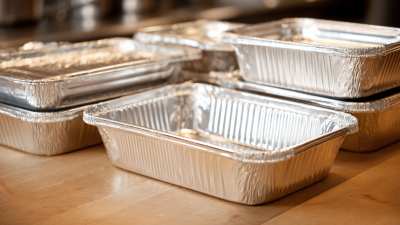
When considering the best aluminium foil container for your needs, several factors come into play. These containers serve various purposes, from food storage to catering. They are lightweight, versatile, and often disposable, making them convenient for many users.
Choosing the right aluminium foil container is not always straightforward. You might struggle to find the perfect size for your dishes. Some containers may not be as sturdy as you'd hope, leading to messy leaks. It's essential to reflect on what you will use these containers for. Are you prepping meals? Or perhaps baking?
Moreover, not all aluminium foil containers are created equal. Quality can vary significantly between brands. Some options might bend easily, while others maintain their shape well. Taking the time to assess your specific needs will help ensure you make the best choice. After all, the right aluminium foil container can make a big difference in your cooking or catering experience.
Understanding Different Types of Aluminium Foil Containers
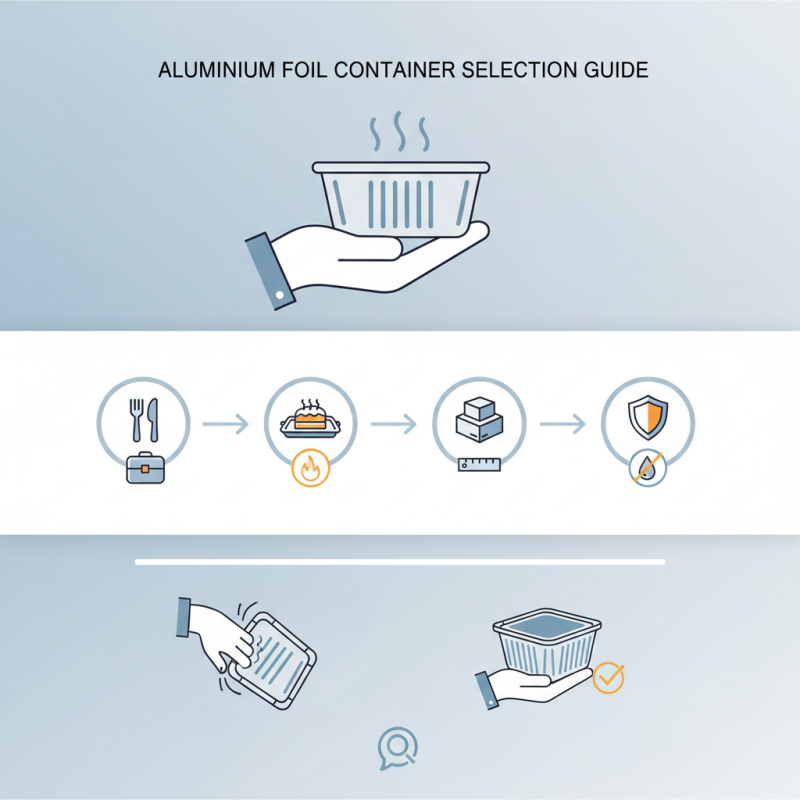
When selecting the best aluminum foil container for your needs, understanding the different types available is key. There are shallow containers, which are perfect for baking and roasting. These can evenly distribute heat.
Tips: Consider what food you will store. For marinated dishes, a deeper container works well. Shallow containers can be handy for meals that require even cooking, like casseroles.
Another type is the single-use container, often used for takeout or picnics. These are convenient but not always ideal for leftovers. They may warp if exposed to high heat. In contrast, reusable aluminum containers can be better for frequent use. Their durability allows them to withstand various cooking methods, albeit they might scratch or dent over time.
Tips: Always check the container's capacity. Overfilling can lead to spills and mess. If you plan to freeze food, ensure the container is freezer safe to avoid cracking. Remember, not all foils are created equal. Pay attention to thickness and quality for the best results.
Assessing Size and Capacity for Specific Uses
When selecting an aluminium foil container, size and capacity are crucial for optimal use. Different applications require various dimensions to meet specific needs. For instance, a small container (around 250 ml) suits individual servings, while larger trays (up to 3 liters) are ideal for family meals or gatherings. Studies show that consumers often underestimate the volume required for a dish. This can lead to unnecessary spills and overflow.
Accuracy in determining the right size enhances efficiency. According to industry reports, approximately 30% of users experience frustration due to poorly sized containers. This can waste food and materials. Users need to visualize how much capacity is truly needed. A deeper container might seem adequate, yet can fail to accommodate certain recipes.
It's also worth considering the shape of the container. Rectangular designs maximize space in an oven compared to round ones. However, many overlook this detail and end up with less usable area. Reflecting on these choices can improve meal preparation. Assessing size and capacity carefully will lead to better cooking experiences. Aim for containers that align with personal needs, reducing waste and enhancing satisfaction.
Evaluating Thickness and Durability of Materials
When choosing the right aluminium foil container, thickness and durability are key factors. Thicker materials can withstand high temperatures and more rigorous handling. A study by the Aluminium Association shows that containers with a thickness of 0.15 mm or more significantly increase strength during baking and freezing scenarios. Many chefs prefer these thicker options, as they offer enhanced performance.
Consider the type of food you will store. For heavy meals, opt for thicker containers. They prevent bending and leaking. On the other hand, lighter options work well for snacks or single servings. This choice can affect heat distribution during cooking. A thinner container may warp easily if using high heat.
Tip: Always check the gauge of the foil before purchase. A gauge between 30 and 40 is ideal for most baking tasks. Think about how many times you will reuse the container. Investing in a durable option could save money over time. Balancing cost and quality is essential. Also, remember that overuse of thinner products can lead to frustration and waste.
Comparison of Aluminium Foil Container Thickness and Durability
Considering Temperature Resistance and Heat Conductivity
When choosing an aluminium foil container, temperature resistance and heat conductivity are crucial factors.
Good aluminium containers can withstand high temperatures, essential for baking and roasting.
Studies show that typical aluminium foil can handle temperatures up to 600°F (315°C).
This capability makes it suitable for a variety of cooking methods. However, not all containers offer the same performance.
Some containers may warp at high temperatures, affecting their usability.
It’s vital to check the thickness of the foil. Thicker options generally provide better heat conductivity and stability.
Research indicates that temperature fluctuations can cause some products to lose structural integrity.
Remember, using a thin, flimsy foil may leave you with unexpected issues.
Additionally, consider the specific use case.
For instance, grilling requires containers that can endure direct heat.
If you're using it for slow cooking, the temperature range might vary. Each application can demand different qualities.
Choosing the right container involves assessing the heat requirements of your dishes and aligning them with the container's specifications.
There are nuances to these choices that require careful reflection.
Exploring Eco-Friendly Options and Recycling Practices
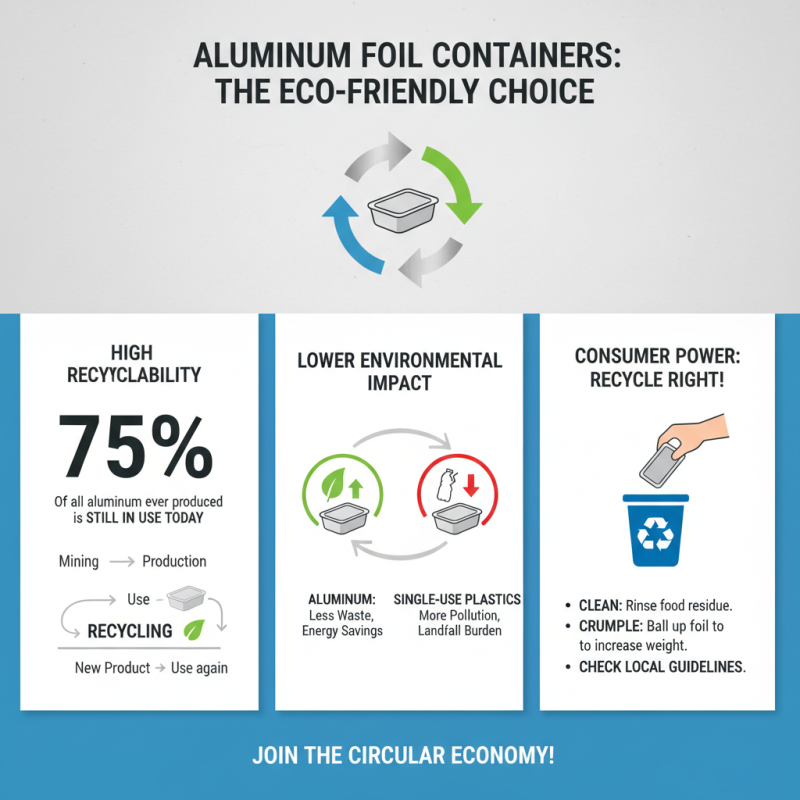
When exploring eco-friendly options for aluminum foil containers, sustainability emerges as a significant factor. According to industry reports, aluminum is highly recyclable. More than 75% of all aluminum produced is still in use today. This ensures a lower environmental impact when compared to single-use plastics. However, not all aluminum products are recycled adequately. Many still end up in landfills, making it crucial for consumers to understand proper recycling practices.
It’s essential to wash and dry aluminum containers before recycling. Contaminants can lessen the quality of recycled aluminum, impacting the recycling process. Interestingly, some estimates show that the energy saved by recycling aluminum can reduce greenhouse gas emissions by up to 95%. This highlights the importance of consumer education. Often, it’s unclear which types of containers are recyclable. Misinformation can lead to ambiguous disposal methods.
Engaging with local recycling programs can help clarify these doubts. Communities are adapting practices to promote sustainable behaviors. Still, a gap remains in awareness. Many users are unaware of the specific guidelines for aluminum recycling. This ignorance can hinder overall progress towards a greener future. Engaging in continued conversations about recycling can pave the way for a more sustainable approach to aluminum foil containers.