How to Buy Wholesale Liquor Bottles for Your Business?
Buying Wholesale Liquor Bottles can seem daunting. As a business owner, it's crucial to understand how to navigate the market effectively. Wholesale liquor bottles are essential for bars, restaurants, and retail stores. They help you save costs and maximize profits.
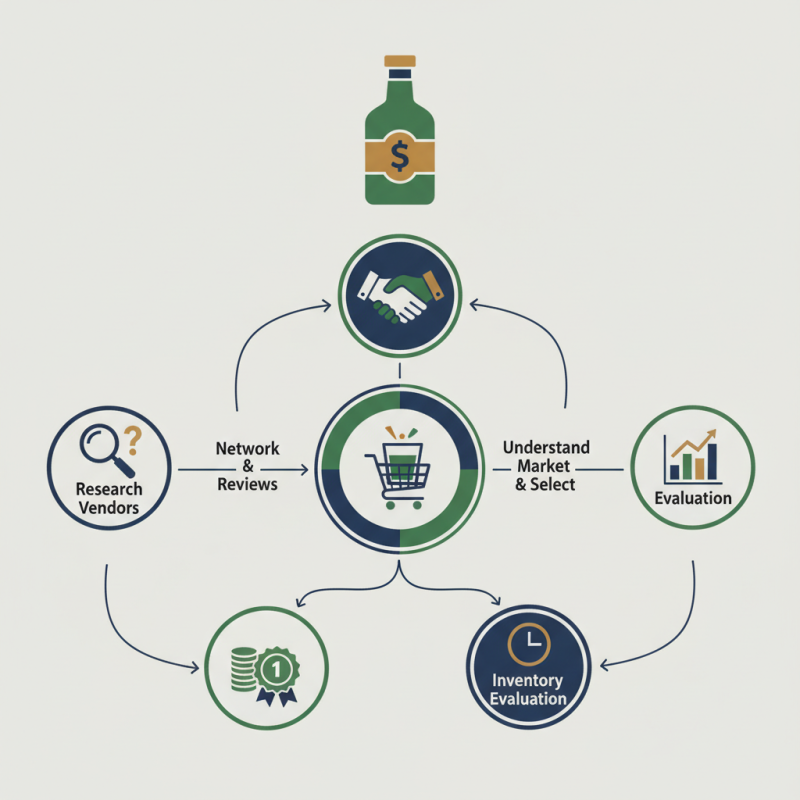
The quality and selection of these products vary widely. Some suppliers offer a vast range of brands, while others might only have local options. Researching reputable vendors is key. You can look for reviews and ratings online. Networking within the industry can also lead you to trustworthy suppliers.
It's easy to overlook the details. Before making a bulk purchase, consider your target market. Understanding customer preferences will help you choose the right types of liquor. Keep in mind that not every product will sell equally well. Regular evaluation of inventory can improve your decision-making process. Ensure that you balance cost and quality to build a reliable stock.
Understanding the Wholesale Liquor Market and Its Dynamics
Understanding the wholesale liquor market is crucial for any business owner. The market is vast and continually evolving. Price fluctuations can be frequent. Seasonal trends also play a significant role. It's essential to stay informed about new regulations that can impact pricing. These factors will influence your purchasing decisions.
Building relationships with distributors is another essential aspect. A good distributor provides not just product, but also valuable insights. They can help you understand customer preferences and market trends. Trustworthy sources can make a significant difference in sourcing quality products. Finding the right partner may take time and effort, but the payoff is worth it.
You may encounter challenges in inventory management. Knowing how much to order can be tricky. Having too much stock can tie up your capital. Conversely, running out can lead to lost sales. Regularly assessing your purchasing strategy is important. This reflection can help you adapt to the ever-changing market dynamics. Listening to your customers can also guide your purchasing decisions.
Identifying Reliable Wholesale Suppliers for Liquor Bottles
When searching for reliable wholesale suppliers for liquor bottles, consider key factors that reflect their credibility. A strong supplier should have expertise in the industry. Look for years of operation and positive reviews. Research their reputation online. Engaging with other businesses in the same field can also help identify trustworthy suppliers.
Tips: Attend trade shows to meet potential suppliers. Networking can reveal hidden gems in the market. Ask to see samples of their products. Quality matters, especially in the beverage industry.
Transparency is essential. Ensure that the supplier provides clear pricing and delivery terms. Be cautious with suppliers that lack responsiveness. It could indicate future challenges. Compare multiple sources for better insights. Each supplier has unique offerings; evaluate them based on your needs.
Tips: Create a checklist of requirements. This will guide your search and reveal inconsistencies. Don't hesitate to ask questions. A good supplier will be open to discussing your needs. Be observant; minor details can uncover larger issues.
Evaluating Pricing Strategies and Costs in Wholesale Purchases
When buying wholesale liquor bottles, understanding pricing strategies is crucial. Start by researching the average market rates for different types of liquor. This research helps you set a baseline for comparison. Look at various suppliers and their pricing models. Some may offer tiered pricing based on order volume. Others might have flat rates. Always request price lists to make informed decisions.
Consider additional costs that could impact your budget. Shipping fees, taxes, and handling charges can add up. Always calculate these potential expenses before finalizing a purchase. Look for suppliers who offer transparent pricing structures. Hidden fees can lead to financial strain and affect your profit margins.
Be aware that pricing can also fluctuate due to market demand and seasonal trends. This variability might require you to adapt your purchasing strategy. Reflect on your previous buying experiences. What went well? What didn’t? Learning from past transactions can help refine your approach in future purchases. Balancing cost and quality is essential for long-term success in the liquor industry.
How to Buy Wholesale Liquor Bottles for Your Business? - Evaluating Pricing Strategies and Costs in Wholesale Purchases
| Category | Bottle Size (ml) | Average Wholesale Price ($) | Minimum Order Quantity | Potential Profit Margin (%) |
| Vodka | 750 | 12.00 | 12 | 30 |
| Whiskey | 750 | 15.00 | 6 | 25 |
| Rum | 750 | 10.00 | 10 | 35 |
| Tequila | 750 | 18.00 | 12 | 28 |
| Gin | 750 | 14.00 | 8 | 32 |
Navigating Legal Requirements and Regulations for Liquor Sales
Understanding the legal requirements for liquor sales is essential for anyone in the industry. Each state has its own alcohol regulations. These laws can cover a wide range of topics, from licensing to distribution. It's important to familiarize yourself with local laws before making any purchases. Consulting with a legal expert can provide clarity.
Additionally, obtaining the necessary permits can be a complex process. You might face various bureaucratic hurdles. Engage with local authorities and ensure you're meeting all criteria. Keep in mind that regulations can change. Staying updated will help you navigate potential pitfalls.
You also need to consider age verification. Ensuring that your business checks the age of customers is crucial. It protects your business from legal issues. Training staff in compliance practices is often overlooked but necessary. This not only builds a reliable team but also fosters a culture of responsibility. Reflecting on these aspects can improve your operations significantly.
Establishing Strong Relationships with Liquor Distributors and Suppliers
Establishing strong relationships with liquor distributors and suppliers is crucial for any business in the alcohol industry. A solid connection can lead to favorable terms and reliable supply chains. According to industry reports, businesses that maintain good relationships with their suppliers see a 30% increase in satisfaction and efficiency in delivery times. Building rapport can often require time and effort, yet it pays off in reduced costs and improved quality of service.
Effective communication is key in these relationships. Regular check-ins, feedback, and transparency about your business needs create trust. It’s also beneficial to share sales forecasts with your suppliers. By doing so, you enable them to better manage their inventory and align their production with your actual demand. According to recent data, 65% of suppliers are more likely to prioritize clients who maintain open lines of communication.
Don’t be afraid to negotiate. While it’s essential to maintain a good relationship, you also need to protect your margins. Sometimes, distributors might take advantage of a lack of competition. Conduct market research to back up your proposals. Yet, remember that pushing too hard can damage relationships. Finding the balance takes practice and awareness, but it’s essential for long-term success in the wholesale liquor business.