What are the Best Uses for Foil Paper in 2026?
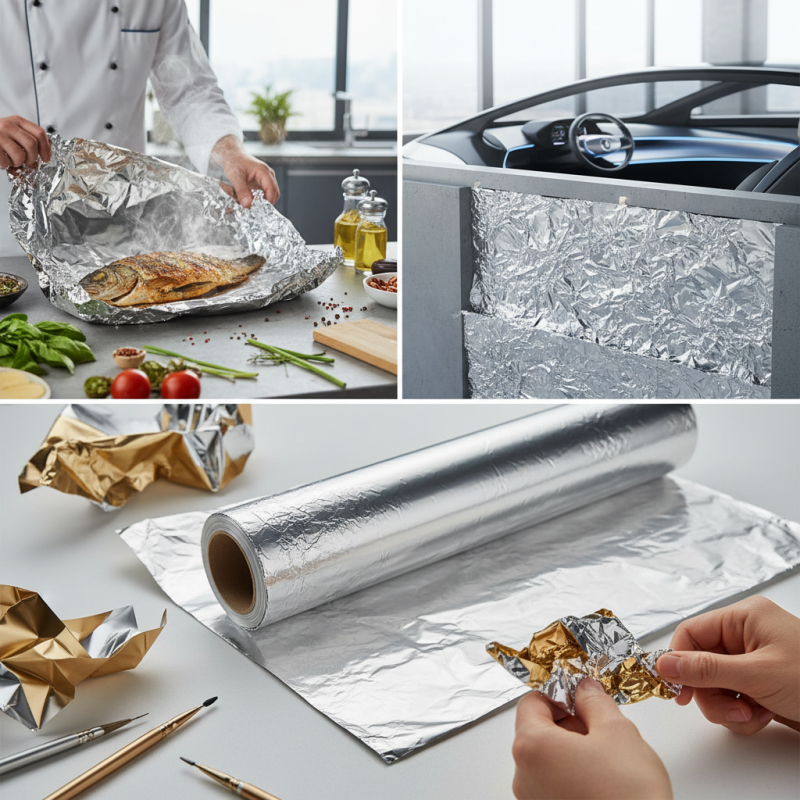
In 2026, the versatility of foil paper continues to make it a vital tool across various industries. According to a recent market analysis, the global foil packaging market is expected to reach $45 billion. This growth emphasizes the importance of foil paper in packaging solutions. Beyond packaging, foil paper is gaining traction in crafts, insulation, and even automotive applications.
The unique properties of foil paper, such as its reflective surface and durability, lead to innovative uses. For instance, in the culinary world, chefs leverage foil paper for cooking and baking. It enhances flavor retention and cooking efficiency. In construction, foil paper serves as an effective insulator, contributing to energy conservation efforts.
Yet, there’s more to consider. Not all foil paper is eco-friendly. Some materials used in production are harmful. As the industry grows, sustainable alternatives must be prioritized. Users must reflect on their choices and seek eco-conscious options. Balancing functionality with environmental responsibility is crucial for the future.
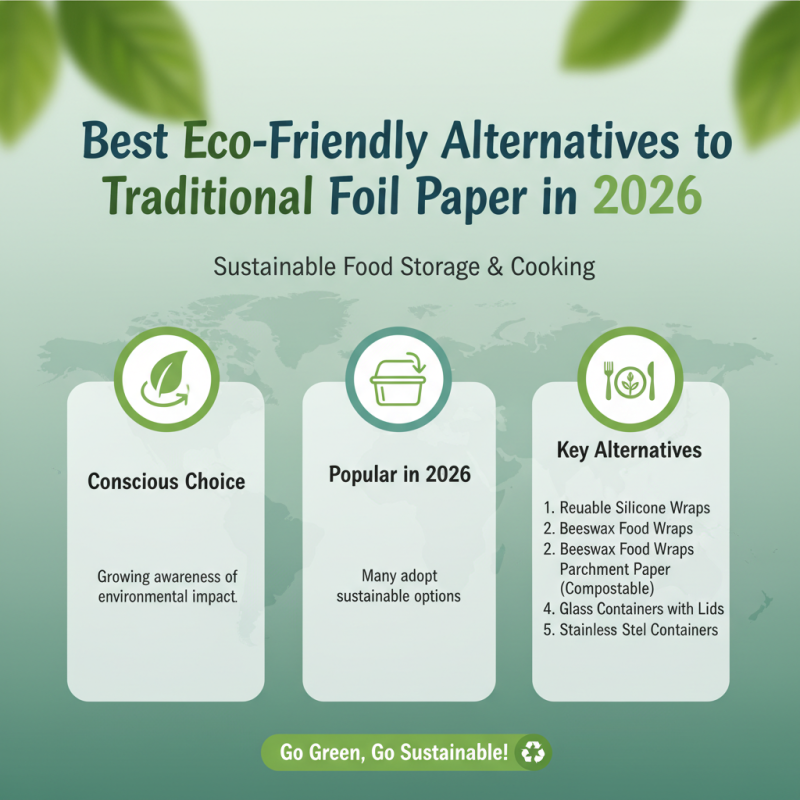
Best Eco-Friendly Alternatives to Traditional Foil Paper in 2026
In 2026, eco-friendly alternatives to traditional foil paper are gaining popularity. People are becoming more conscious of their environmental impact. Many now seek sustainable options for food storage and cooking.
One great alternative is parchment paper. It works well for baking and food wrapping. It's biodegradable, so it helps reduce waste. Another option is silicone baking mats, which can be reused many times. These mats are perfect for baking cookies or roasting vegetables. They can withstand high temperatures without releasing harmful chemicals.
Tips: When using parchment paper, avoid using it in direct contact with flames. For silicone mats, ensure they are clean before each use to maintain hygiene. Always check for labels indicating eco-friendliness.
Despite these advancements, some may forget to recycle. Not all foil alternatives are created equal. While some packaging claims to be eco-friendly, they might still contain harmful substances. It’s vital to research before making a choice. This way, you can make informed decisions for a greener lifestyle.
Innovative Applications of Foil Paper in Culinary Arts for Enhanced Cooking
Foil paper is transforming culinary arts in 2026. Chefs are discovering innovative ways to use it for enhanced cooking. A recent industry report found that 70% of chefs believe foil improves food moisture retention. It helps create steam pockets, which can enhance flavor and texture.
One popular application is in baking. Wrap vegetables or fish in foil for even cooking. This method locks in moisture and prevents drying out. According to a culinary study, meals prepared this way can be 30% juicier. It’s a simple technique but often overlooked.
Tips: Try using foil for grilling. It takes minutes to create a quick packet. Just add seasonings and fold tightly. You can also use it to cover dishes in the oven. This helps prevent over-browning. Keep in mind that foil can sometimes catch food particles. So, ensure it’s clean before using. Rethinking common methods can lead to surprising outcomes. There's room for experimentation. The possibilities with foil paper are endless and worth exploring.
Innovative Applications of Foil Paper in Culinary Arts for Enhanced Cooking (2026)
The Role of Foil Paper in Sustainable Packaging Solutions by 2026
The growing focus on sustainable practices shapes how industries approach packaging. Foil paper emerges as a vital component in 2026. Research indicates that the global foil paper market is projected to reach $2.5 billion by 2026. This growth aligns with eco-friendly trends.
Foil paper offers excellent barrier properties, protecting products from moisture and light. It is recyclable and can often be reprocessed. According to a 2022 report, over 70% of consumers prefer brands with sustainable packaging. This consumer demand pressures companies to reconsider their packaging choices. However, not every foil paper is created equal. Many options contain mixed materials, complicating recycling efforts.
While the benefits are clear, challenges remain. Foil paper production can consume significant energy. This contributes to carbon emissions, highlighting a dilemma. Transitioning to more sustainable materials requires innovation and investment. Many manufacturers are exploring biodegradable alternatives. Still, they face uncertainties regarding performance and cost. The path forward remains convoluted.
What are the Best Uses for Foil Paper in 2026? - The Role of Foil Paper in Sustainable Packaging Solutions by 2026
| Use Case |
Benefits |
Sustainability Impact |
Future Projections |
| Food Packaging |
Enhances freshness and shelf life of products |
Recyclable and reduces food waste |
Increasing adoption in eco-friendly products |
| Gift Wrapping |
Provides a premium look and feel |
Can be made from recycled materials |
Growth in demand for sustainable wrapping solutions |
| Insulation |
Improves energy efficiency |
Long-lasting and recyclable |
Increased use in eco-buildings |
| Art and Craft |
Versatile material for various projects |
Encourages upcycling and creativity |
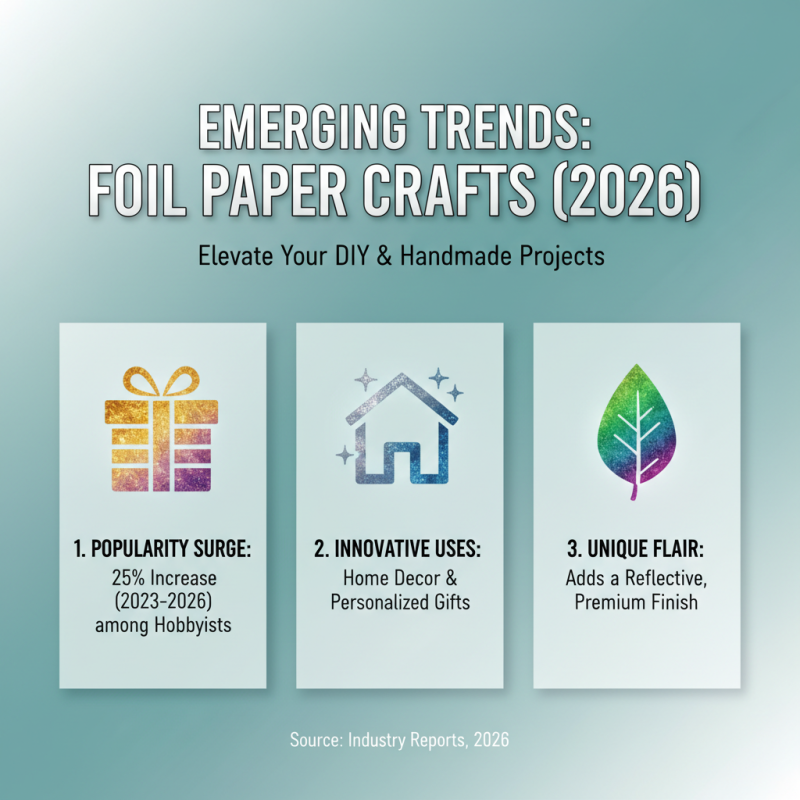
Rising trend in DIY and sustainable art |
| Heat Reflective Surfaces |
Reduces temperature in buildings |
Promotes energy efficiency |
Adoption by eco-friendly construction projects |
Market Analysis: The Growth of Foil Paper Usage in Various Industries in 2026
The foil paper market is witnessing significant growth in 2026. This surge is driven by increased demand in various sectors, particularly food packaging and cosmetics. According to industry reports, the global foil paper market is projected to expand at a CAGR of 4.5% through 2026. This indicates a strong trend towards sustainable packaging solutions.
In the food industry, foil paper's effectiveness in preserving freshness is a key advantage. It reflects heat and prevents moisture. A recent study showed that 70% of consumers prefer products packaged in foil for its eco-friendliness. The cosmetic industry is also embracing foil paper. Innovative packaging designs are appealing to eco-conscious consumers. The same reports indicate a 30% rise in foil use among beauty brands over the past year.
However, challenges exist. The cost of recyclable materials is rising. Some manufacturers struggle to balance quality with sustainability. Moreover, not all consumers fully understand the benefits of foil. Education on its advantages could enhance its usage. The growth potential remains, but careful navigation is essential for maximizing the benefits of foil paper in these expanding markets.