What is the Best Use of Foil Sheets for Food Preparation and Storage
In recent years, the use of foil sheets for food preparation and storage has gained significant attention in both home kitchens and commercial food establishments. Foil sheets offer an array of advantages, from enhancing cooking techniques to preserving food quality and safety. According to a report by the Food Packaging Forum, approximately 75% of consumers prefer aluminum foil products for their versatility and effectiveness in keeping food fresh. In addition, the food service industry has noted an increase in the demand for eco-friendly packaging solutions, with aluminum foil leading the charge due to its recyclability and ability to reduce food waste.
The application of foil sheets for food transcends mere convenience; industry studies have revealed that proper use can greatly influence cooking outcomes. Research by the Culinary Institute highlights that foil sheets can aid in retaining moisture, distributing heat evenly, and preventing cross-contamination. This makes them an essential tool not only for chefs but also for home cooks aiming to elevate their culinary skills. Moreover, the global market for food packaging is expected to reach USD 500 billion by 2025, with foil sheets playing a crucial role in this growth.
As we delve deeper into the best uses of foil sheets for food, it becomes clear that their unique properties—such as reflective surfaces that enhance cooking efficiency and protective qualities that maintain food integrity—make them an indispensable asset in any food preparation and storage process.
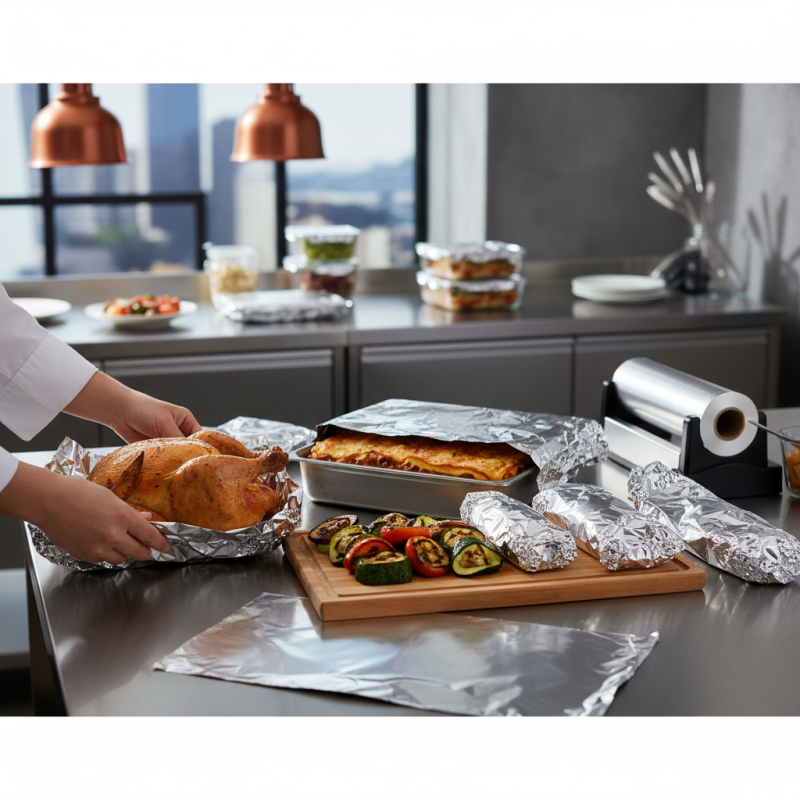
Understanding Aluminum Foil: Types and Properties for Food Use
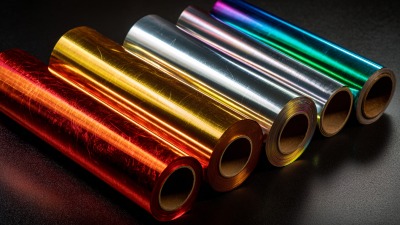
Aluminum foil is an essential kitchen staple with a variety of types and properties tailored for food use. Standard aluminum foil is typically available in two thickness levels: regular and heavy-duty. Regular foil is ideal for wrapping food items, baking, or covering dishes, while heavy-duty foil is better suited for grilling and other high-temperature applications, as it can withstand more intense heat without tearing. Understanding these properties will help you choose the right foil for your cooking needs.
When using aluminum foil, it’s important to keep a few tips in mind. First, always place the shiny side facing in when wrapping food for cooking, as this can help reflect heat and cook the food more evenly. Also, if you're using foil for food storage, ensure that it is tightly sealed to prevent air from entering and degrading the quality of your food. Lastly, avoid using foil with acidic foods like tomatoes or citrus, as this can cause a chemical reaction that affects flavor and safety.
Selecting the right type of aluminum foil can significantly enhance your food preparation and storage experience. Whether you're roasting vegetables or preserving leftovers, aware of the properties of aluminum foil will enable you to make informed choices and achieve better results in the kitchen.
Best Practices for Food Preparation with Foil Sheets
Foil sheets are a versatile and essential tool in food preparation, renowned for their ability to create a barrier against moisture and contaminants. According to a report by the Food Packaging Association, the use of aluminum foil in food storage can significantly reduce spoilage, extending the shelf life of items by up to 50%. Properly utilizing foil sheets can therefore play a crucial role in maintaining food quality and safety in both home and commercial kitchens.
When preparing food, one of the best practices is to use foil sheets for wrapping meats and vegetables, as it allows for even cooking and retains moisture during the baking or grilling process. The USDA recommends covering food with foil to prevent the drying out of proteins and to enhance flavor retention. Moreover, when wrapping dishes for refrigeration, ensuring a tight seal with foil minimizes exposure to air, which can lead to freezer burn. A study by the Institute of Food Technologists emphasizes that the right application of foil sheets in food storage can dramatically decrease the risk of bacterial growth, making them a crucial component for safe food handling.
Effective Storage Techniques Using Foil for Leftovers
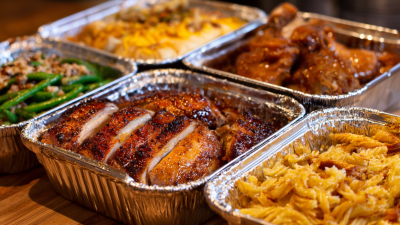
When it comes to effective storage techniques for leftovers, using foil sheets presents an economical and efficient solution. Aluminum foil is known for its ability to form an airtight seal, which plays a crucial role in minimizing food spoilage. According to a report from the Food and Drug Administration (FDA), proper food storage can help reduce food waste by up to 30%, thus benefiting both your wallet and the environment. Foil sheets work by providing a barrier to light, moisture, and air, making them ideal for wrapping various foods including meats, baked goods, and produce.
To maximize the effectiveness of foil sheets in preserving leftovers, it's important to follow a few key practices. First, ensure that food is cooled to room temperature before wrapping, as this prevents condensation from forming and creating an environment for bacteria growth. Professional food storage specialists recommend that leftovers should be consumed within three to four days for optimal taste and safety. Additionally, using foil sheets to portion out meals can help in managing serving sizes, reducing the likelihood of leftovers that may languish in the fridge. These techniques not only help retain the quality of your food but also contribute to a more organized kitchen environment.
Creative Ways to Cook with Foil in the Kitchen
Foil sheets are versatile kitchen tools that can elevate your cooking methods and make food preparation easier. One creative way to use foil in the kitchen is by crafting individual packets for grilling vegetables and proteins. Simply place your chosen ingredients in the center of a sheet of foil, add seasonings or marinades, and fold the foil into a secure packet. This method locks in flavors and moisture, ensuring perfectly cooked meals. Plus, it reduces cleanup, as each serving is contained within its own packet.
Another clever use of foil is as a makeshift baking dish liner. When baking, line your sheet pans or cake pans with foil, allowing for easy removal of baked goods without sticking. This is especially handy for things like cookies or brownies, providing a quick way to clean up after baking. Additionally, using foil to cover dishes while cooking can prevent over-browning and help maintain moisture within your meals.
**Tips:** Always use heavy-duty foil for grilling and baking to prevent tearing. When using foil packets, be cautious of steam when opening them after cooking—the steam can be quite hot! Also, consider double-wrapping items for longer cooking times, ensuring everything remains juicy and flavorful throughout the process.
Best Uses of Foil Sheets in Food Preparation and Storage
Safety Tips for Using Foil Sheets in Food Preparation and Storage
When utilizing foil sheets for food preparation and storage, safety is paramount. According to the U.S. Department of Agriculture (USDA), aluminum foil can be a useful tool for both cooking and food preservation, but improper use can pose health risks. For instance, researchers have found that high-temperature cooking with aluminum foil can lead to leaching of aluminum into food. To minimize this, it's essential to avoid direct contact with acidic foods like tomatoes and citrus, which can increase the aluminum transfer. Instead, consider using parchment paper as a barrier when baking these types of foods.
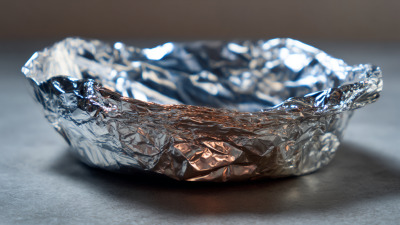
Additionally, storage practices play a critical role in food safety. The USDA advises that foil sheets should be tightly sealed around food items to prevent contamination and spoilage. It's also crucial to ensure that the foil is not punctured or damaged, as this can allow pathogens to enter. While foil is effective for wrapping foods to prevent freezer burn, it's recommended to use it in conjunction with other methods, such as freezer-safe containers or bags, for longer storage periods. Following these guidelines not only helps in preserving the quality of the food but also ensures that it remains safe for consumption.
What is the Best Use of Foil Sheets for Food Preparation and Storage
| Use Case |
Description |
Safety Tips |
| Baking |
Use foil sheets to line baking pans for easier cleanup and to prevent sticking. |
Ensure the shiny side is facing the food for better heat reflection. |
| Grilling |
Wrap food items in foil to cook them on the grill while keeping juices enclosed. |
Avoid using foil over high flames as it can burn and release toxins. |
| Storing Leftovers |
Cover bowls or wrap food tightly to extend freshness. |
Do not reuse foil that has come into contact with raw meat. |
| Cooking Meats |
Use as a barrier to keep moisture in when cooking meats. |
Ensure that meat is fully cooked to eliminate bacteria. |
| Freezing Food |
Wrap items in foil to prevent freezer burn. |
Label wrapped items with the date to track freshness. |