Best Coiling and Packing Machine for Efficient Packaging Solutions?
In the fast-paced world of manufacturing and logistics, the demand for efficient packaging solutions is crucial. Reports indicate that the packaging machinery market is growing at a rate of 5% annually. This growth highlights the importance of innovation in packaging technologies. A key player in this sector is the Coiling and Packing Machine. This machine revolutionizes the way products are coiled and packed, improving speed and accuracy.
Efficiency is not just about speed; it’s about consistency and quality. Industries rely on coiling machines to reduce waste and optimize material usage. A well-designed Coiling and Packing Machine can save companies thousands annually. Yet, not all machines meet these efficiency goals. Some may require frequent maintenance or have compatibility issues with different materials. These potential drawbacks serve as a reminder that not every solution is perfect.
Investing in the right Coiling and Packing Machine can make a significant difference. However, stakeholders must assess their unique needs before making a decision. It is essential to research thoroughly and consider both the benefits and limitations. The industry is brimming with options, but choosing wisely can lead to better efficiency and ultimately higher profits.
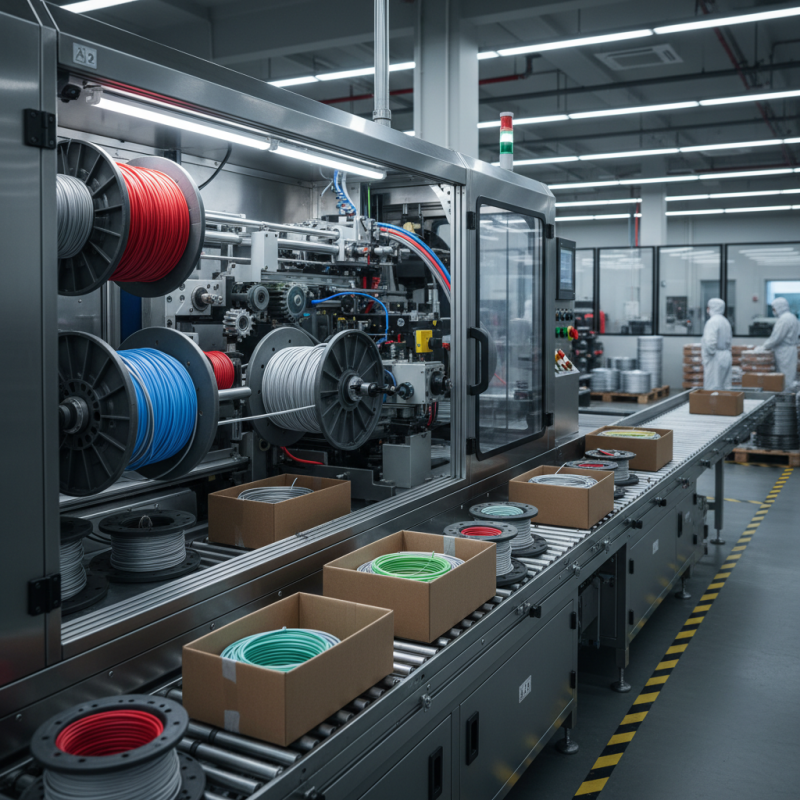
Understanding Coiling and Packing Machines: An Overview
Coiling and packing machines play a crucial role in modern packaging solutions. These machines are designed to streamline the packaging process, improve efficiency, and reduce costs. According to a recent industry report, the global market for packaging machinery is expected to reach $56 billion by 2025, growing at a rate of 4.8% annually. This growth can be attributed to the increasing demand for food and consumer goods packaging.
Understanding the technology behind coiling and packing machines is essential. These machines work by efficiently winding products like wires or tubing into neat coils. Then, they pack the coiled products into boxes or containers. This dual functionality significantly speeds up the packaging process. Many companies report that using these machines has reduced labor costs by up to 30%. Despite these benefits, incorporating such technology can be challenging.
Some businesses find it hard to integrate these machines into existing systems. Staff training on new technologies often takes time. Additionally, the upfront costs can be daunting for smaller companies. This hesitation can lead to inefficiencies and lost opportunities in the long run. Therefore, it is essential to weigh the initial investment against potential savings and efficiency gains. Balancing these factors can lead to more informed decisions in packaging strategy.
Best Coiling and Packing Machine for Efficient Packaging Solutions
| Machine Type | Dimensions (L x W x H) | Weight | Capacity (packages/hour) | Power Consumption (kW) |
| Automatic Coiling Machine | 2000mm x 1000mm x 1500mm | 800 kg | 1200 | 3 |
| Semi-Automatic Packing Machine | 1800mm x 900mm x 1400mm | 600 kg | 800 | 2.5 |
| Fully-Automatic Packing System | 2500mm x 1200mm x 1600mm | 1000 kg | 1500 | 4 |
| Horizontal Coiling Machine | 2200mm x 1100mm x 1500mm | 750 kg | 950 | 3.5 |
Key Features to Consider When Choosing a Packaging Machine
When choosing a packaging machine, several key features should be top of mind. Start by considering the machine's speed. A high-speed machine can dramatically enhance efficiency. However, excessive speed can lead to errors and material waste. Balancing speed with accuracy is often a challenge.
Next, look at the versatility of the machine. Can it handle different package sizes and types? A flexible machine can adapt to various products. This can be especially useful if your product line changes frequently. However, be cautious; too much versatility can complicate operation and maintenance.
Additionally, pay attention to user-friendliness. A complicated interface can slow down production. Training staff can take time and resources. Machines with intuitive controls can alleviate these issues, making it easier to operate. Remember, a good machine should not only perform well but should also be easy to manage.
Best Coiling and Packing Machine for Efficient Packaging Solutions
Comparative Analysis of Top Coiling Machines in the Market
When considering coiling and packing machines, it's essential to compare options based on efficiency and cost-effectiveness. Efficiency directly impacts productivity in packaging lines. Research indicates that automated coiling machines can offer a 30% increase in output compared to manual options. These advancements save time and reduce labor costs significantly.
Tips: Evaluate the speed of the machine. Look for a model that operates at least 80 coils per minute, based on industry standards.
In examining various models, common features emerged. The best machines utilize user-friendly interfaces and quick setup processes. A detailed market report shows that 70% of operators prefer machines that reduce changeover times. Quick adjustments can minimize downtime, benefiting overall productivity.
Tips: Check for ease of maintenance. A complicated maintenance process can lead to longer downtimes, affecting your bottom line.
Although many machines boast high performance, not all are reliable. Some users report issues with material compatibility, leading to decreased efficiency. Testing a machine with your specific materials is critical to avoid potential disruptions.
Efficiency Benefits of Modern Packing Solutions
Modern packing solutions have transformed the packaging industry. Today's machines can significantly enhance efficiency. According to a recent industry report, companies using advanced packing equipment have seen a 30% reduction in operational costs. This is a staggering figure that underlines the benefits of modern technology.
Efficiency is not just about speed. It also involves minimizing waste. Studies show that modern coiling and packing machines reduce material waste by up to 25%. This improvement is essential for companies trying to go green. Moreover, automated systems can work around the clock, ensuring consistent output. Yet, some manufacturers still rely on outdated methods. This can lead to higher labor costs and slower production times.
Training staff on new technology can be a challenge. Employees may resist change, fearing job loss. However, adapting to new systems can create new job opportunities. It encourages a culture of innovation. Implementing modern packing solutions can seem daunting, but the potential benefits are considerable. Embracing these advances might require adjustments and a willingness to learn.
Applications of Coiling and Packing Machines Across Industries
Coiling and packing machines are essential in various industries. They streamline processes and improve efficiency. These machines package a wide range of products, from wires to food items. Their versatility makes them a valuable asset in manufacturing operations.
In the automotive industry, coiling machines package wires and cables efficiently. This prevents tangling and damage during shipping. In the food sector, they help in packaging snacks or specialty items. This ensures freshness and maintains product quality. The pharmaceutical industry benefits as well, with machines securely packaging tablets in blisters.
Tip: Always maintain your machines. Regular cleaning and servicing enhance their lifespan. This helps prevent breakdowns, which can slow production.
When selecting a packing machine, consider the specific requirements of your products. Different materials require different approaches. It's vital to evaluate packaging types and sizes. Some machines struggle with delicate items like glass. Be mindful of the machine’s capabilities to avoid mishaps.
Tip: Involve your team in the selection process. They can provide insights based on daily operations. Their hands-on experience can guide you to a better fit.