Why Choose Foil Packaging? Benefits for Products and Sustainability Explained
In today's fast-paced and environmentally conscious world, foil packaging has emerged as a favored choice among manufacturers and consumers alike. According to a recent report by Allied Market Research, the global market for aluminum foil packaging is projected to reach $46.6 billion by 2027, growing at a CAGR of 4.9% from 2020. This remarkable growth highlights the increasing recognition of foil packaging's numerous advantages, particularly in terms of product preservation and shelf life extension.
Foil packaging not only protects products from moisture, light, and air, preserving their freshness and quality but also plays a vital role in sustainability efforts. The aluminum foil industry claims that aluminum is 100% recyclable without loss of quality, which resonates well with the growing demand for eco-friendly packaging solutions. Furthermore, the Foil and Specialty Effects Association reports that using foil packaging can reduce carbon emissions by up to 50% compared to alternative materials, making it a compelling option for environmentally conscious brands. As consumers continue to prioritize sustainability, the benefits of foil packaging stand out, driving its adoption across various industries.
Advantages of Foil Packaging for Various Products
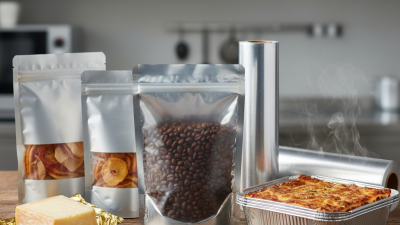
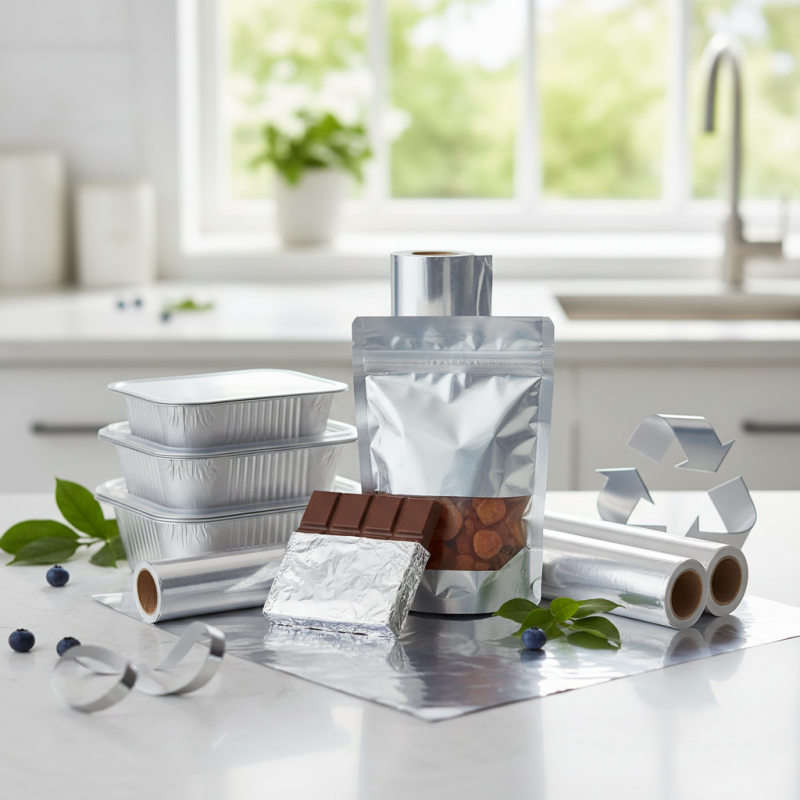
Foil packaging offers a myriad of advantages that cater to a wide range of products across various industries. One of the most significant benefits is its ability to provide an excellent barrier against moisture, light, and oxygen. This is particularly advantageous for food items, as it helps preserve freshness and flavor for an extended period. The airtight seal created by foil packaging prevents spoilage and extends shelf life, making it a preferred choice for snacks, beverages, and perishable goods.
In addition to its protective qualities, foil packaging is also lightweight and highly malleable, which allows for creative and practical designs. This versatility enables manufacturers to create innovative shapes and sizes that can enhance the consumer experience. Furthermore, foil’s reflective properties can add visual appeal, making packaging more attractive on store shelves. For products requiring a combination of protection and aesthetics, foil packaging offers an ideal solution that meets both functional and marketing needs.
Impact of Foil Packaging on Product Freshness and Shelf Life
Foil packaging has emerged as a crucial factor in maintaining product freshness and extending shelf life. According to industry reports, aluminum foil offers a nearly impermeable barrier to oxygen, moisture, and light, which are the primary culprits in food spoilage. A study published by the National Institutes of Health highlighted that products packed in foil can have a shelf life increased by up to 40% compared to those in conventional packaging. This preservation capability is essential not only for consumer satisfaction but also for minimizing food waste, a growing concern globally, where organizations estimate that around one-third of all food produced is wasted.
Furthermore, foil packaging is particularly beneficial for perishable items. Research indicates that foods stored in foil maintain their texture, aroma, and taste conditions significantly longer. A report from the Food Research Institute suggests that foil-wrapped products exhibit better retention of sensory qualities, which can be attributed to the packaging's effectiveness at blocking external environmental factors. By safeguarding against oxidation and moisture loss, foil not only protects the product but also supports a more sustainable consumption model by allowing consumers to enjoy fresher food for more extended periods, consequently reducing the frequency of purchases and waste created from spoiled items.
In response to the demand for sustainable practices, the use of recyclable foil packaging is becoming increasingly popular. Statistics show that aluminum can be recycled indefinitely without losing quality, contributing to a circular economy that not only helps reduce landfill waste but also supports energy conservation processes necessary for producing new packaging materials. Thus, the benefits of foil packaging extend well beyond product preservation, aligning with broader environmental and economic goals.
Why Choose Foil Packaging? Benefits for Products and Sustainability Explained
| Aspect |
Detail |
| Material |
Aluminum Foil |
| Barrier Properties |
Excellent barrier against moisture, air, and light |
| Freshness Duration |
Extends product shelf life by up to 40% |
| Recyclability |
100% recyclable; reduces landfill impact |
| Sustainability |
Lower carbon footprint compared to plastic packaging |
| Consumer Preference |
Consumers perceive foil packaging as premium and secure |
| Cost Efficiency |
Cost-effective for long-term storage of products |
| Versatility |
Suitable for a wide range of food and non-food products |
Sustainability Benefits of Using Foil Packaging Materials
Foil packaging has become a popular choice for manufacturers looking to enhance both product safety and sustainability. One of the primary sustainability benefits of using foil materials is their exceptional ability to preserve freshness. Foil acts as a barrier to moisture, light, and air, extending the shelf life of products. This reduction in food spoilage not only minimizes waste but also contributes to more efficient use of resources throughout the supply chain.
Moreover, foil is highly recyclable and can be reprocessed multiple times without losing its quality. This makes it an environmentally friendly alternative to many traditional packaging materials. By choosing foil, companies can significantly lower their carbon footprint. The lightweight nature of foil also means reduced transportation costs and lower emissions during distribution, thus enhancing overall sustainability efforts.
**Tips:** When choosing foil packaging, consider options that are certified recyclable to ensure the materials are processed correctly. Additionally, seek suppliers who are committed to sustainable practices, as this can further enhance the positive environmental impact of your packaging choices. Lastly, look for innovations such as biodegradable foil options that provide an even more sustainable solution for packaging needs.
Recyclability and Environmental Considerations of Foil Packaging
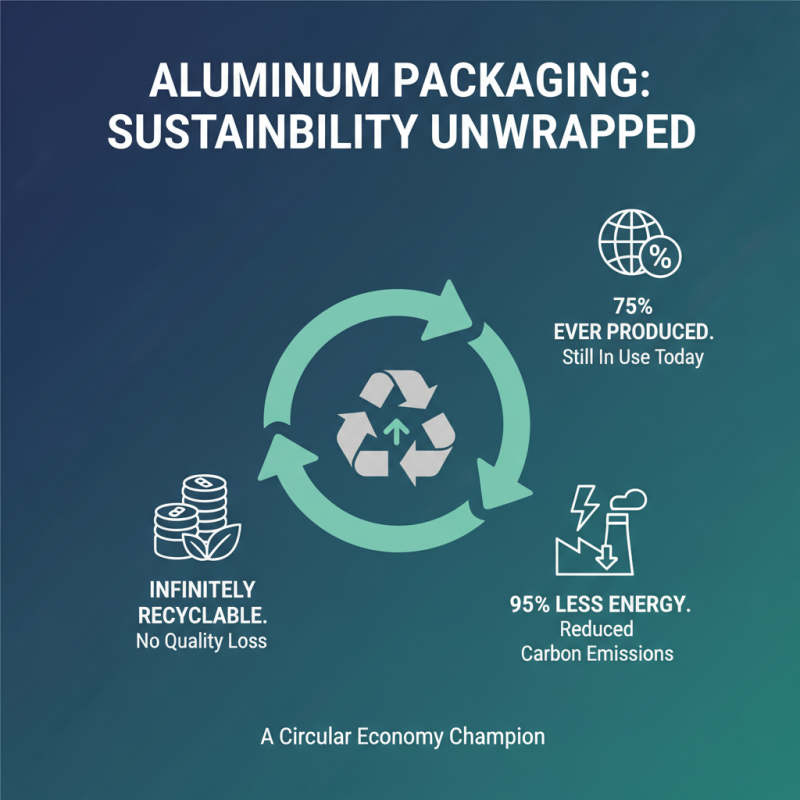
Foil packaging has gained considerable traction in recent years due to its excellent recyclability and low environmental impact. Unlike many plastic alternatives, aluminum foil can be recycled indefinitely without degrading its quality. According to the Aluminum Association, approximately 75% of all aluminum produced is still in use today, showcasing its sustainability. The recycling process for aluminum foil is particularly efficient; it requires about 95% less energy compared to producing new aluminum, significantly reducing carbon emissions and resource consumption.
Furthermore, foil packaging contributes to waste reduction significantly. According to a study conducted by the European Aluminium Foil Association, aluminum packaging has a recycling rate of 50% in Europe, highlighting the growing awareness and capability of recycling facilities. Many municipalities across the globe are now including aluminum foil in their curbside recycling programs, making it more accessible for consumers to dispose of it responsibly. The environmental benefits extend beyond recyclability, as foil packaging effectively preserves product freshness, thereby reducing food waste. With less spoilage, businesses and consumers can minimize their carbon footprints, ultimately promoting sustainability in the packaging industry.
Comparison of Foil Packaging with Other Packaging Types
Foil packaging stands out among various packaging types due to its unique properties and significant benefits in terms of product preservation and sustainability. According to a report from the Flexible Packaging Association, foil packaging provides an excellent barrier against light, moisture, and oxygen, which are critical factors that affect the shelf life and quality of food and pharmaceutical products. This barrier property not only ensures that products maintain their freshness for a longer duration but also reduces food waste, which is crucial in a world where the UN estimates that around one-third of all food produced is wasted.
When compared to alternatives like paper or plastic, foil packaging shows superior performance in terms of recyclability and resource efficiency. The European Aluminium Foil Association states that aluminum foil is 100% recyclable and can be recycled indefinitely without losing quality. In contrast, many plastic packaging types contribute to environmental pollution and are not as easily recyclable, leading to significant concerns regarding sustainability. Furthermore, foil packaging often requires less material to achieve the same protective qualities, which means that it can be a more efficient choice both economically and environmentally. This efficiency aligns with the growing demand for sustainable packaging solutions as consumers increasingly opt for products that prioritize environmental responsibility.