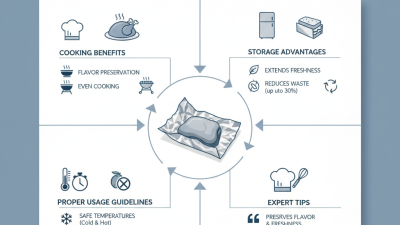
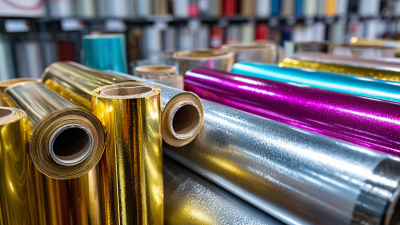
What is Aluminium Paper and How is it Used?
Aluminium paper is a versatile material used in various industries. Renowned expert Dr. Emily Hargrove emphasizes its significance, stating, "Aluminium paper enhances preservation and sustainability." This statement highlights the growing importance of aluminium paper in food packaging and insulation.
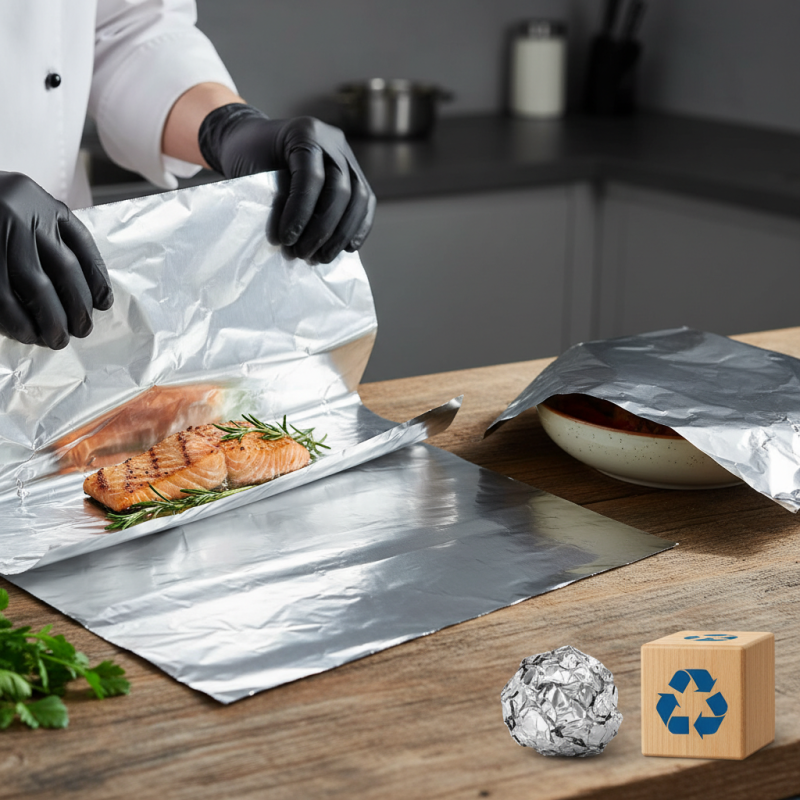
Typically, aluminium paper is thinly rolled and can reflect light and heat. This unique feature makes it valuable in kitchens and construction. Many chefs rely on it for wrapping food items, preserving freshness and flavor.
However, the increasing demand raises concerns about environmental impact. While aluminium paper is recyclable, not all facilities process it. People must reflect on their choices and the future of packaging. Ensuring proper recycling was once an afterthought but is now a necessity. The balance between convenience and eco-friendliness is still a challenge in the aluminium paper industry.
What is Aluminium Paper? A Comprehensive Overview
Aluminium paper, often called foil, is versatile and widely used. It’s made from pure aluminum, rolled into thin sheets. This thin layer reflects heat and light, making it useful for various applications. You may find it in kitchens, securing food or lining baking trays. Its ability to withstand high temperatures also makes it perfect for grilling.
In the packaging industry, aluminium paper is a star. It protects products from moisture, light, and air. Many food items stay fresh longer because of it. The shiny side reflects light, adding an aesthetic touch as well. However, not all aluminium paper is recyclable. Always check local guidelines to be mindful of waste.
**Tip:** When using aluminium paper for cooking, avoid contact with acidic foods. This can lead to a metallic taste.
Be cautious with storage too. If you keep it in a humid environment, it may lose its effectiveness. Proper storage helps maintain its strength and safety.
Aluminium paper can be multifunctional, yet it’s essential to use it wisely. Understanding its properties allows for better application in daily life.
What is Aluminium Paper and How is it Used?
| Dimension |
Detail |
| Material |
Aluminium foil, typically around 0.016mm thick |
| Properties |
Lightweight, flexible, ductile, and has high thermal conductivity |
| Common Uses |
Food wrapping, insulation, packaging, and craft projects |
| Benefits |
Prevents moisture and light exposure; recyclable material |
| Environmental Impact |
Aluminium is recyclable and reduces waste when reused |
The Composition and Properties of Aluminium Paper
Aluminium paper, also known as aluminum foil, is a versatile material widely used in various applications. It is composed of thin sheets of aluminum that are both lightweight and durable. This metal is resistant to corrosion and has a reflective surface, which helps in heat retention. The unique properties of aluminium paper make it a popular choice for food packaging, insulation, and even artistic projects.
The production process involves rolling aluminum into thin layers. The resulting paper can be as thin as 0.01 mm. Despite its strength, it can be easily torn if not handled carefully. Its ability to block moisture and light makes it ideal for preserving food. However, some people report that it can alter the taste of certain foods, leading to mixed reviews.
In crafting, aluminium paper is used for intricate designs and models. However, users often find it challenging to work with due to its malleability. It doesn’t hold its shape well, which can be frustrating for artists. While it shines beautifully, it may also cause unintended reflections in projects. There’s a balance between creativity and the limitations of the material, prompting a thoughtful approach to its use.
Key Applications of Aluminium Paper in Various Industries
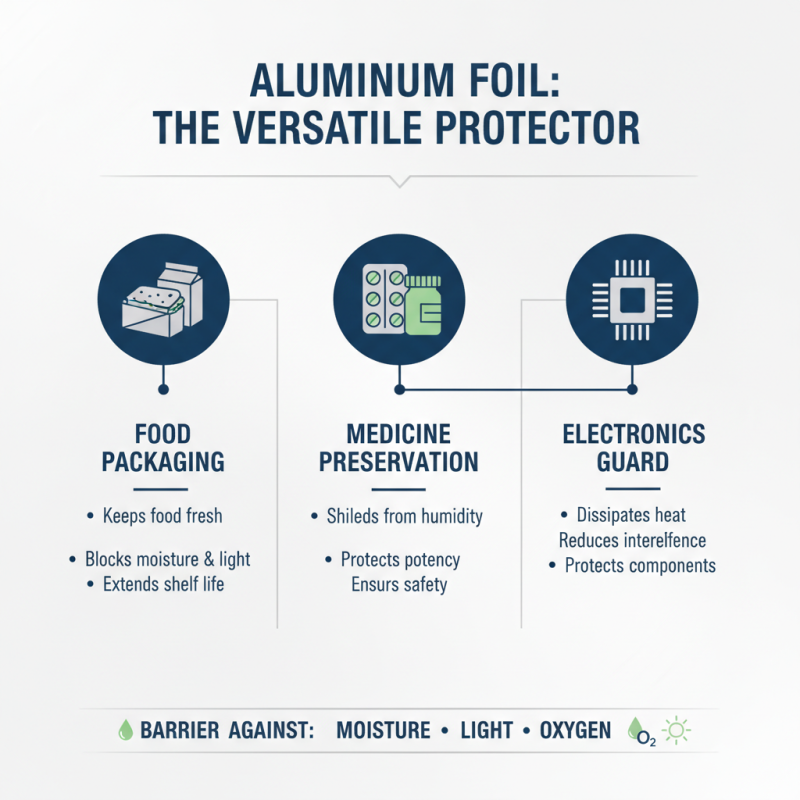
Aluminium paper is a versatile material widely used across various industries. Its reflective properties make it an excellent choice for packaging foods, medicines, and electronic components. The thin layer of aluminum acts as a barrier, protecting contents from moisture, light, and oxygen. This preservation is essential for maintaining the quality and safety of products.
In the food industry, aluminium paper ensures longer shelf life for snacks and meals. It keeps items fresh and flavorful. In pharmaceuticals, it is crucial for packaging tablets and ointments, preventing contamination. Electronic devices are often wrapped in aluminium paper to shield them from static electricity and environmental factors. However, the disposal of aluminium paper can be a challenge, leading to environmental concerns. Recycling options are sometimes limited. Innovations are needed to address these issues.
While aluminium paper is widely used, its production process raises questions. The manufacturing impact on energy consumption can be significant. Understanding these trade-offs is important for developing sustainable solutions. Future developments may focus on creating greener alternatives. The balance between utility and environmental responsibility remains a key challenge for many industries.
Market Trends: Aluminium Paper Demand and Production Statistics
Aluminium paper is gaining traction in various industries. Its lightweight and durability make it a preferred choice for packaging. The demand for aluminium paper has been steadily increasing, particularly in food packaging. Consumers prefer products that offer better preservation. This shift has led to a surge in production statistics over recent years.
Manufacturers are adapting to meet this rising demand. They are investing in sustainable practices to enhance the production process. However, challenges remain. The recycling of aluminium paper is not as straightforward as other materials. Many facilities are not equipped to process it. This creates a gap in the market. Continuous evaluation of production methods is necessary.
Market trends show growth in sectors like pharmaceuticals and cosmetics. These industries seek innovative packaging solutions. Yet, there remains inconsistency in supply chain management. Fluctuations in raw material costs can impact production rates. Addressing these issues is essential for future advancements in aluminium paper usage.
Environmental Impact and Recycling of Aluminium Paper
Aluminium paper is a versatile material. It is often used for packaging and insulation. Its reflective surface helps keep food fresh by preventing light and moisture. However, aluminium paper's environmental impact raises concerns. The production process requires significant energy, which contributes to greenhouse gas emissions.
When it comes to recycling, not all aluminium paper is created equal. Many recycling facilities struggle with items that are contaminated with food. This makes recycling more complicated than it needs to be. People often toss aluminium paper into regular bins, which complicates the waste management process.
The good news is that, when properly recycled, aluminium can be reused multiple times. This reduces the depletion of natural resources. But the recycling rates remain low in many areas. It's crucial to educate the public on how to dispose of aluminium paper correctly. Awareness can lead to better recycling practices and a reduced carbon footprint.
Environmental Impact of Aluminium Paper Usage
This bar chart represents the environmental impact of aluminium paper through three key metrics: the recycling rate which stands at 70%, the energy consumption of 12 MJ/kg, and the CO2 emissions of 8 kg/kg associated with aluminium paper production and usage.