How to Use Alu Foil for Cooking Tips and Creative Ideas in 2025
In the culinary world, aluminum foil, or "alu foil," has established itself as an indispensable tool for both amateur cooks and professional chefs alike. As we approach 2025, innovative techniques and creative uses for alu foil continue to emerge, making cooking more efficient and enjoyable. Renowned food scientist Dr. Emily Hart, a leading expert in food packaging and preservation, emphasizes the versatility of alu foil, stating, "Alu foil not only protects food from contamination but also enhances cooking techniques by allowing for moisture retention and flavor infusion."
In this evolving landscape of culinary practices, understanding how to harness the potential of alu foil can elevate your cooking experience. From wrapping delicate meats to steaming vegetables, the possibilities are endless. Whether you're grilling outdoors or preparing a meal in your kitchen, alu foil allows for unique cooking methods that can save time and enhance flavor profiles. As we delve into various tips and creative ideas, you'll discover how this simple yet effective material can transform your approach to cooking in the years to come. Prepare to explore innovative uses for alu foil that will inspire you to unleash your culinary creativity.
Understanding Aluminum Foil: Types and Properties for Cooking
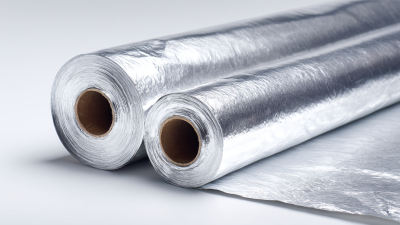
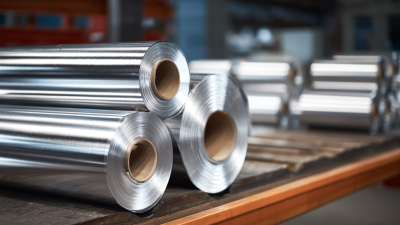
Aluminum foil is a versatile kitchen staple that comes in various types and possesses unique properties that enhance cooking experiences. Generally, there are two main types of aluminum foil: standard and heavy-duty. Standard aluminum foil is lightweight and ideal for tasks such as wrapping food, lining baking sheets, or covering leftovers. However, for more challenging cooking methods like grilling or roasting, heavy-duty aluminum foil is recommended due to its greater thickness and durability, which can withstand high temperatures and prevent tearing.
Understanding the properties of aluminum foil is crucial for maximizing its benefits in the kitchen. It is an excellent conductor of heat, making it perfect for even cooking and browning. Additionally, aluminum foil reflects heat, which can help to protect food from direct exposure to intense heat when used as a cover or tent over dishes. Its ability to trap moisture also aids in retaining flavors and preventing drying out during cooking, making it a valuable tool for baking, steaming, and even slow-cooking. By selecting the appropriate type of aluminum foil and utilizing its inherent properties, home cooks can elevate their culinary endeavors in creative and efficient ways.
Essential Cooking Tips for Using Aluminum Foil Effectively
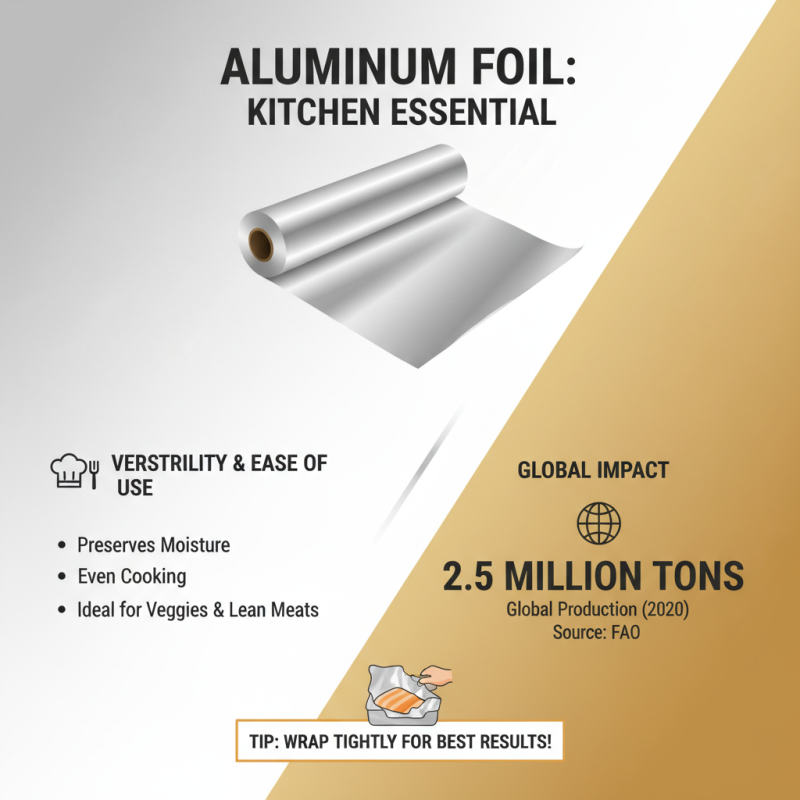
Aluminum foil is an indispensable tool in the kitchen, valued for its versatility and ease of use. According to the Food and Agriculture Organization (FAO), global aluminum foil production reached 2.5 million tons in 2020, highlighting its widespread adoption in culinary practices. One of the essential tips for using aluminum foil effectively is to understand its heat conductivity. By wrapping food items tightly in foil, you not only preserve moisture but also facilitate even cooking. This method is particularly useful for vegetables and lean meats, as it minimizes the risk of drying out while ensuring thorough heat distribution.
Another valuable cooking technique involves using aluminum foil for baking. Research by the Institute of Food Technologists reveals that using aluminum foil as a baking surface can help control browning and provide a crisp texture. For example, placing foil on top of dishes like casseroles can prevent over-browning while allowing the dish to cook evenly. Additionally, using foil to create makeshift steam packets can enhance flavors and preserve nutrients, making this a simple yet effective method to elevate your cooking. By incorporating these strategies, home cooks can maximize the benefits of aluminum foil while enjoying a range of delicious and healthful meals.
Creative Ways to Use Aluminum Foil for Meal Preparation
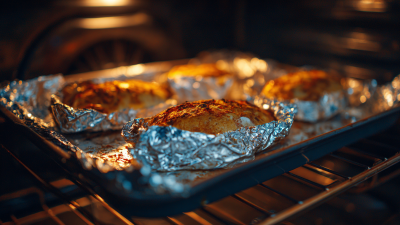
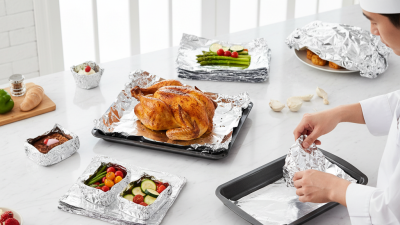
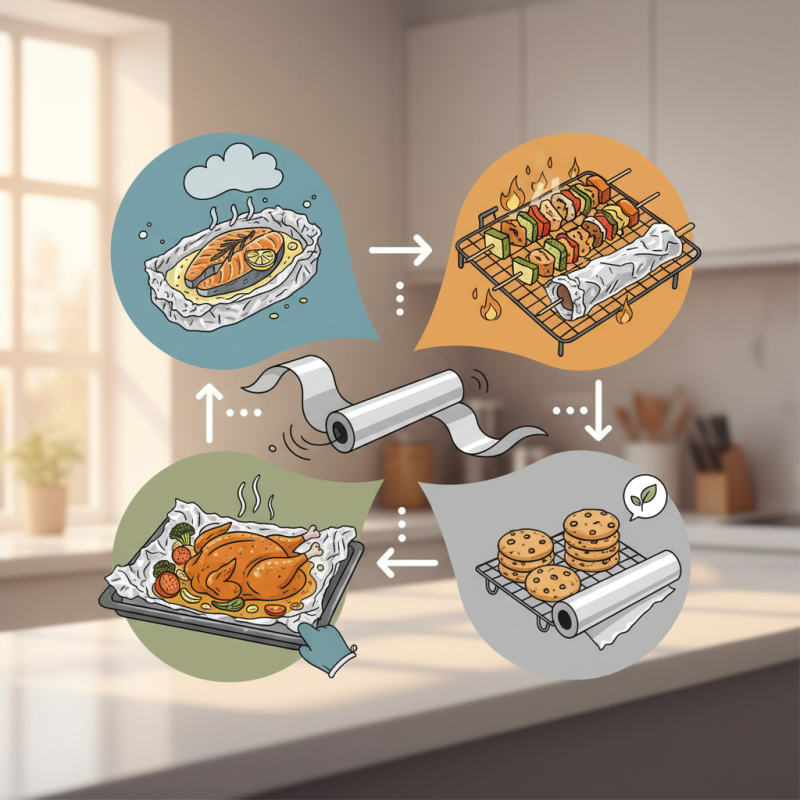
Aluminum foil is a versatile tool that can elevate your meal preparation in creative ways. One innovative use is as a cooking pouch for meats and vegetables. Simply place your ingredients on a sheet of foil, add seasonings, and fold it into a sealed packet. This method traps steam and flavors, resulting in tender and juicy dishes. It’s perfect for grilling or baking and allows for easy clean-up too. Experiment with different combinations of herbs, citrus, and broth to enhance the natural flavors of your food.
Another clever application of aluminum foil is for portion control and meal prep. You can create individual portions of snacks, fruits, or even prepped meals by wrapping them in foil. This not only helps in keeping the food fresh but also makes it easy to grab a meal on the go. Additionally, using foil as a divider in your baking tray can help create distinct sections for different foods, ensuring they don’t mix flavors while cooking. With a little creativity, aluminum foil can transform the way you prepare and enjoy meals.
Safety Considerations When Cooking with Aluminum Foil
When cooking with aluminum foil, it’s important to keep safety considerations in mind to ensure a healthy culinary experience. One of the primary concerns is the potential leaching of aluminum into food, especially when cooking acidic ingredients such as tomatoes or citrus. To minimize this risk, consider placing parchment paper between the foil and the food. This simple layer acts as a barrier, reducing direct contact and preventing any interaction with acid.
Another safety tip is to avoid using aluminum foil in high-temperature settings, particularly in microwave ovens. Foil can cause sparks and may lead to fire hazards. Instead, use microwave-safe dishes when needed. Additionally, when wrapping food for baking or grilling, ensure that the foil is not tightly wrapped, as this can create pressure and increase the risk of the foil bursting or leaking, particularly if the food releases steam.
Lastly, always avoid reusing aluminum foil from previous cooking sessions, as this can introduce contaminants and bacteria into your food. Instead, opt for fresh sheets each time to ensure your meals are safe and hygienic. By following these precautions, you can enjoy the versatility of aluminum foil in your cooking while prioritizing health and safety.
Innovative Aluminum Foil Cooking Techniques for 2025
In 2025, innovative aluminum foil cooking techniques are transforming the way we prepare meals, harnessing both convenience and culinary creativity. According to recent industry reports, the global market for aluminum foil in the food sector is projected to reach over $38 billion by 2026, highlighting its growing popularity among home cooks and professional chefs alike. The lightweight and malleable nature of aluminum foil makes it an essential kitchen tool, allowing for unique cooking methods that enhance flavors and preserve moisture.
One standout technique gaining traction is the use of foil packets for grilling or baking, which infuses foods with aromas while locking in natural juices. Culinary experts recommend combining meats, vegetables, and herbs in a foil envelope, providing an easy cleanup and reducing the need for additional oils or fats. Data from cooking surveys indicates that meals prepared using this method are deemed more flavorful and tender, aligning with the rising consumer preference for healthier cooking practices.
Moreover, advancements in foil technology have led to thicker, more heat-resistant options that can withstand higher temperatures, making them ideal for a variety of cooking environments.
Additionally, the artistic use of aluminum foil in food presentation is on the rise. Creative chefs are now shaping foil into stunning sculptural forms that serve as edible plates or decorative elements for dishes, emphasizing the aesthetic aspect of dining. Research shows that visually appealing meals not only enhance the eating experience but can increase portion control and satisfy consumers' desire for artful presentations.
As culinary trends evolve, aluminum foil remains a versatile ally in both functional and imaginative cooking, paving the way for endless possibilities in the kitchen.