Top Trends in Industrial Aluminum Foil for 2025 You Need to Know
As we move towards 2025, the industrial aluminum foil market is poised for significant transformations driven by innovation, sustainability, and evolving consumer needs.
 Industrial aluminum foil has established itself as a vital component across various industries, including packaging, automotive, and construction. The versatility of this material not only enhances product performance but also contributes to cost efficiency and brand differentiation.
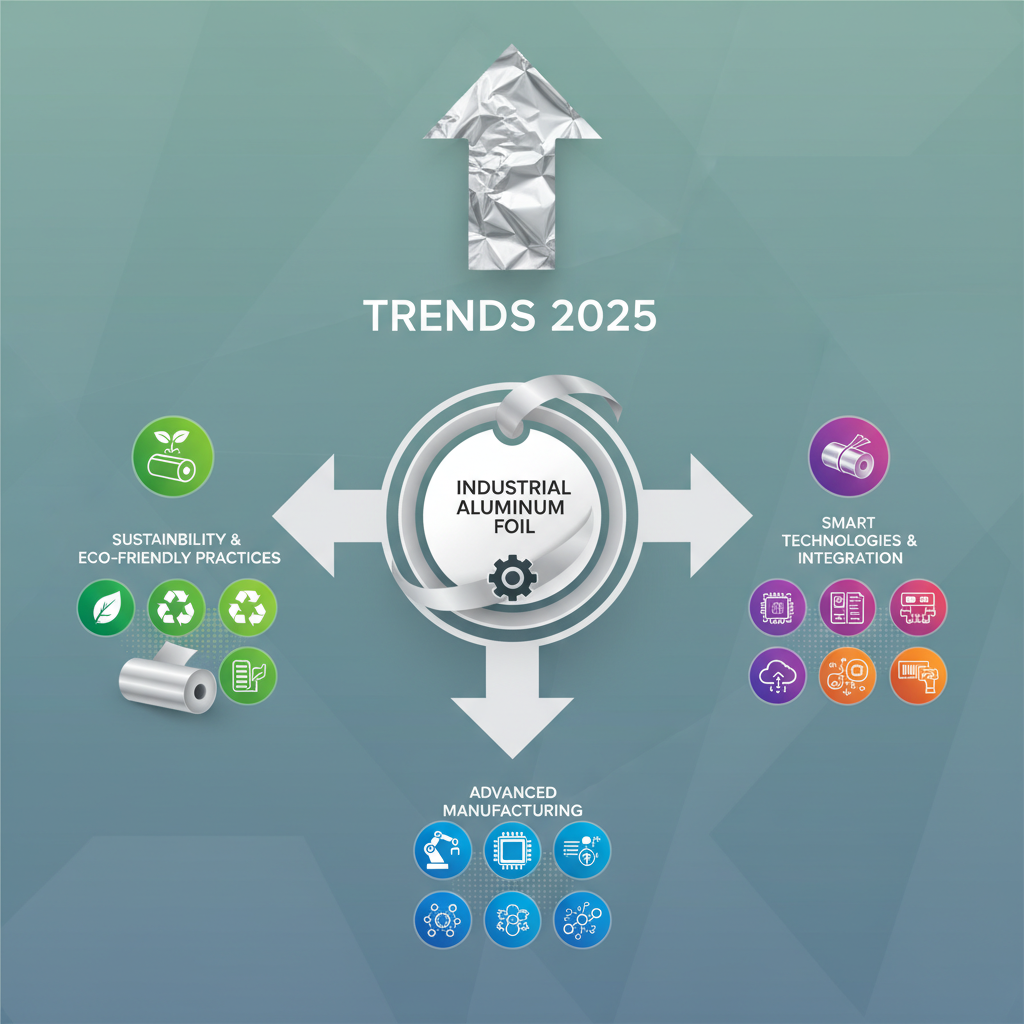
In the coming years, several trends are expected to reshape the landscape of industrial aluminum foil, including advancements in manufacturing techniques, the adoption of eco-friendly practices, and the integration of smart technologies.
Businesses and manufacturers must stay informed about these developments to remain competitive and responsive to market demands.
Understanding the critical trends that will define industrial aluminum foil in 2025 is essential for industry stakeholders aiming to leverage the potential of this ubiquitous material.
Emerging Applications of Industrial Aluminum Foil in 2025
In 2025, industrial aluminum foil is set to play a transformative role across various sectors, driven by its unique properties and versatility. One of the most promising emerging applications lies in the packaging industry, where aluminum foil offers superior barrier protection against moisture, air, and light. This is crucial for preserving the freshness of food products and pharmaceuticals, making it an ideal choice for sustainable packaging solutions. As environmental concerns grow, manufacturers are increasingly turning to aluminum foil, which is recyclable and reduces overall carbon footprints compared to conventional materials.
Additionally, the aerospace and automotive sectors are likely to witness significant advancements with the use of aluminum foil. Its lightweight nature contributes to enhanced fuel efficiency and lower emissions in vehicles and aircraft. In manufacturing, aluminum foil is being innovatively utilized in thermal insulation materials, providing effective energy conservation. As industries strive for more efficient and sustainable solutions, the demand for industrial aluminum foil will continue to rise, making it a vital component in a variety of applications by 2025.
Sustainable Production Practices for Aluminum Foil Manufacturing
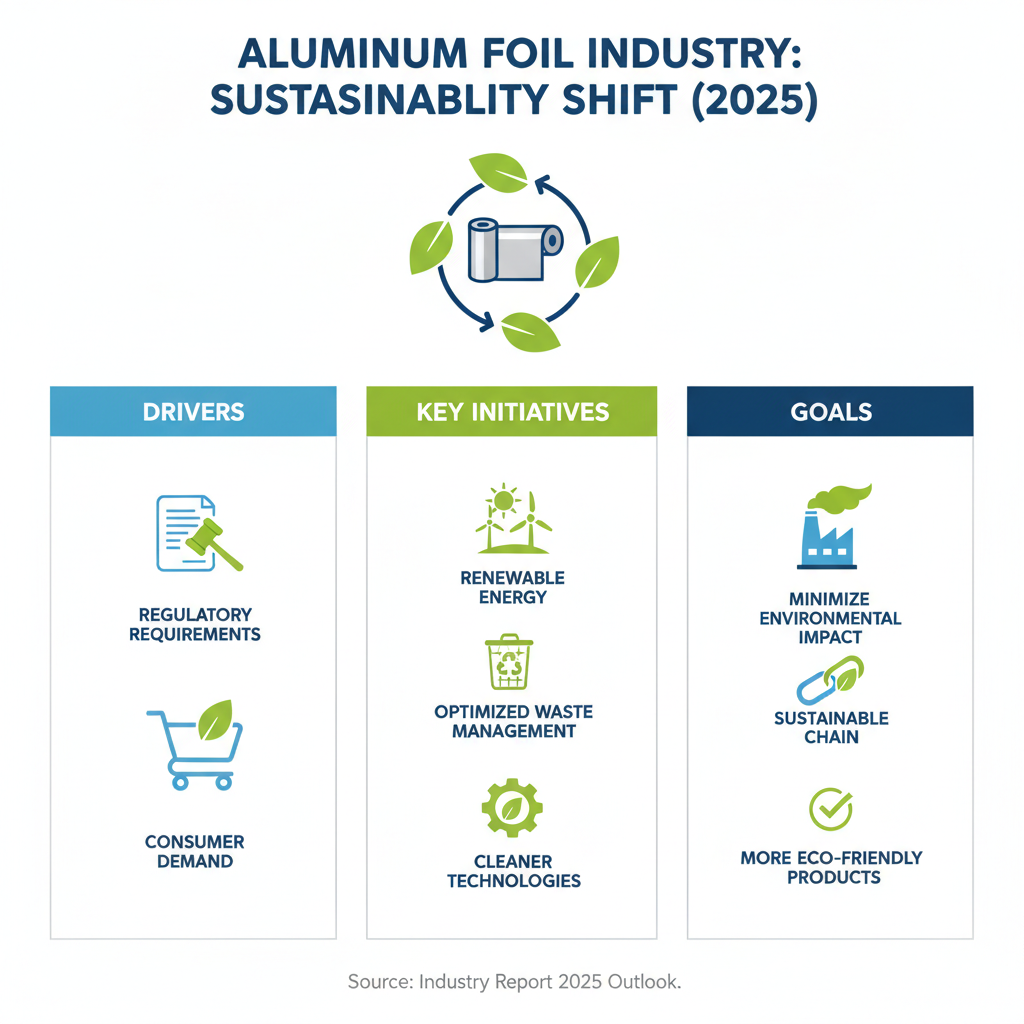
The aluminum foil industry is witnessing a significant shift towards
sustainable production practices as we approach 2025.
Manufacturers are increasingly adopting eco-friendly methods to minimize environmental impact while maintaining efficiency.
This trend is not only driven by regulatory requirements but also by consumer demand for environmentally responsible products.
Companies are investing in cleaner technologies, such as adopting renewable energy sources and optimizing waste management processes,
to create a more sustainable supply chain.
Tips: Consider incorporating recycled materials into your product lines.
Utilizing post-consumer recycled aluminum can significantly reduce energy consumption and emissions, making your manufacturing processes greener.
Additionally, staying updated on industry innovations can help you identify new sustainable practices that could benefit your operations.
Moreover, enhancing energy efficiency remains a critical consideration in aluminum foil production.
By implementing advanced machinery and energy-efficient designs, manufacturers can reduce their carbon footprint while also cutting operational costs.
This proactive approach to sustainability not only benefits the planet but also positions companies as leaders in an increasingly eco-conscious market.
Tips: Invest in energy-efficient equipment and regularly audit your energy usage.
Simple measures, such as upgrading insulation and optimizing maintenance schedules, can lead to substantial improvements in energy savings across your production facilities.
Advancements in Aluminum Foil Technology and Innovation
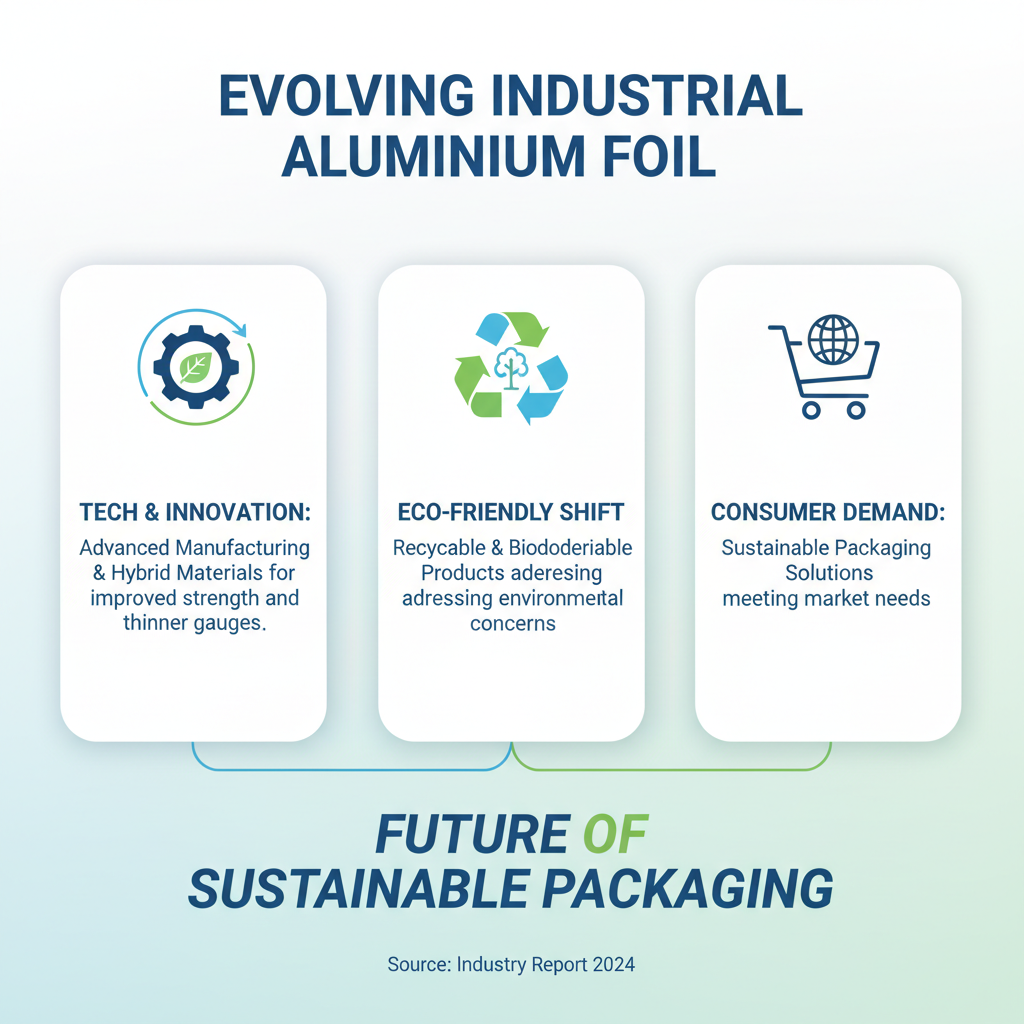
The landscape of industrial aluminum foil is rapidly evolving, driven by significant advancements in technology and innovation.
Manufacturers are increasingly adopting eco-friendly practices, leading to the development of recyclable and biodegradable aluminum foil products. This shift not only addresses environmental concerns but also meets the growing consumer demand for sustainable packaging options. Innovations such as hybrid materials that enhance the strength and durability of aluminum foil provide additional benefits, allowing for thinner coatings without compromising performance.
Moreover, advancements in production techniques, including automated manufacturing and precision engineering, are enhancing the efficiency and scalability of aluminum foil production. These technologies enable suppliers to deliver customized solutions tailored to specific industrial needs, ranging from food packaging to insulation applications.
The integration of smart technology in aluminum foil, such as QR codes for tracking and authentication, is also becoming more prevalent. This digital transformation enhances supply chain transparency and provides end-users with valuable information about the product's origins and sustainability credentials. As we move toward 2025, these trends will undoubtedly shape the future of the aluminum foil industry.
Market Demand and Consumer Preferences Shaping the Aluminum Industry
The demand for industrial aluminum foil is significantly influenced by evolving consumer preferences and market trends as we approach 2025. With a focus on sustainability and convenience, industries such as food packaging are shifting towards lightweight and recyclable packaging solutions. This trend is particularly evident in the growing vacuum-sealed packaging market, which is anticipated to rise from $360.1 billion in 2025 to an impressive $532.1 billion by 2035, reflecting a robust compound annual growth rate (CAGR) throughout the decade.
Furthermore, the aluminum extrusion market is also poised for growth, with projections indicating a market value of $44.7 million in 2025. By 2033, this figure is expected to reach $63.1 million, supported by a CAGR of 4.4%. The increased utilization of aluminum extrusions in various applications, including construction and automotive industries, is contributing to the overall boom in aluminum demand. The interplay of these market dynamics illustrates how consumer preferences are fundamentally shaping the aluminum industry and driving innovations in aluminum foil products.
Competitive Landscape: Key Players in the Aluminum Foil Market for 2025
The competitive landscape of the aluminum foil market for 2025 is shaping up as various key players continue to innovate and expand their market presence. Companies are increasingly focusing on sustainable practices and enhancing product quality to meet the rising consumer demand for eco-friendly packaging solutions. This trend is reflected in the projected growth of the aluminum foil packaging market, which is anticipated to reach USD 28.5 billion by 2025 and further increase to USD 48.7 billion by 2035.
In addition to traditional applications, manufacturers are exploring new uses for aluminum foil, particularly in the food and pharmaceutical industries. The versatility of aluminum foil makes it an attractive option for packaging due to its barrier properties and ability to preserve product freshness. With advancements in technology, the key players are investing in research and development to create innovative product solutions that cater to diverse consumer needs while maintaining cost-effectiveness and efficiency. This dynamic market landscape will continue to evolve as competition intensifies and new market entrants emerge, further influencing the global aluminum foil industry by 2025.