2025 How to Choose the Best Foil Wrap for Your Cooking Needs and Meal Prep
In the culinary world, the choice of materials can significantly impact the quality of meal preparation and preservation.
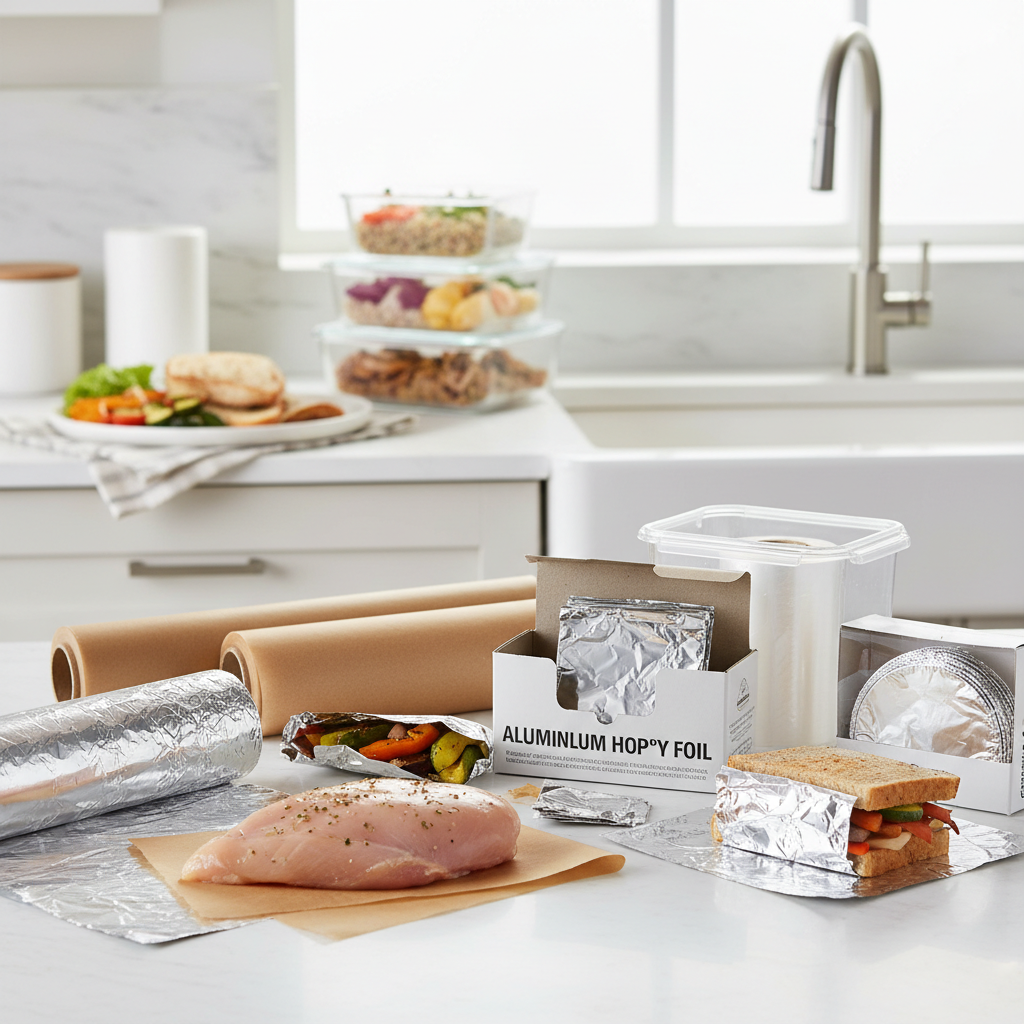
Foil wrap, as a versatile kitchen staple, not only aids in cooking but also enhances the storage of food items.
According to a report by Grand View Research, the global aluminum foil market was valued at approximately $27 billion in 2020 and is projected to grow at a CAGR of 5.2% from 2021 to 2028.
This growth is indicative of the increasing reliance on foil wrap for both home cooks and professional chefs, highlighting its importance in modern kitchens.
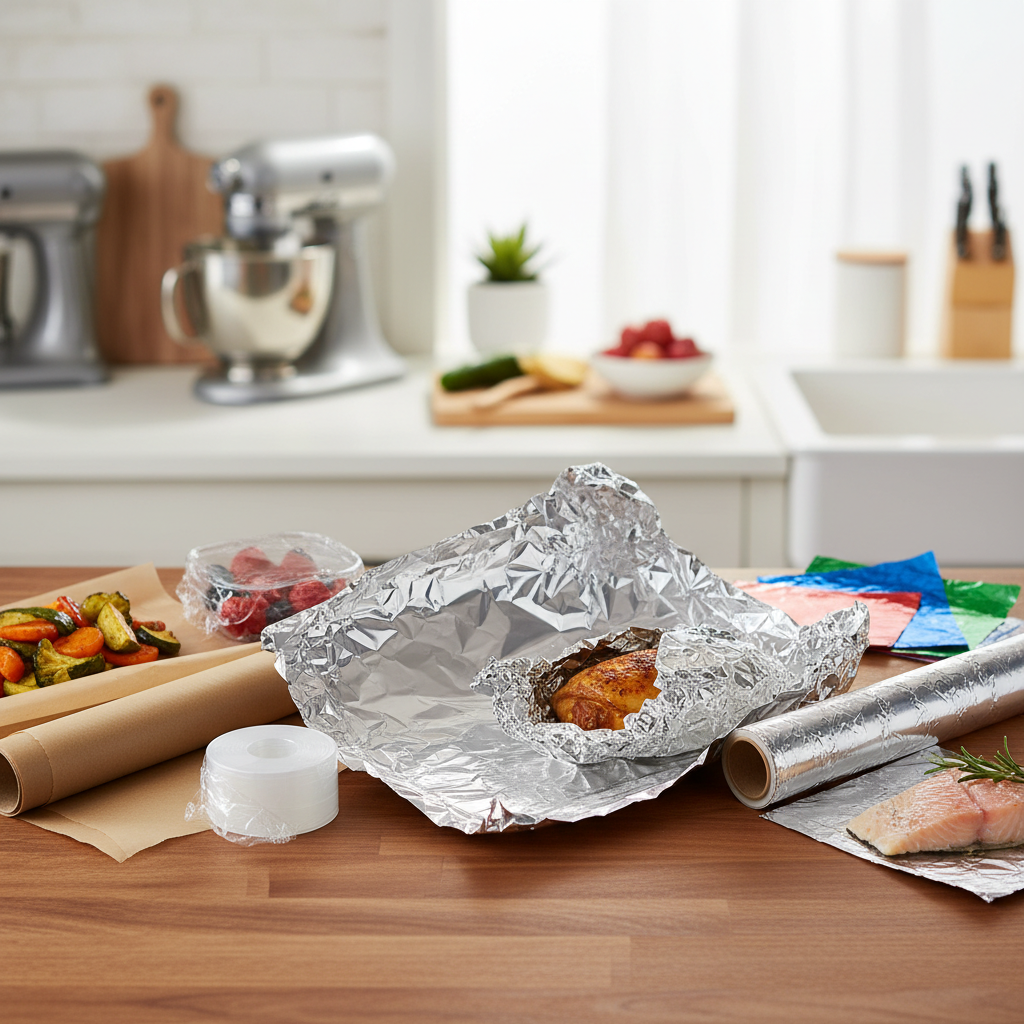
As consumers continue to seek convenience and efficiency in meal prep, the demand for high-quality foil wrap has surged.
A study conducted by The Food Packaging Forum noted that proper use of foil wrap can extend the shelf life of certain food products by up to three times, making it an essential tool for food preservation.
Whether you are roasting, baking, or storing leftovers, the right foil wrap can make a considerable difference in maintaining flavor and preventing waste.
With an array of options available in the market, it's crucial to understand which type of foil wrap best suits your cooking needs to maximize efficiency and quality in every meal.
Understanding Different Types of Foil Wraps: Uses and Benefits
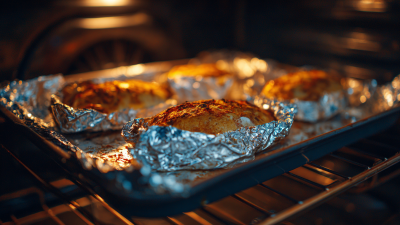
When it comes to meal prep and cooking, understanding the different types of foil wraps can significantly enhance your culinary experience. Aluminum foil is the most common type, known for its excellent heat conductivity and ability to retain moisture, making it perfect for roasting vegetables or baking fish. On the other hand, heavy-duty foil offers added strength and is ideal for grilling or wrapping foods for freezing, as it better withstands punctures and tears.
To choose the right foil wrap, consider the specific use-case for your cooking needs. For tasks requiring a tight seal, such as wrapping leftovers or marinating, choose standard aluminum foil. If you need something more robust for cooking on the grill, heavy-duty foil will provide extra protection against high heat and food sticking.
**Tips:** Always preheat your oven before placing dishes wrapped in foil to ensure even cooking. For a quick and easy cleanup, line baking sheets with foil before cooking. Lastly, remember to avoid using foil with acidic foods like tomatoes, as the acid can react with the aluminum, altering the flavor and potentially leaching toxins.
2025 How to Choose the Best Foil Wrap for Your Cooking Needs and Meal Prep
| Type of Foil Wrap |
Uses |
Benefits |
| Standard Aluminum Foil |
Wrapping food, covering dishes, baking |
Conducts heat well, easy to mold |
| Heavy-Duty Foil |
Grilling, freezing, cooking |
Stronger and more durable, resists tearing |
| Non-Stick Foil |
Baking, roasting, delicate foods |
Prevents sticking, easy cleanup |
| Reynolds Wrap |
Covering leftovers, cooking |
Versatile, lightweight, and effective |
| Anodized Aluminum Foil |
Baking, high-temperature cooking |
Resistant to certain acids, better for high-heat |
Key Considerations When Selecting Foil Wrap for Meal Prep
When selecting the best foil wrap for meal prep, several key considerations come into play. First and foremost, the gauge of the foil is critical. Industry experts recommend opting for heavy-duty aluminum foil, typically ranging from 0.016 to 0.025 mm in thickness, as it offers superior durability and resistance to tearing. This is particularly important when wrapping foods that have sharp edges or when using the foil in high-temperature cooking methods such as roasting or grilling. Data from a 2023 industry report showed that heavy-duty aluminum foil is preferred by 68% of professional chefs for its versatility and strength.
Another important consideration is the type of coating on the foil. Non-stick options are highly advantageous for meal prep, as they prevent food from adhering to the surface, making clean-up easier. According to recent consumer surveys, non-stick foil products have seen a rise in popularity, with 54% of home cooks favoring these options for their ease of use. Additionally, it's essential to consider the foil's suitability for various cooking methods; for example, some foils are specifically designed to withstand extreme temperatures while others are best suited for cold storage. Understanding these attributes can significantly enhance your meal prep efficiency and food quality.
2025 Cooking Needs and Meal Prep: Best Foil Wrap Selection
Comparing Thickness and Durability: Which Foil Wrap Suits Your Cooking Style?
When it comes to choosing the right foil wrap for your cooking needs, understanding the differences in thickness and durability can significantly impact your meal prep efficiency. Thinner aluminum foils are often less expensive and great for light-duty tasks, such as wrapping sandwiches or covering leftovers. However, they may tear easily, making them less suitable for high-heat cooking or grilling. If you frequently undertake these activities, investing in a heavier gauge foil can prove beneficial.
On the other hand, heavy-duty aluminum foil excels in versatility and resilience, making it an excellent choice for baking, roasting, and even outdoor grilling. Its sturdiness helps it withstand high temperatures and prevents sticking, ensuring that your dishes come out perfectly every time. Additionally, for tasks that require marinating or storing food, a thicker foil wrap can seal in flavors and moisture much more effectively than its thinner counterpart. By selecting the appropriate thickness based on your cooking style, you can enhance both the quality of your meals and the convenience of your prep work.
Environmental Impact: Choosing Eco-Friendly Foil Wrap Options
When considering the environmental impact of foil wraps, it is essential to prioritize options that offer sustainability without compromising functionality. Traditional aluminum foil, while versatile, poses significant environmental challenges due to its energy-intensive production process and non-biodegradable nature. In contrast, eco-friendly alternatives such as recycled aluminum foil or plant-based wraps made from materials like beeswax or silicone provide viable options that reduce waste and resource consumption. These alternatives not only minimize the ecological footprint but also help consumers align their food preparation practices with a more sustainable lifestyle.
Selecting eco-friendly foil wraps requires awareness of the product's life cycle and its potential for recycling. Recycled aluminum foil can be repurposed multiple times, significantly lowering the demand for new materials. Similarly, plant-based wraps are often compostable, offering a convenient way to dispose of them sustainably after use. By choosing these greener options, consumers contribute positively to the environment, promoting a circular economy. Ultimately, making informed choices in foil wrap selection not only enhances meal prep but also supports broader ecological goals.
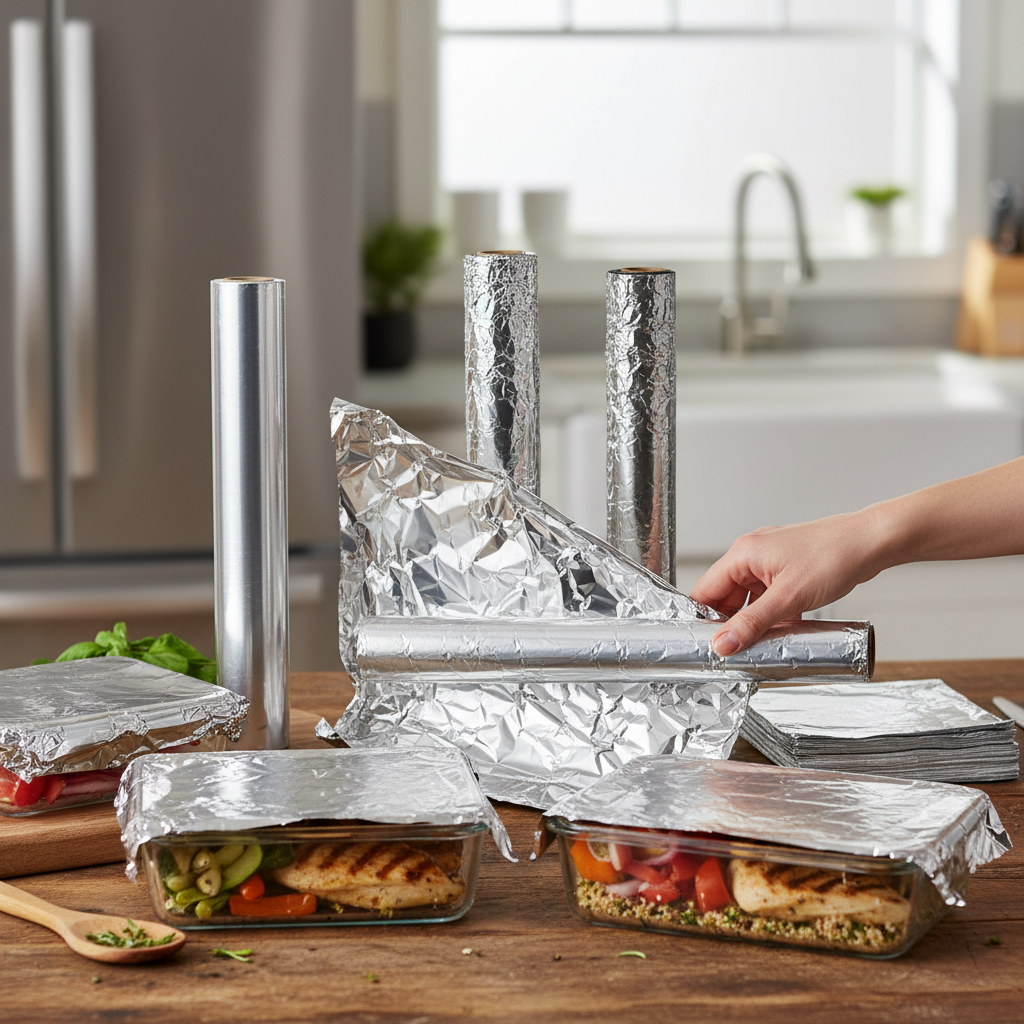
Top Brands of Foil Wraps to Consider for Your Kitchen Essentials
When considering the best foil wrap for your cooking needs, it's essential to look at some of the top brands recognized for their quality and performance. According to a 2022 market research report by Future Market Insights, the global aluminum foil market is projected to reach $30 billion by 2030, driven largely by the increasing demand for convenience in meal preparation. Brands like Reynolds Wrap and kirkland Signature continue to dominate this sector, ensuring consumers have access to reliable and durable foil wraps that can withstand temperature changes and prevent spills.
Reynolds Wrap, for instance, has carved out a significant share of the market, attributed to its heavy-duty options that are ideal for grilling and baking. Their product line also includes wrinkle-free foil that can be easily manipulated to fit various dishes. On the other hand, brands like Boxed and Smart Wrap offer eco-friendly options that cater to a growing consumer interest in sustainability. According to Statista, sales of eco-friendly kitchen products have increased by over 25% since 2020, indicating a clear shift towards environmentally conscious cooking solutions. As you evaluate your meal prep needs, exploring these reputable brands can help you make an informed choice that not only enhances your cooking experience but also aligns with your values.