How to Choose the Right Foil Packaging for Food Safety and Freshness
When it comes to preserving the quality and safety of food products, the choice of packaging plays a crucial role. Among various packaging options,
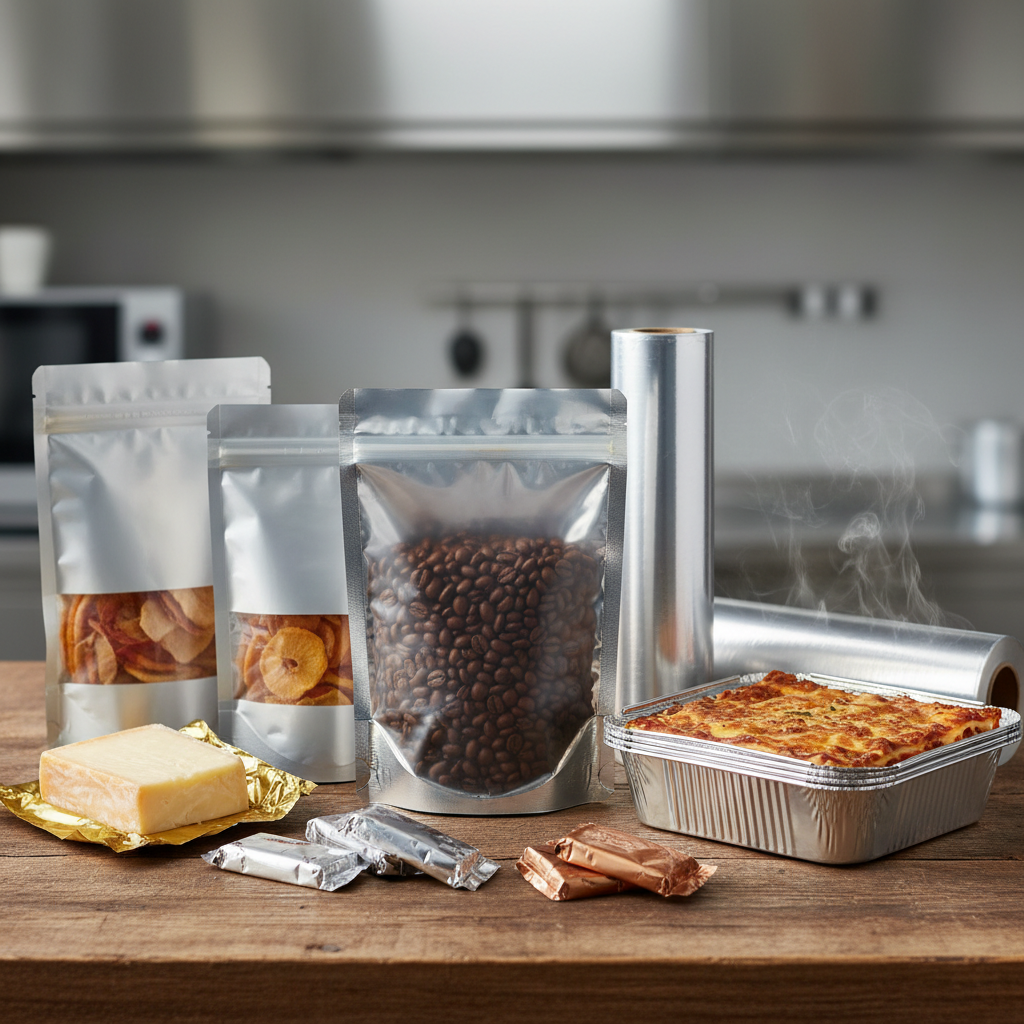
foil packaging stands out as a reliable solution for maintaining
freshness and extending shelf life. This widely used method not only protects food from external elements but also helps in preventing spoilage caused by
moisture and light. In a market overflowing with different materials and designs, selecting the right type of foil packaging can be a daunting task for manufacturers and consumers alike.
Understanding the specific needs of the food product is essential when choosing foil packaging. Factors such as
barrier properties,
durability, and the environmental impact of the materials used must be considered. Additionally, the targeted audience and distribution channels can influence packaging decisions, making it vital to assess all aspects before finalizing a solution.
By delving into the various options available within foil packaging and their benefits, we can better appreciate how to safeguard food safety and freshness effectively. This guide aims to provide insights and considerations that will empower food producers to make informed choices in their packaging strategies.
Factors to Consider for Food Safety in Foil Packaging
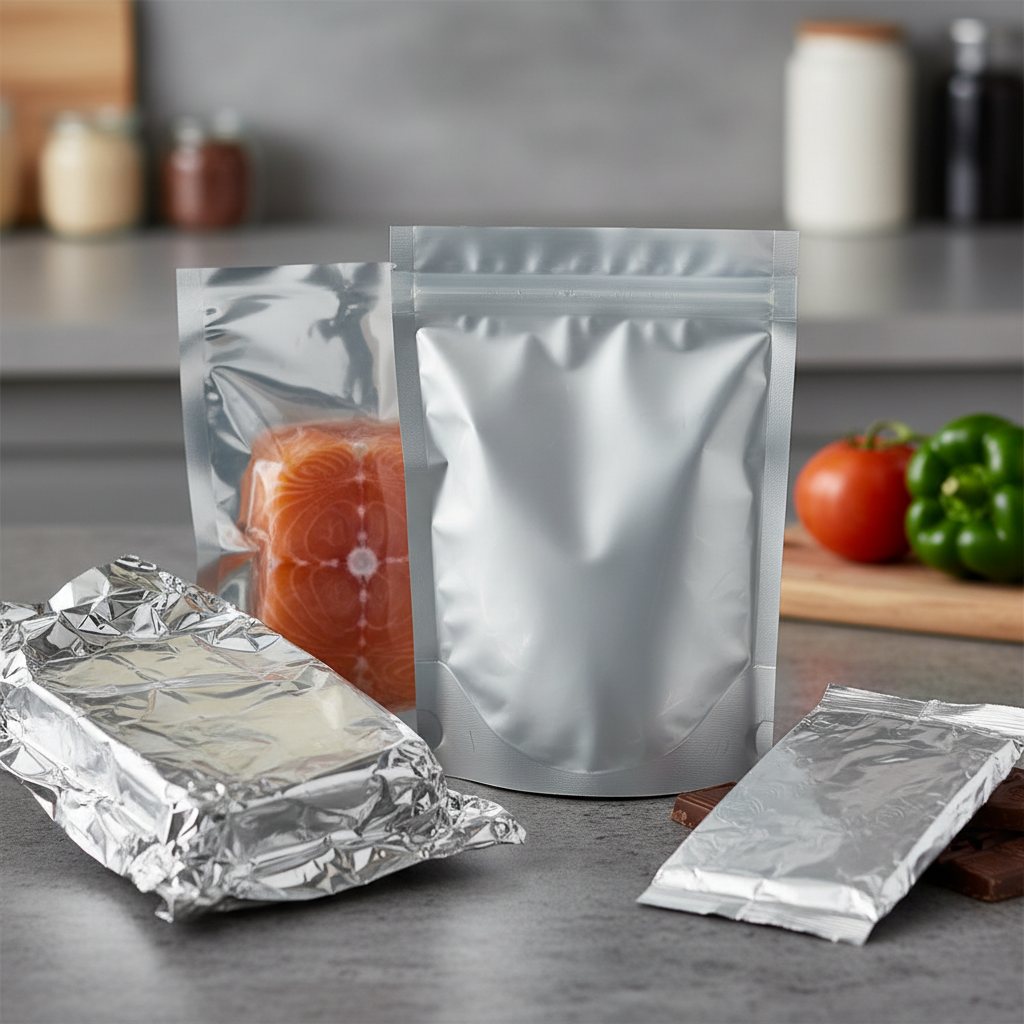
When selecting foil packaging for food safety, several critical factors must be considered. One of the foremost considerations is the barrier properties of the foil. Research by the Institute of Food Technologists indicates that aluminum foil provides an effective barrier to moisture, light, and oxygen, essential for preserving food quality and extending shelf life. For instance, products packaged in high-quality aluminum foil can maintain their flavor and nutritional value for longer periods compared to those in lesser materials, making it a preferred choice for various perishable items.
Another essential aspect is the compatibility of the foil material with the food being packaged. Certain foods may release acids or oils that can react negatively with packaging materials. A study published in the Journal of Food Protection emphasizes the importance of using food-grade foil that is designed to withstand specific pH levels and oil content without compromising food safety. Additionally, the sustainability of the foil packaging should also be evaluated, as more consumers are seeking environmentally friendly options. Reports from the Flexible Packaging Association suggest that 74% of consumers are willing to pay more for sustainable packaging, making it a vital consideration for manufacturers aiming to meet both safety and market demands.
The Importance of Barrier Properties in Foil Packaging
When selecting foil packaging for food items, understanding the importance of barrier properties is crucial in ensuring safety and maintaining freshness. Foil packaging acts as a vital shield against external elements that can compromise the integrity of food products. The right foil can significantly reduce oxygen, moisture, and light penetration, which are pivotal factors contributing to spoilage and degradation. Research indicates that packaging with effective barrier properties can extend the shelf life of food products by up to 50%, as reported by the Packaging Association.
According to the European Organization for Packaging and the Environment (EUROPEN), nearly 30% of food products are wasted globally, largely due to inadequate packaging solutions. Foil packaging, due to its versatile barrier capabilities, can prevent chemical reactions that lead to rancidity in fats and oils. Additionally, studies show that aluminum foil can reduce the transmission of light by over 99%, further protecting sensitive items like chocolate and dairy from quality deterioration. By choosing the right foil packaging based on these barrier properties, manufacturers can not only enhance food safety but also contribute to sustainability efforts by minimizing food waste.
Evaluating Compliance with Food Safety Standards
When selecting foil packaging for food products, compliance with food safety standards is paramount. Different regions and countries have stringent regulations governing the materials used in food packaging to ensure consumer safety. Therefore, it is essential to familiarize oneself with these regulations. Not only do these standards dictate which materials are permissible, but they also address aspects such as chemical migration, which could compromise food safety. Manufacturers should consult local regulations, such as those set forth by the FDA in the United States or the EFSA in Europe, to ensure that their packaging meets all necessary guidelines.
Moreover, testing and certification play a crucial role in evaluating the compliance of foil packaging. Conducting migration tests can help identify any potential risks associated with the materials used, ensuring they do not leach harmful substances into the food. In addition, third-party certifications can provide an added layer of assurance that the packaging meets the required safety standards. By prioritizing compliance and conducting thorough assessments, manufacturers not only protect consumers but also enhance their brand’s reputation in the marketplace.
How to Choose the Right Foil Packaging for Food Safety and Freshness
| Packaging Type |
Material Used |
Barrier Properties |
Compliance Standards |
Shelf Life (Months) |
| Vacuum Sealed Foil |
Aluminum Foil |
Excellent (Oxygen & Moisture) |
FDA, USDA Approved |
12-24 |
| Retort Pouch |
Laminated Foil |
Good (Heat & Moisture) |
FDA, ISO 22000 |
18-24 |
| Foil Bag |
Polyester/Aluminum |
Moderate (Light & Moisture) |
FDA Compliant |
6-12 |
| Aluminium Clamshell |
Aluminum |
Good (Oxygen, Heat) |
USDA Approved |
12 |
| Stand-Up Pouch |
Foil/Polyester |
High (Moisture & Oxygen) |
FDA, GMP Certified |
12-18 |
Tips for Choosing the Right Thickness and Material
When it comes to ensuring food safety and freshness, selecting the appropriate foil packaging is crucial. The thickness and material of the foil play a significant role in protecting food from environmental factors and maintaining its quality. Choosing the right packaging involves understanding the specific needs of the food product you are working with, as well as the conditions in which it will be stored.
**Tips for Choosing the Right Thickness and Material:** First, consider the type of food being packaged. For moisture-sensitive items, a thicker foil can offer better barrier protection against humidity and air. Additionally, look for materials that are food-safe and free from harmful chemicals, as these will ensure the safety of the contents. It’s also essential to consider the packaging's intended use; items meant for long-term storage will benefit from heavier-grade foil, while smaller portions may only need lighter materials.
Furthermore, evaluate the packaging’s heat resistance and its suitability for freezing as well. For items that will undergo temperature variations, using specialized foils designed for extreme temperatures can prevent contamination and maintain integrity. By paying attention to these factors, you can select the ideal foil packaging that preserves food safety and freshness effectively.
Foil Packaging Thickness vs. Food Safety and Freshness
Best Practices for Ensuring Freshness and Shelf Life
When it comes to food packaging, ensuring freshness and extending shelf life are paramount. According to a report from the Food Packaging Association, approximately 60% of food spoilage is attributed to inadequate packaging. Therefore, choosing the right foil packaging can significantly impact the longevity and safety of food products.
Foil packaging acts as a barrier to moisture, air, and light, which are major contributors to food degradation. This is particularly vital for sensitive items like snacks, dairy products, and pharmaceuticals, where maintaining quality is essential.
Best practices for utilizing foil packaging include selecting the appropriate thickness and barrier properties based on the food type. For example, a study published in the Journal of Food Science indicates that using multi-layered foil laminates can reduce oxygen transmission rates by up to 90%, effectively prolonging shelf life. Additionally, incorporating vacuum sealing techniques can further prevent oxidation, preserving the flavor and nutritional value of food items. As the demand for longer-lasting products grows in the market, understanding and implementing these practices can optimize both food safety and freshness.