What is Aluminium Foil Paper for Food Packaging and Its Benefits
Aluminium foil paper for food packaging has become an essential material in the culinary and food service industries due to its unique properties and versatility. This thin yet durable layer of aluminium serves as an effective barrier against moisture, light, and oxygen, making it an ideal choice for preserving the freshness and quality of food products. In an era where food safety and sustainability are increasingly prioritized, understanding the benefits of aluminium foil paper is vital for both consumers and manufacturers.
The use of aluminium foil paper for food packaging not only helps prolong shelf life but also enhances convenience in storing and cooking. It is widely recognized for its heat resistance and ability to retain heat, which allows for efficient cooking methods such as baking and grilling. Furthermore, its lightweight and pliable nature make it easy to shape and wrap around various food items, accommodating diverse culinary needs. This introduction will explore the myriad of advantages that aluminium foil paper offers, revealing why it has become a cornerstone in food packaging solutions.

What is Aluminium Foil Paper and Its Composition
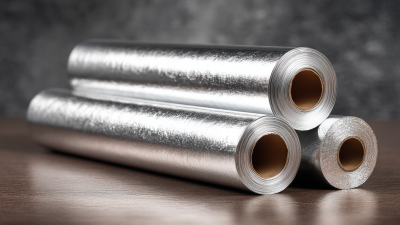
Aluminium foil paper, primarily used in food packaging, is made from approximately 92% aluminium. The key attribute of aluminium foil is its malleability; it can be rolled into thin sheets. This characteristic allows it to be produced in various thicknesses, making it suitable for a wide range of applications, from wrapping food items to creating protective barriers in packaging solutions. The foil is typically comprised of a mix of pure aluminium and small amounts of alloying elements, which enhance its strength and performance.
The composition of aluminium foil paper includes not only the aluminium itself but also various surface treatments that enhance its properties. These treatments can include coating or lacquering, which provide additional benefits such as improved moisture resistance or a non-stick surface. The reflective qualities of aluminium foil also play an essential role, allowing it to reflect heat and light, thereby helping to maintain the temperature of packaged food items. In addition to its functional properties, aluminium foil is recyclable, making it an environmentally friendly choice for food packaging.
Common Uses of Aluminium Foil Paper in Food Packaging
Aluminium foil paper is widely recognized for its versatility in food packaging, offering numerous practical applications in both domestic and commercial settings. One common use is wrapping sandwiches and leftovers, providing an effective barrier against moisture and air, which helps maintain the freshness and flavor of the food. The malleable nature of aluminium foil allows it to conform easily to different shapes, making it an ideal choice for packing a variety of foods, from fruits and vegetables to cooked meats.
Another important application of aluminium foil paper is in baking and cooking. It serves as an excellent tool for lining baking trays and covering dishes in the oven, ensuring even cooking and preventing messes. Additionally, it is used for creating packets for grilling or roasting, where food can be sealed tightly to retain moisture and enhance flavors. The heat-reflective properties of aluminium also contribute to efficient cooking, making it a favorite among chefs and home cooks alike.
What is Aluminium Foil Paper for Food Packaging and Its Benefits - Common Uses of Aluminium Foil Paper in Food Packaging
| Dimension |
Description |
Benefits |
Common Uses |
| Thickness |
Usually ranges from 0.016mm to 0.025mm. |
Provides excellent barrier properties against moisture, light, and air. |
Wrapping food items, cooking, and baking. |
| Thickness Variability |
Can be found in various thicknesses depending on the application. |
Different thicknesses provide flexibility and strength for varied uses. |
Food storage, lining trays, and wrapping sandwiches. |
| Heat Resistance |
Can withstand high temperatures, making it suitable for cooking. |
Prevents food from burning or overcooking when used correctly. |
Grilling, baking, and broiling. |
| Recyclability |
Aluminium foil is recyclable and can be processed multiple times. |
Promotes sustainability and reduces environmental impact. |
Food packaging, catering services, and food delivery. |
Benefits of Using Aluminium Foil Paper for Food Preservation
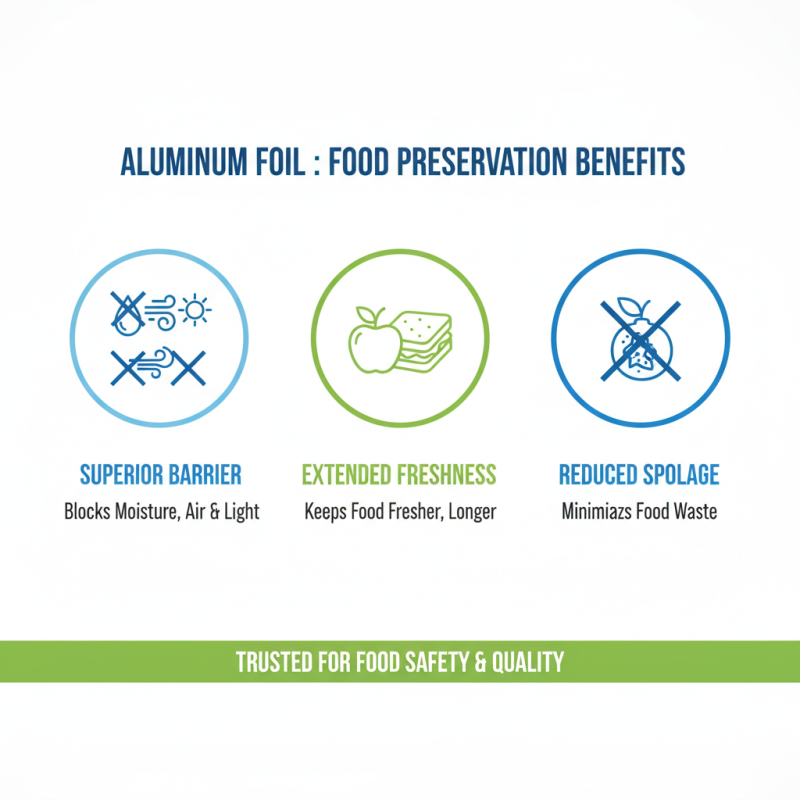
Aluminium foil paper is widely used in food packaging due to its numerous benefits for food preservation. One of the primary advantages is its superior barrier properties, which safeguard food items from external elements such as moisture, air, and light. These elements can lead to spoilage, reducing the quality and safety of the food. By wrapping food in aluminium foil, both prepared meals and raw ingredients can stay fresher for longer periods, thereby minimizing food waste.
Additionally, aluminium foil paper is non-toxic and safe for food contact, making it suitable for wrapping a variety of food items. Its reflective surface helps to maintain temperature, keeping hot foods hot and cold foods cold. This is particularly beneficial for storage and transport. Furthermore, the malleability of the foil allows it to be easily shaped to fit different food items, ensuring a snug fit that enhances preservation. Thus, the versatility and effectiveness of aluminium foil paper make it an invaluable resource in food storage and packaging.
Environmental Considerations of Aluminium Foil Paper
Aluminium foil paper has grown increasingly popular in food packaging due to its unique properties that help preserve food quality. However, it is essential to consider the environmental implications of its production and disposal. The manufacturing process of aluminium foil involves significant energy consumption and contributes to greenhouse gas emissions. This means that while it offers benefits such as durability and heat resistance, its environmental footprint cannot be overlooked.
Recycling plays a crucial role in mitigating the environmental impact of aluminium foil paper. When properly recycled, aluminium can be repurposed without losing its quality, which reduces the need for new raw materials and the associated energy consumption. However, many consumers are unaware that used aluminium foil paper, often perceived as contaminated with food residues, can still be recycled if cleaned properly. Increasing public awareness about recycling practices for aluminium foil is vital in promoting a more sustainable approach to its use in food packaging. This awareness can help create a balance between the benefits of aluminium foil paper and the need to protect the environment.
Environmental Impact of Aluminium Foil Paper in Food Packaging
Alternatives to Aluminium Foil Paper in Food Packaging
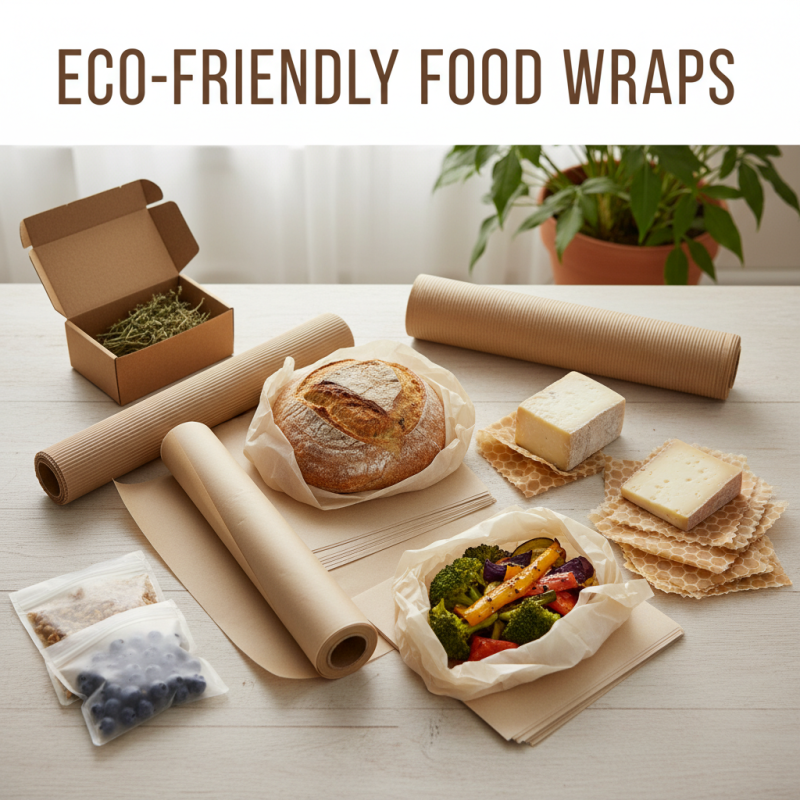
When considering alternatives to aluminium foil paper in food packaging, several eco-friendly and effective options emerge. One popular substitute is parchment paper, which is made from plant cellulose and provides a non-stick surface ideal for baking and wrapping food. Unlike aluminium foil, parchment paper is compostable and typically a better option for the environment, as it does not contribute to plastic waste and is safe for both cooking and food storage.
Another viable alternative is beeswax wraps, which are reusable and made from organic cotton infused with beeswax, resin, and jojoba oil. These wraps conform to the shape of food items and provide an effective barrier against moisture and air, keeping food fresh without the use of plastic or aluminium. Beeswax wraps can be washed and reused multiple times, making them a sustainable choice for individuals looking to reduce their reliance on single-use packaging materials. Additionally, silicone food covers and bags are also gaining popularity. They are waterproof, flexible, and designed to be used repeatedly, significantly lowering waste in comparison to traditional packaging options.