2025 Top 10 Uses of Alu Foil: Unveiling Amazing Benefits and Tips
In the ever-evolving landscape of kitchen supplies, the versatility of alu foil has made it an indispensable tool for both professional chefs and home cooks alike. According to renowned culinary expert Chef María López, "Alu foil is not just for wrapping leftovers; its multifaceted applications can elevate everyday cooking to an art form." As we delve into the top 10 uses of alu foil in 2025, we will uncover incredible benefits and innovative tips that will transform how you approach meal prep and cooking.
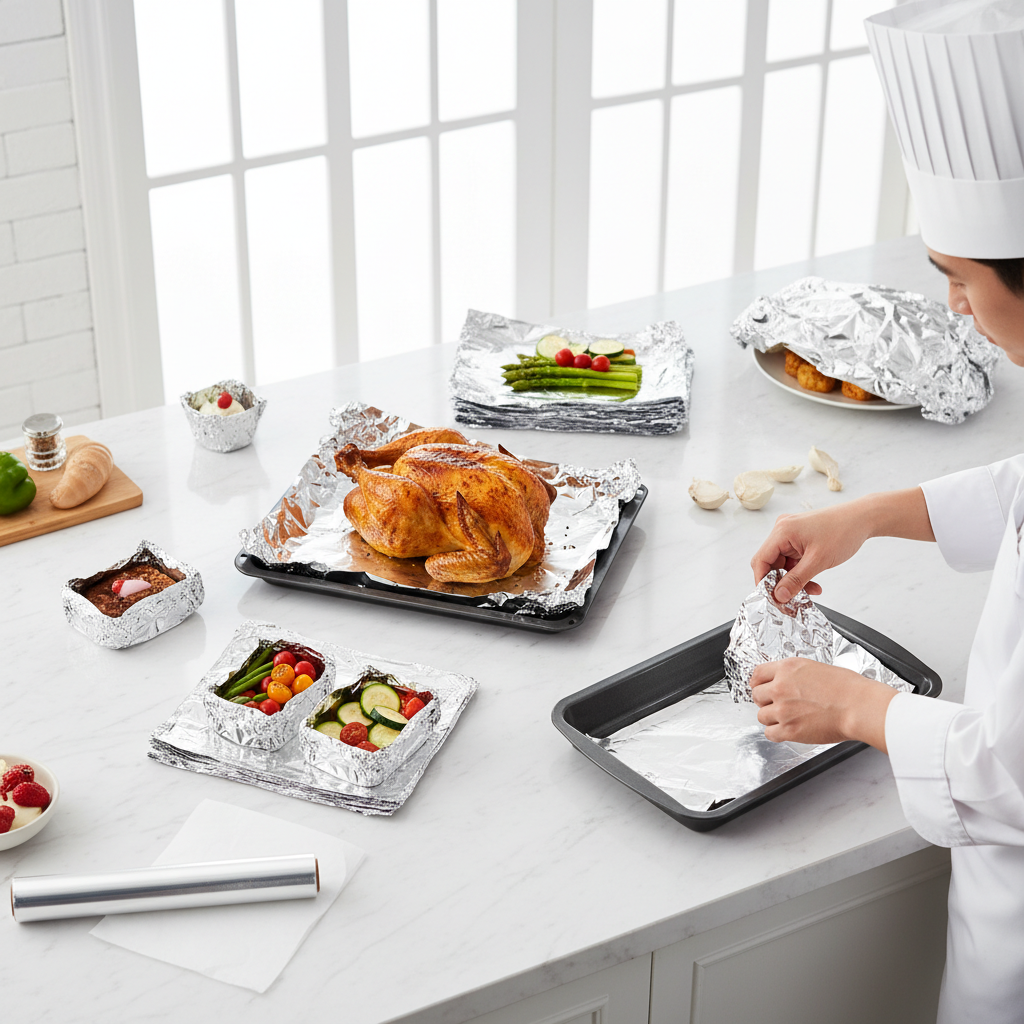
From oven protection to food preservation, alu foil serves a variety of functions that can enhance efficiency and flavor in the kitchen. Its reflective properties not only facilitate even cooking but also help retain heat, making it a favorite among culinary aficionados. This introduction to the remarkable advantages of alu foil sets the stage for exploring practical applications that can streamline your cooking process while maximizing taste and presentation. Join us as we unveil the amazing benefits and tips that may change the way you think about this common kitchen staple.
Creative Kitchen Hacks Using Aluminum Foil for Everyday Cooking
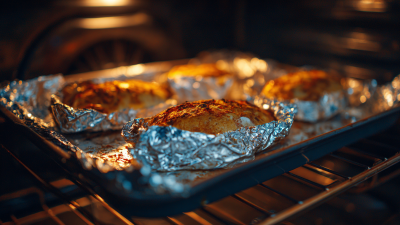
Aluminum foil is often overlooked in everyday cooking, but its versatility can truly transform your kitchen experience. One creative hack is using aluminum foil to line baking sheets and pans, making cleanup a breeze. This simple step can save you time after meals, allowing you to enjoy more moments around the table. Additionally, when cooking with an air fryer, aluminum foil can be shaped into cups or liners to catch drips and enhance airflow, maximizing the efficiency of your cooking process.
Another innovative kitchen tip involves using aluminum foil to prevent food from sticking. By tightly wrapping your vegetables or protein in foil before placing them on the grill or in the oven, you can ensure they remain moist and flavorful. Moreover, if you frequently face tangled rolls of foil, a quick and effective solution is to place a small binder clip at the end of the roll to keep it secure and tangle-free. These hacks not only simplify cooking and cleaning but also allow you to explore creative culinary methods with minimal effort.
2025 Top 10 Uses of Alu Foil: Unveiling Amazing Benefits and Tips
| Use |
Benefits |
Tips |
| Cooking & Baking |
Even heat distribution, reduces cooking time |
Use to line baking trays for easy cleanup |
| Food Storage |
Keeps food fresh, prevents freezer burn |
Wrap leftovers tightly to maximize freshness |
| Grilling |
Protects food from direct flames |
Create packets for veggies to retain moisture |
| Cleaning |
Eases scrubbing pots and pans |
Use crumpled foil to scrub dirty cookware |
| Crafting |
Versatile material for various crafts |
Great for making decorative items or sculptures |
| Reflecting Heat |
Helps in maintaining oven temperature |
Use inside an oven to enhance cooking efficiency |
| Blocking Odors |
Prevents cross-contamination of food smells |
Wrap strong smelling foods before refrigerating |
| Making Funnel |
Easy way to pour liquids without mess |
Shape a piece of foil into a funnel for pouring |
| Sealing |
Keeps foods safe from air and moisture |
Fold edges tightly when storing food |
| Sharpening Scissors |
Quick fix for dull scissors |
Cut through several layers of foil to sharpen |
Transforming Your Grilling Experience: Foil Techniques for Perfect Results
When it comes to grilling, aluminum foil can be a game-changer, elevating your culinary experience to new heights. One of the key techniques is using foil to create a barrier between direct heat and delicate foods. For instance, wrapping fish or vegetables in aluminum foil not only retains moisture but also infuses flavors as they steam in their own juices. This method ensures that even the most tender ingredients emerge perfectly cooked and bursting with taste, making it an essential tactic for any grill master.
Another effective technique involves using foil to make packets, allowing for easy cooking of mixed ingredients. By combining meats, spices, and vegetables in a foil packet, you can achieve a delicious meal with minimal cleanup. Simply place the packet on the grill, and let the heat work its magic. The enclosed environment traps steam, ensuring even cooking while preventing the loss of essential nutrients. This approach not only enhances the flavors but also simplifies meal prep and keeps your grill space organized, making it ideal for gatherings or family barbecues.
Eco-Friendly and Sustainable Uses of Aluminum Foil in Daily Life
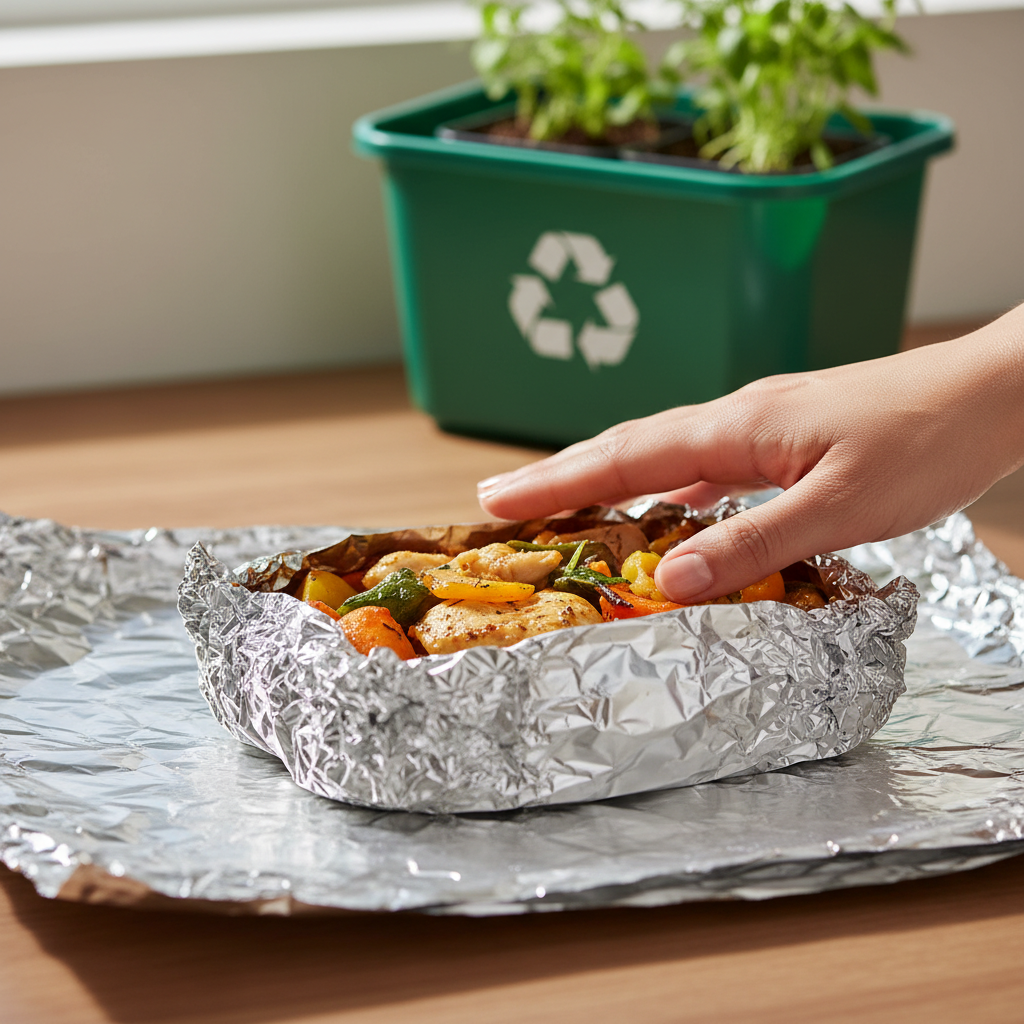
Aluminum foil, often overlooked in our kitchens, has emerged as a versatile and eco-friendly tool that can significantly enhance daily life. One of its most sustainable uses lies in food preservation. By wrapping leftovers in aluminum foil, not only do we prevent food waste, but we also keep our meals fresh longer. Unlike plastic wrap, aluminum foil is recyclable and can be reused multiple times, making it a responsible choice for environmentally conscious households.
Additionally, aluminum foil can be employed creatively to streamline various household tasks. For instance, using it as a makeshift funnel can eliminate mess during cooking or baking. Its reflective properties also make it an ideal material for insulation when covering windows in cold weather, enhancing energy efficiency. By embracing these innovative applications, we can maximize the benefits of aluminum foil, reducing our reliance on single-use plastics and promoting a more sustainable lifestyle. These practices not only contribute to a greener planet but also demonstrate the remarkable adaptability of a common household item.
Aluminum Foil in Crafting: Innovative Projects for Home Decor
Aluminum foil is often seen as a kitchen staple, but it also offers exciting opportunities for crafting
innovative home decor projects. Its versatility
and unique reflective qualities can be harnessed to create stunning decorations that enhance any space.
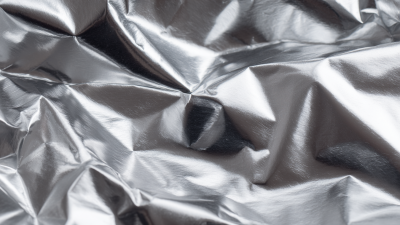
For instance, you can use aluminum foil to create sculptures, wall art, or even custom ornaments.
By manipulating the foil, you can achieve a variety of textures and finishes, making your home decor
truly one-of-a-kind.
When embarking on aluminum foil crafting, here are a few tips to keep in mind:
- First, always work on a clean, flat surface to ensure precision in your projects.
- Second, use a mix of crumpled and smooth foil to create depth and interest in your designs.
- Lastly, consider combining aluminum foil with other materials like paper or fabric for more
elaborate creations.
With these tips, you can unlock your creativity and turn everyday aluminum foil into beautiful pieces
of art that reflect your personal style.
Health and Safety Benefits: Why Aluminum Foil is a Kitchen Essential
Aluminum foil is more than just a simple kitchen wrap; it plays a crucial role in promoting health and safety in culinary practices. Its ability to create a barrier against moisture, light, and contaminants makes it an essential item for preserving food. By wrapping leftovers in aluminum foil, you can significantly extend their freshness and reduce the risk of foodborne illnesses. Additionally, aluminum foil's reflective nature helps in cooking processes, enabling even heat distribution, which is vital for thoroughly cooking meats and reducing exposure to harmful bacteria.
When using aluminum foil, there are a few tips to ensure you maximize its benefits. First, always use the dull side of the foil for food covering, as it’s better at keeping moisture in. Second, avoid wrapping acidic foods like tomatoes or citrus fruits directly in foil, as this can lead to a reaction that alters flavor and safety. Lastly, try to avoid using aluminum foil in the microwave unless specified safe, as it can cause sparks and damage.
Taking advantage of aluminum foil's versatility can transform your cooking and storage habits. From wrapping sandwiches for lunch to lining baking sheets, its uses are endless. Incorporating these health and safety tips into your kitchen routines can lead to a more efficient and safer cooking environment.
2025 Top 10 Uses of Aluminum Foil
This bar chart illustrates the top 10 uses of aluminum foil in 2025, showcasing how frequently each use is engaged in. Cooking and food storage dominate the list, reflecting aluminum foil's status as a kitchen essential.